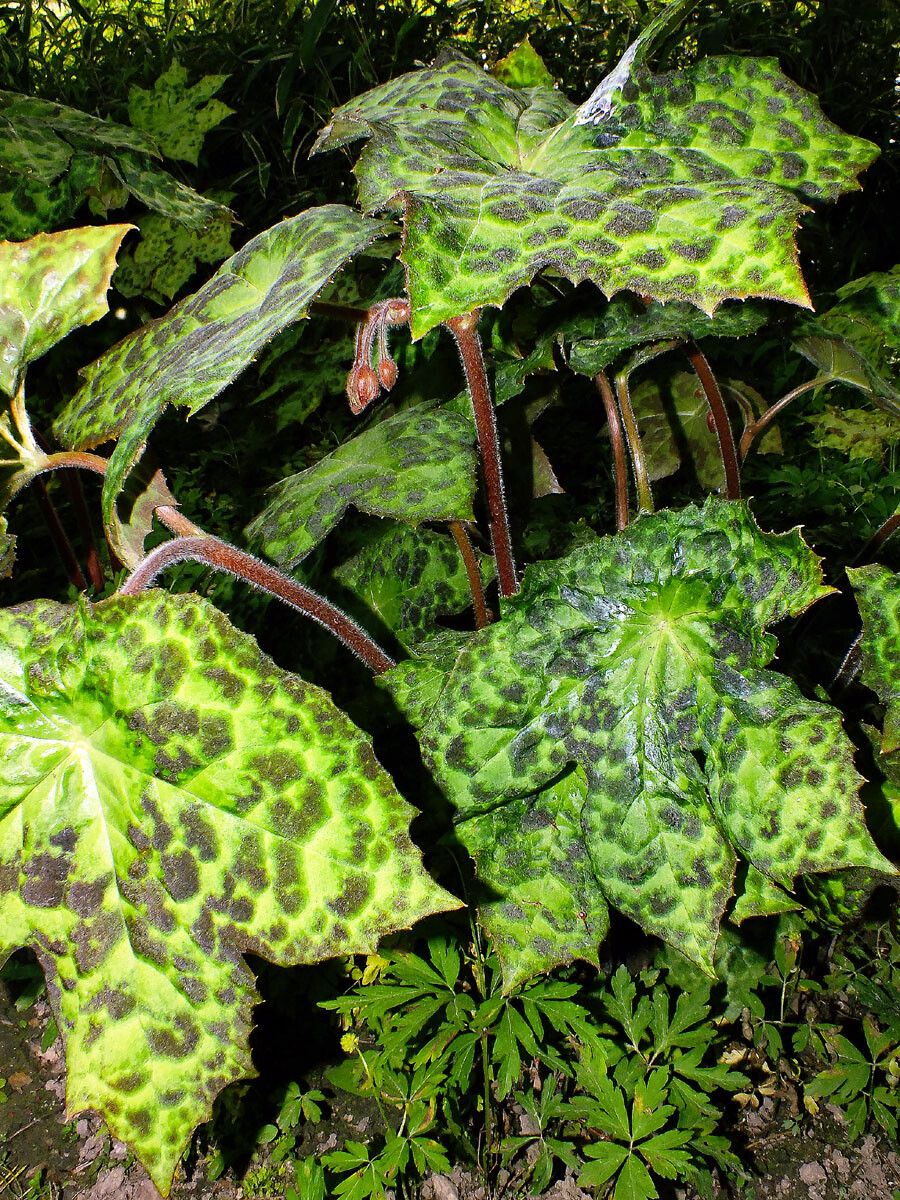
Hello fellow plant lovers! If you’ve ever admired the elegant, umbrella-like foliage and the intriguing, yet subtle, summer blooms of Podophyllum difforme, you’ve probably wondered if you could grow more of these beauties for yourself. Trust me, the satisfaction of nurturing a new plant from a piece of an old one is truly special. And guess what? While Podophyllum difforme isn’t a plant you can just toss a cutting into water and forget about, it’s definitely achievable with a little know-how and patience. It might be a touch challenging for an absolute beginner, but with this guide, you’ll be well on your way.
The Best Time to Start
For Podophyllum difforme, think late spring or early summer. This is when the plant is actively growing, and its energy is focused on new development. Trying to propagate when it’s dormant or stressed will likely lead to disappointment. You want to catch it at its peak!
Supplies You’ll Need
Here’s what you’ll want to have gathered before you begin:
- Sharp, clean pruning shears or a razor blade: Essential for making clean cuts.
- Well-draining potting mix: A good blend for woodland plants, or you can create your own with equal parts compost, perlite, and peat moss.
- Rooting hormone (optional but recommended): Helps give cuttings a strong start.
- Small pots or trays: With drainage holes, of course!
- Plastic bags or a propagation dome: To maintain humidity.
- Labels: To keep track of your efforts!
- Watering can with a fine rose: Gentle watering is key.
Propagation Methods
The most successful way to propagate Podophyllum difforme is through division, especially while you’re repotting or perhaps moving it to a slightly larger container.
- Gently unpot your established Podophyllum difforme plant. Be as kind to the roots as possible.
- Inspect the rhizome. You’re looking for natural breaks or sections that have their own distinct buds or growing points. The rhizome is the thick, creeping stem that grows horizontally underground.
- Carefully separate these sections. Use your sharp pruners to make a clean cut. You want to ensure each piece has at least one good bud and a decent amount of root attached. It’s better to have a slightly smaller piece with roots than a large piece with none.
- Let the cut end callus over. This is important to prevent rot. Leave the divided pieces in a dry, airy spot for a day or two until the cut surface feels dry to the touch.
- Pot up your divisions. Plant each section in its own small pot filled with your well-draining potting mix. Ensure the bud is just at or slightly below the soil surface. Don’t bury it too deep!
- Water lightly. You want the soil to be moist but not soggy.
- Create a humid environment. Cover the pot with a plastic bag or place it in a propagation dome. This will help keep moisture levels high, which is crucial for new root development.
The “Secret Sauce” (Pro Tips)
- Don’t rush the division. Sometimes, even experienced gardeners try to force a division that isn’t quite ready. Look for those clear growth points on the rhizome. If it’s all one solid mass, it’s probably best to wait another year.
- Give them a warm start. While Podophyllum difforme prefers cooler temperatures, new divisions appreciate a little warmth to encourage root formation. Placing them on a heat mat set to a low temperature (around 70°F or 21°C) can significantly speed up the process.
- Air circulation is your friend. That humidity dome is great, but you don’t want stagnant air. Open the dome or bag daily for a few minutes to allow for fresh air exchange and to prevent fungal issues.
Aftercare & Troubleshooting
Once you’ve potted up your divisions, keep them in a bright, indirect light location. Avoid direct sun, which can scorch delicate new growth. Keep the soil consistently but lightly moist.
The biggest enemy of new divisions is rot. If you notice the rhizome turning mushy and dark, or if the leaves yellow and wilt despite being consistently watered, it’s a sign of too much moisture. Sadly, if rot sets in, it’s often irreversible. The best way to prevent it is to ensure that excellent drainage and avoid overwatering. Patience is key here; it can take several weeks, sometimes even months, for the divisions to establish and show significant new growth. Don’t panic if you don’t see much happening immediately.
A Encouraging Closing
Propagating Podophyllum difforme is a journey, not a sprint. Enjoy the process of nurturing these unique plants. Be patient, observe your new divisions closely, and remember that even expert gardeners have their share of failures. Each attempt teaches us something new. Happy gardening!
Resource: