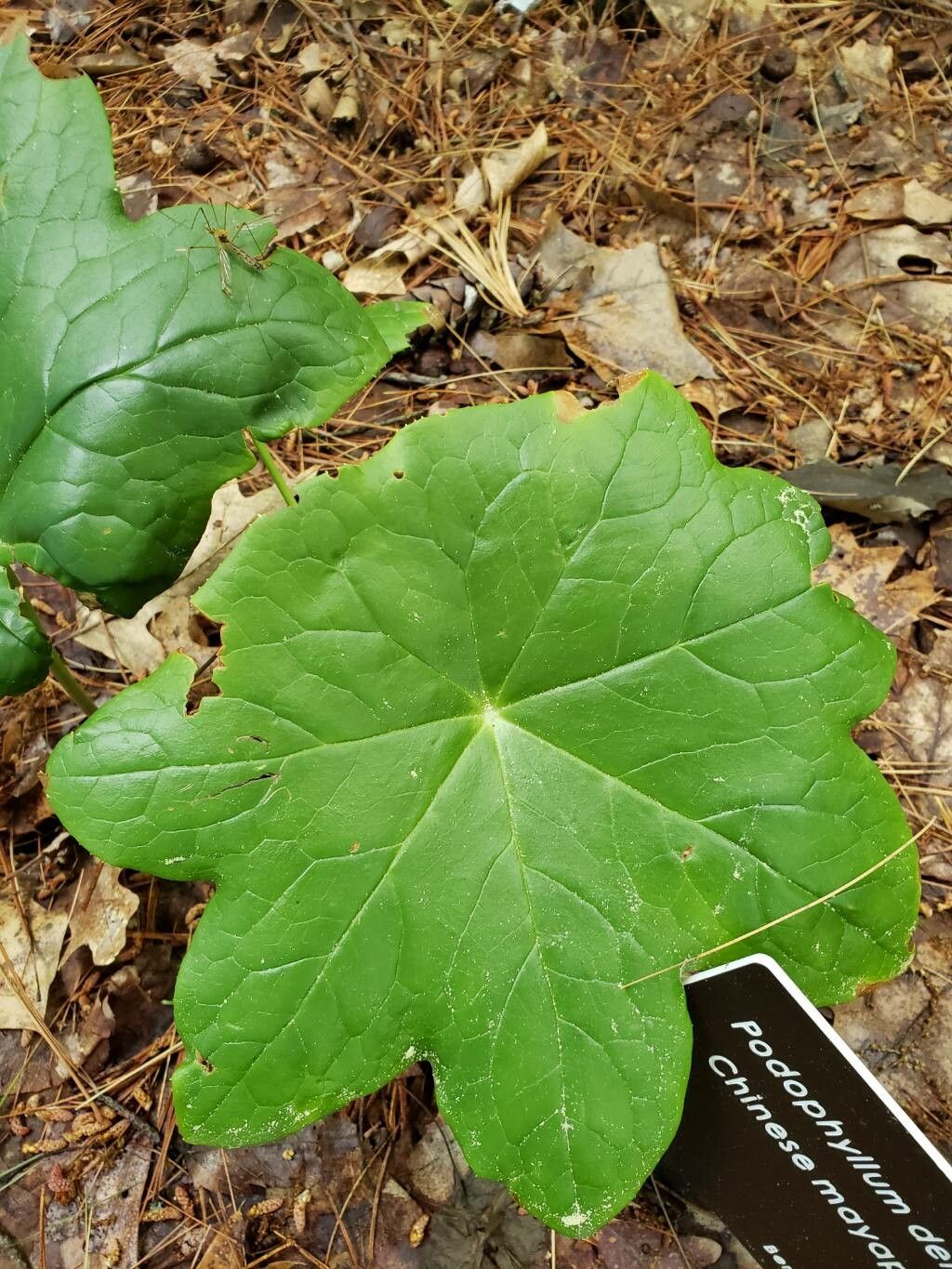
Oh, my dear readers, gather ‘round! Today, we’re diving into the enchanting world of Podophyllum delavayi, sometimes called the Chinese Mayapple. If you’re anything like me, you’ve probably swooned over those magnificent, umbrella-like leaves and the delicate, nodding flowers that peek out from beneath them. It’s a true woodland gem, and the satisfaction of coaxing a new plant into being from an existing one? Pure gardening bliss. Now, I won’t lie to you – Podophyllum delavayi can be a bit of a diva. It’s not the easiest plant for a complete beginner, but with a little patience and the right approach, you’ll be rewarded with a stunning new specimen.
The Best Time to Start
For Podophyllum delavayi, the absolute sweet spot for propagation is spring, just as the plant is waking up from its winter slumber. You’ll see new growth emerging, and the plant has plenty of energy to spare for making more of itself. Trying to propagate when the plant is dormant or in the heat of summer can lead to disappointment.
Supplies You’ll Need
To embark on this propagation adventure, you’ll want to have these bits and bobs ready:
- Sharp, clean pruning shears or a sharp knife: For making clean cuts.
- A well-draining potting mix: I like to use a blend of peat moss, perlite, and compost. If you can find a specific mix for woodland plants, even better!
- Small pots or containers: Terracotta pots are lovely as they allow the soil to breathe.
- Rooting hormone (optional but recommended): For an extra boost.
- A mister bottle: For keeping things gently moist.
- A shadowy, protected spot: To place your new propagations.
Propagation Methods
The most successful way to propagate Podophyllum delavayi is through division. These plants form rhizomes, which are underground stems, and these are what we’ll be working with.
- Gently Excavate: In early spring, carefully dig around the base of your established Podophyllum delavayi plant. You want to expose the rhizomes without damaging them too much. Think of it as uncovering a treasure!
- Inspect the Rhizomes: Look for healthy, fleshy rhizomes. You’ll want to see at least one “eye” or bud on each division you plan to make. These are the bits that will sprout new growth.
- Make the Cut: Using your clean pruning shears or knife, carefully divide the rhizomes. Make sure each piece has at least one eye. It’s better to have smaller, healthy divisions than large ones that are struggling.
- Apply Rooting Hormone (Optional): If you’re using rooting hormone, dip the cut end of each rhizome into it. This can help encourage root development.
- Plant Them Up: Fill your small pots with your prepared potting mix. Plant each rhizome division about an inch deep, making sure the eye is pointing upwards.
- Water Gently: Water the soil thoroughly but avoid waterlogging. We want the soil to be consistently moist, not soggy.
The “Secret Sauce” (Pro Tips)
Here are a couple of things I’ve learned over the years that really make a difference:
- Think “Woodland Floor”: These plants love shade and humidity. Once your divisions are potted, find them a spot that mimics their natural habitat – cool, dappled shade. Avoid direct sun at all costs!
- Patience is Key (and Mulch!): Podophyllum delavayi rhizomes can be a bit slow to wake up. Don’t be discouraged if you don’t see immediate growth. A light layer of mulch on top of the soil can help retain moisture and create a cozy environment for the rhizomes.
Aftercare & Troubleshooting
Once your new Podophyllum delavayi divisions are happily settled, the aftercare is straightforward.
- Keep them Moist: Water regularly, but always check the soil moisture first. Stick your finger about an inch down; if it feels dry, it’s time to water.
- Watch for Rot: The biggest enemy of divisions is rot, which happens when the soil stays too wet. If you see your rhizome turning mushy and brown, it’s likely too much moisture. You might be able to save it by letting the soil dry out and removing any rotten bits.
- Signs of Success: The most exciting sign of success? A tiny new sprout emerging from the soil! You’ll also start to see the development of new roots when you gently check the pot.
So there you have it! Propagating Podophyllum delavayi is a journey that requires a little more finesse, but the reward of seeing those beautiful leaves unfurl from a plant you grew yourself is truly special. Be patient, trust the process, and enjoy the magic of bringing new life into your garden. Happy growing!
Resource:
https://identify.plantnet.org/k-world-flora/species/Podophyllum%20delavayi%20Franch./data