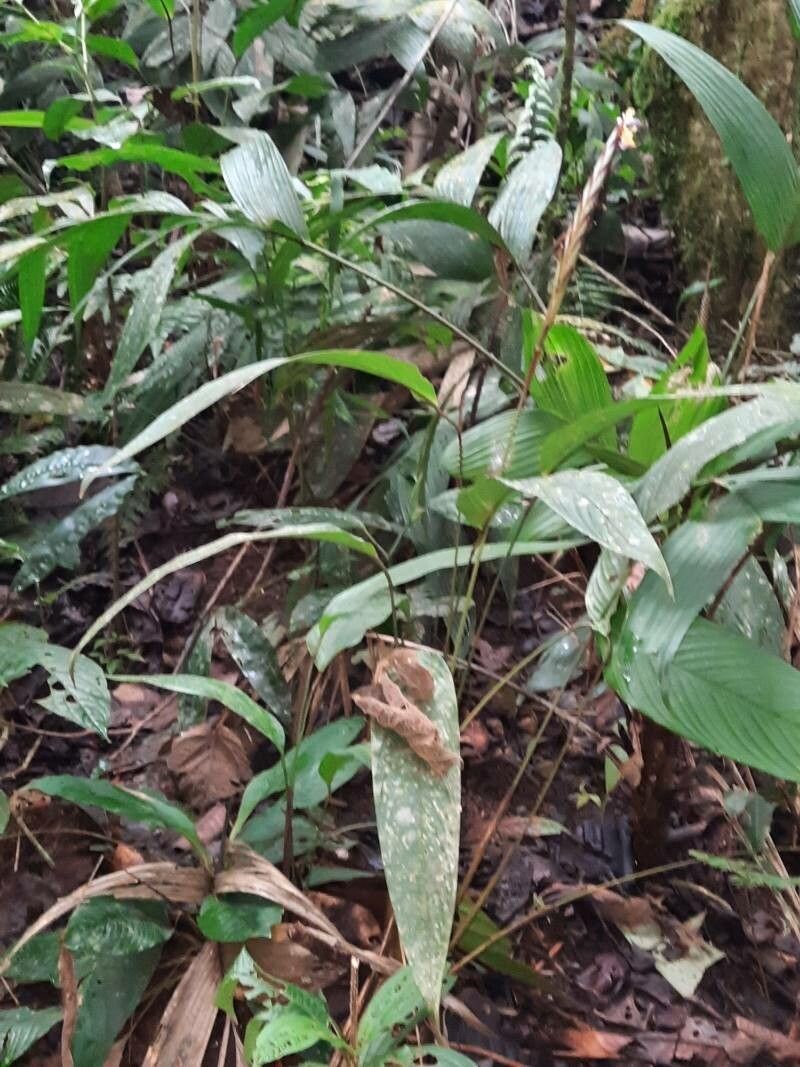
Hey there, fellow plant lovers! Today, we’re diving into the wonderful world of Pleiostachya leiostachya. If you’ve ever seen this beauty with its striking foliage and elegant form, you know exactly why it’s such a sought-after specimen. Those deep green leaves, often with a subtle sheen, bring an instant touch of the tropics to any space. And the best part? You can easily multiply this gorgeous plant yourself. Propagating Pleiostachya leiostachya is a really rewarding process, and I’m excited to guide you through it. For beginners, it’s not overly tricky, which is fantastic news! You’ll get the hang of it in no time.
The Best Time to Start
When it comes to getting your cuttings to root, timing is everything. I find that the spring and early summer months, when the plant is actively growing, offer the best chance of success. You want to take cuttings when the plant is vigorous and putting out new growth. Avoid taking cuttings from stressed or dormant plants – they just won’t have the energy to put into developing new roots.
Supplies You’ll Need
Here’s what you’ll want to have on hand before you get started:
- Sharp, clean pruning shears or a knife: Sterilize them with rubbing alcohol to prevent disease.
- Rooting hormone (optional but recommended): It can give your cuttings a helpful boost.
- A well-draining potting mix: I like a blend of perlite, peat moss, and a bit of compost. For Pleiostachya, something airy is key.
- Small pots or propagation trays: Make sure they have drainage holes!
- A plastic bag or clear dome: To create a humid environment.
- Water: For watering and potentially for water propagation.
- A spray bottle: For misting your cuttings.
Propagation Methods
Pleiostachya leiostachya is quite forgiving, and I’ve had success with a couple of methods.
Division
This is often the easiest and most direct way to propagate Pleiostachya leiostachya, especially if your plant has started to clump up.
- Gently remove the plant from its pot. Turn it on its side and ease it out. If it’s stuck, a gentle tap around the rim of the pot usually does the trick.
- Inspect the root ball. Look for natural divisions where the plant has created separate crowns.
- Carefully separate the divisions. You can often do this by hand, gently teasing the roots apart. If it’s a bit tough, use your clean knife or pruning shears to cut through the roots. Make sure each division has some healthy roots and at least one or two leafy shoots.
- Pot up the new divisions. Use your well-draining potting mix in clean pots. Water them in thoroughly.
- Place them in a bright spot with indirect light. Keep the soil consistently moist but not waterlogged.
Stem Cuttings
This method requires a bit more patience, but it’s incredibly satisfying when you see those roots form.
- Select a healthy stem. Look for an active, non-flowering stem that is about 4-6 inches long.
- Make a clean cut just below a leaf node, which is where the leaf stem meets the main stem.
- Remove the lower leaves. Leave just a couple of leaves at the top to help with photosynthesis.
- Dip the cut end in rooting hormone (if using). Tap off any excess.
- Insert the cutting into your prepared potting mix. Make a little hole with your finger or a pencil to avoid rubbing off the rooting hormone. Gently firm the soil around the stem.
- Water thoroughly to settle the soil.
- Create a humid environment. Cover the pot with a plastic bag (propped up so it doesn’t touch the leaves) or a clear propagation dome.
- Place in bright, indirect light. Keep the soil consistently moist. You can mist the leaves occasionally with your spray bottle.
The “Secret Sauce” (Pro Tips)
Now, here are a couple of things I’ve learned over the years that really make a difference:
- Avoid direct water contact for cuttings. If you choose to root in water (which I tend to do less for Pleiostachya than other plants), ensure no leaves are submerged. Leaves in water are a fast track to rot. Only the stem should be in the water.
- Bottom heat is your friend! If you have a heated propagation mat, placing your pots on it can significantly speed up root development. It mimics the warmth of spring soil and provides a gentle, consistent warmth that cuttings love. It’s a real game-changer, especially if your home tends to be on the cooler side.
Aftercare & Troubleshooting
Once you start to see new leaves emerging or feel some gentle resistance when you tug lightly on the cutting, it’s a good sign roots have formed.
- Gradually acclimate your new plants. If you’ve been using a plastic bag, start by removing it for a few hours each day, then leave it off entirely.
- Continue to water consistently. Keep the soil moist but not soggy.
- Signs of trouble include wilting that doesn’t improve even after watering, yellowing leaves, or mushy stems. This often indicates overwatering or rot. If you see rot, act fast. You might be able to salvage a healthy piece of stem by cutting above the rotted area and trying again. A bit of antifungal spray can sometimes help too, but prevention is definitely better than cure!
A Encouraging Closing
Propagating plants is a journey, and each success is a little victory worth celebrating. Don’t get discouraged if a cutting doesn’t make it – that’s part of the learning curve! Be patient, observe your new plants, and enjoy the magic of watching them grow. Happy propagating!
Resource: