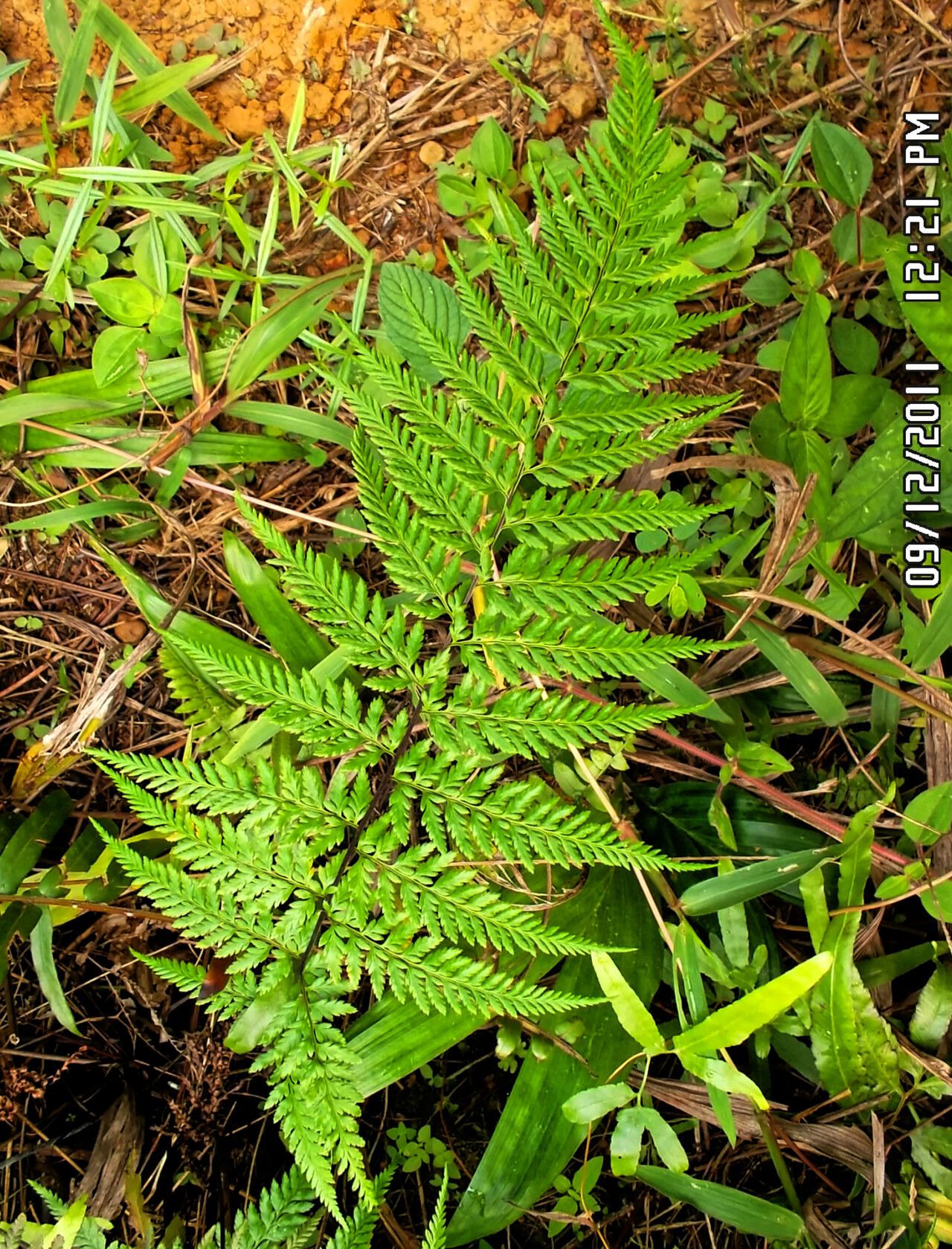
Oh, the Silver Lace Fern! Pityrogramma calomelanos. If you’ve ever seen one of these beauties, you know exactly what I’m talking about. Their fronds are an absolute spectacle, dusted underneath with this shimmering, powdery silver that looks like they’ve been dipped in moonlight. They bring such an ethereal charm to a shady corner, whether it’s in a pot on your patio or nestled in a woodland garden.
And you know what’s even more rewarding than admiring one? Growing your own! Propagating this fern is a truly satisfying endeavor. Now, I won’t lie to you; while not impossibly difficult, Pityrogramma calomelanos can be a tad fussier than your average houseplant. It’s less of a “throw it in any old pot and forget about it” kind of plant, and more of a “pay attention to its needs” scenario. But don’t let that deter you! With a little guidance and a dash of patience, you’ll be well on your way to success.
The Best Time to Start
For the highest success rate, I always recommend propagating Pityrogramma calomelanos during its active growth period. This typically means spring and early summer. The plant is brimming with energy, pushing out new fronds, and has more reserves to put into developing roots. You can often find the most vigorous and healthy growth to work with during these warmer months. Attempting propagation when the plant is dormant, like in the dead of winter, will likely yield disappointing results.
Supplies You’ll Need
Gathering your tools and materials beforehand makes the whole process much smoother. Here’s what I usually have on hand:
- Sterilized potting mix: A good blend for ferns is key. I like to use a mix of peat moss, perlite, and a bit of coarse sand. This gives excellent drainage and aeration.
- Sharp, sterilized pruning shears or a clean knife: For making those precise cuts.
- Small pots or propagation trays: Clean plastic or terracotta pots work well.
- Clear plastic bags or a propagation dome: To create a humid environment.
- Rooting hormone (optional but recommended for cuttings): A powder or gel will do.
- Spray bottle filled with clean water: For misting.
- Labels and a marker: To keep track of your attempts!
Propagation Methods
There are a couple of ways to go about this, but my favorite and often most successful method for Pityrogramma calomelanos is through division.
Division: The Most Reliable Path
This is hands-down the most foolproof way to get new plants. You’re essentially separating a mature plant into smaller, viable sections.
- Gently unpot your mature fern. Try to loosen the soil around the root ball without damaging the roots too much.
- Examine the root structure. You’re looking for natural breaks or growth points. You’ll often see distinct crowns or rhizomes that can be separated.
- Carefully divide the plant. You can use your hands to gently pull sections apart, or if it’s too tightly bound, use your sterilized knife or shears to make a clean cut. Aim to ensure each division has both roots and some leafy growth (a frond or two).
- Pot up the divisions. Plant each section into its own small pot filled with your prepared potting mix. Make sure the crown (where the fronds emerge) is at or just slightly above the soil surface.
- Water thoroughly. Water until you see it draining from the bottom of the pot.
The “Secret Sauce” (Pro Tips)
Now, for a couple of insider tricks that have really helped me boost my propagation success rates:
- Don’t let those delicate new fronds (fiddleheads) touch the water. If you’re trying water propagation for a specific part of a rhizome, be super careful. The fiddleheads are tender and prone to rot if they sit in stagnant water. They need air circulation! This is also why drainage is so important in your soil mix for divisions.
- Think “tropical greenhouse” with bottom heat. Ferns absolutely adore warmth. Placing your pots on a heat mat designed for plant propagation can significantly speed up root development, especially if your home is a bit on the cooler side. It mimics that lovely warm, humid jungle floor they love.
Aftercare & Troubleshooting
Once your divisions are potted up, the real nurturing begins!
- Maintain humidity. Cover the pots with clear plastic bags or a propagation dome. This creates that humid microclimate they crave, preventing the new cuttings from drying out before they can establish roots. Make sure to open the bag daily for a few minutes to allow for air circulation and prevent fungal issues.
- Provide bright, indirect light. No direct sun for these guys! They burn easily. A bright window that doesn’t get direct sun, or a spot under grow lights, is perfect.
- Keep the soil consistently moist, but not waterlogged. This is where that excellent drainage really pays off. Check the soil moisture every few days by sticking your finger about an inch down.
- Be patient! Roots can take anywhere from a few weeks to a couple of months to develop. You’ll know they’re ready when you see new ferny growth emerging and the plant feels a bit more firmly rooted in its pot.
Troubleshooting Common Issues:
- Yellowing leaves or wilting: This is often a sign of underwatering or too much direct light. Check your watering schedule and move the plant to a shadier spot.
- Mushy stems or blackening at the soil line: This is almost always root rot, caused by overwatering and poor drainage. If you catch it early, you might be able to scoop out the rotted parts, let the remaining section dry out a bit, and repot in fresh, well-draining soil. Sadly, once rot sets in, it can be hard to recover.
- No new growth after a long time: This can be due to insufficient warmth, lack of humidity, or simply that the division wasn’t viable. Don’t despair! Sometimes it just takes a little longer.
A Word of Encouragement
Growing new plants, especially those with a bit of a unique personality like our Silver Lace Fern, is a journey. There will be successes, and there might be a few stumbles along the way. Each attempt teaches you something new. So, take a deep breath, enjoy the process of nurturing these delicate beginnings, and celebrate every tiny frond that unfurls. Happy propagating!
Resource:
https://identify.plantnet.org/k-world-flora/species/Pityrogramma%20calomelanos%20(L.)%20Link/data