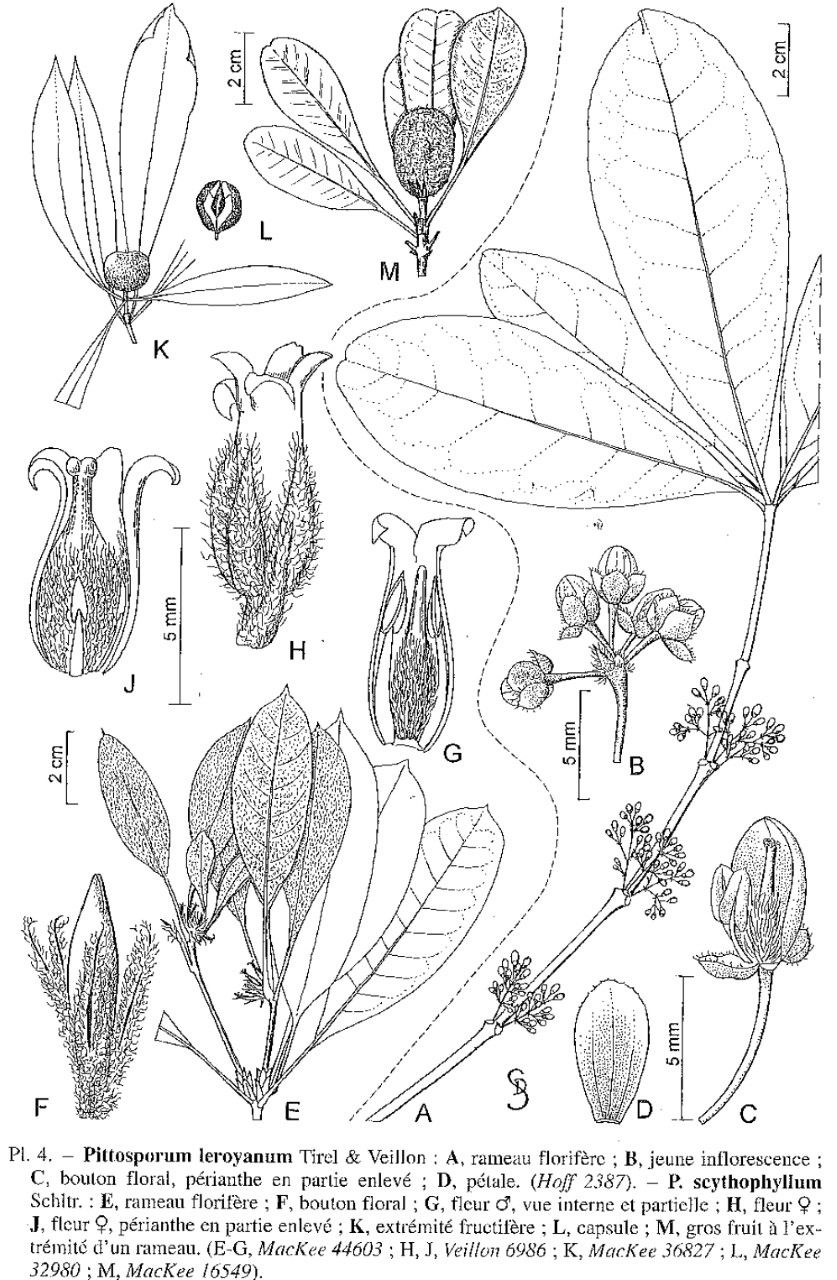
Oh, Pittosporum leroyanum! Isn’t it just a dream? With its glossy, leathery leaves and that lovely, subtle fragrance that wafts through the garden on a warm evening, it’s truly a plant that brings a touch of understated elegance. I’ve had it in my own garden for years, and every time I see a new shoot emerge, or manage to coax a cutting to develop roots, I feel that same little thrill of accomplishment. You might be wondering if this beauty is for the faint of heart when it comes to propagation. Honestly, I’d say it leans towards being fairly beginner-friendly. With a few key practices, you’ll be well on your way to filling your garden, or sharing with friends!
The Best Time to Start
For Pittosporum leroyanum, I find that late spring to mid-summer is your golden window. This is when the plant is actively growing, and those semi-hardwood cuttings – meaning bits that are no longer brand new and floppy but not yet woody and tough – have the best chance of taking off. You want to avoid taking cuttings when the plant is either stressed from extreme heat or is dormant in winter. Think of it like this: you’re catching the plant at its most vigorous!
Supplies You’ll Need
Gathering your tools beforehand makes the whole process much smoother. Here’s what I always have on hand:
- Sharp Pruning Shears or a Knife: Cleanliness is paramount to prevent disease.
- Rooting Hormone: A powder or gel works wonderfully. It gives your cuttings a real boost.
- Rooting Medium: I prefer a well-draining mix. A good blend is equal parts perlite and peat moss or coco coir. Some growers like a bit of coarse sand mixed in too.
- Small Pots or Trays: Clean pots are a must! 3-4 inch pots usually do the trick.
- Plastic Bags or a Propagation Dome: To create a humid environment.
- Watering Can with a Fine Rose: For gentle watering.
- Optional: Bottom Heat Mat: This can really speed things up, especially if your home is a bit cooler.
Propagation Methods: Stem Cuttings
This is hands-down my favorite and the most reliable method for Pittosporum leroyanum.
- Take Your Cuttings: With your clean shears, select healthy, non-flowering stems from your mature plant. Aim for cuttings that are about 4 to 6 inches long. Make a clean cut just below a leaf node (the point where a leaf attaches to the stem). These nodes are where roots typically emerge.
- Prepare the Cuttings: Gently remove the lower leaves from the cutting. You want to leave about 2-3 leaves at the top. This reduces moisture loss and prevents leaves from rotting when they’re buried in the soil. If the remaining leaves are very large, you can even cut them in half horizontally to further minimize water loss.
- Apply Rooting Hormone: Dip the cut end of the stem into your rooting hormone, tapping off any excess. Make sure the entire cut surface is covered.
- Plant Your Cuttings: Moisten your rooting medium in the pots. Make a small hole in the center with a pencil or your finger. Insert the cutting into the hole, ensuring the hormone-coated end is well within the soil. Firm the medium gently around the stem to ensure good contact.
- Create a Humid Environment: Water the pots gently. Then, cover each pot with a clear plastic bag, using stakes to keep the bag from touching the leaves. Alternatively, place them in a propagation tray with a clear lid. The goal is to trap humidity around the cuttings.
The “Secret Sauce” (Pro Tips!)
These are a few little tricks I’ve learned over the years that make a world of difference:
- Scrape a little bark: Before dipping in rooting hormone, take your knife and very lightly scrape away a thin sliver of bark from the bottom inch of the stem. This exposes the cambium layer, which can actually encourage faster and more vigorous root development. Don’t go too deep; just a gentle scrape is all you need.
- Bottom Heat is a Game Changer: If you can, use a bottom heat mat. Pittosporum roots love warmth, and having the soil consistently around 70-75°F (21-24°C) will significantly speed up root formation. I find it makes a noticeable difference, especially in cooler periods.
- Sterilize Everything: I know I mentioned clean shears, but I can’t stress this enough. Sterilize your pots, your tools, and even your rooting medium if you’re concerned about fungal issues. A dilute bleach solution or even just hot soapy water can work wonders. Prevention is truly the best medicine in the propagation world!
Aftercare & Troubleshooting
Once your cuttings are planted, place them in a bright spot out of direct sunlight. Keep the rooting medium consistently moist but not soggy. This is key! You want that humid environment we talked about.
You’ll know your cuttings have taken when you see new leaf growth or feel a gentle resistance when you tug lightly on the stem. This usually takes anywhere from 4 to 8 weeks, sometimes longer.
The most common issue you might encounter is rot. This usually happens if the soil stays too wet or if there isn’t enough air circulation. If you see a cutting turning black and mushy, it’s unfortunately a goner. Remove it immediately to prevent it from affecting others. Sometimes, cuttings just don’t root, and that’s okay too! For whatever reason, some just won’t make it. Don’t get discouraged!
A Encouraging Closing
Propagating plants is such a rewarding journey, and Pittosporum leroyanum is a lovely specimen to practice on. Be patient with yourself and your little green charges. Enjoy the process of nurturing something new from a tiny stem. You’re quite literally creating life, and that’s about as magical as it gets. Happy gardening!
Resource: