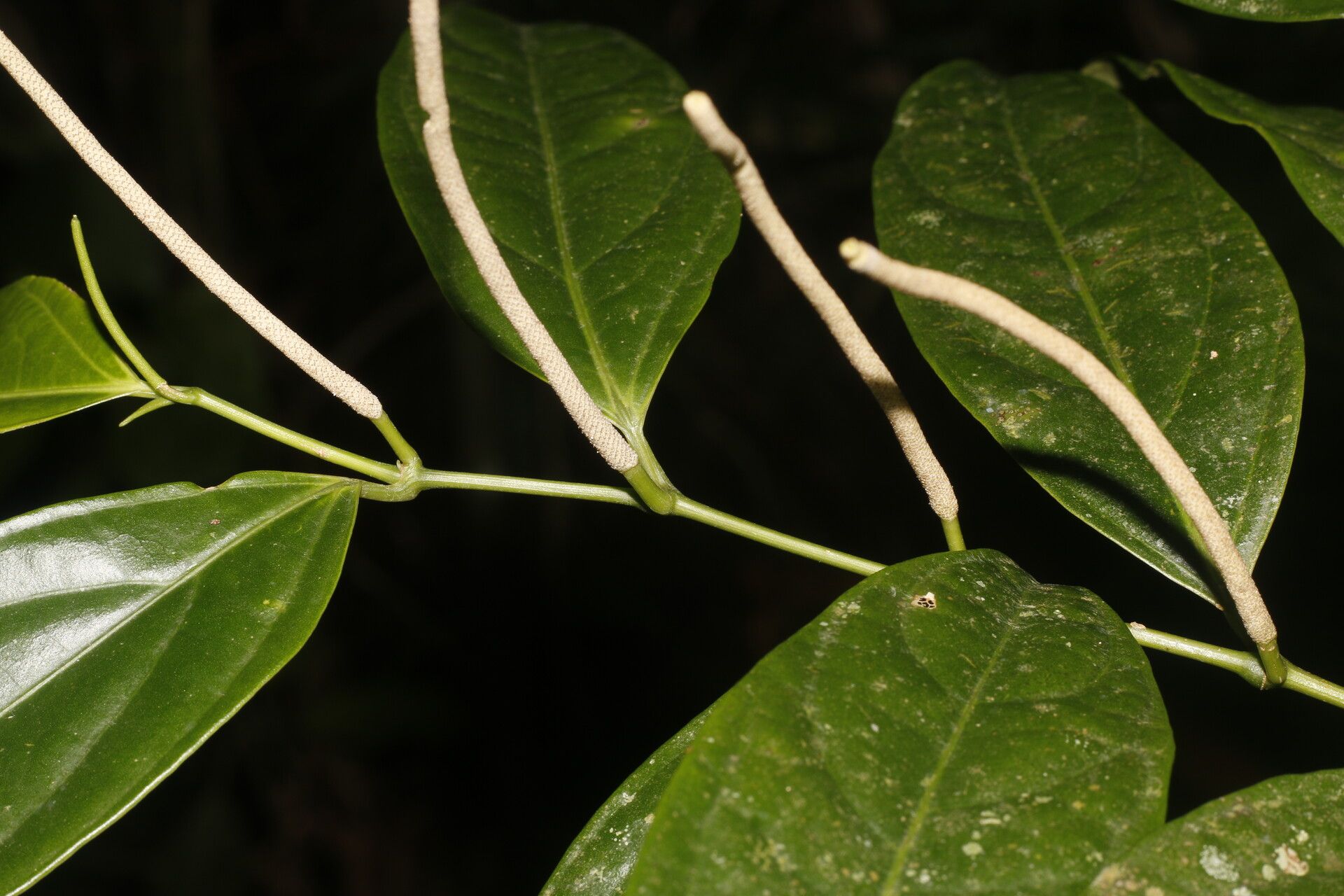
Oh, Piper concinnifolium! If you’ve ever fallen for its beautiful, heart-shaped leaves and the subtle elegance it brings to a shady corner, you’re not alone. It’s a truly captivating plant, and there’s a special kind of joy in coaxing a whole new life from just a tiny piece of an existing one. I’ve been growing these for years, and trust me, propagating Piper concinnifolium can be a wonderfully rewarding experience. For those just starting out, I’d say it’s moderately easy – with a little patience and the right approach, you’ll be well on your way.
The Best Time to Start
For the highest success rate, I always recommend beginning your propagation efforts during the active growing season. Think late spring through summer. This is when the plant has plenty of energy stored up, and the warmer temperatures and longer daylight hours really encourage new growth and root formation. Trying this in the dead of winter is a recipe for disappointment!
Supplies You’ll Need
Gathering your tools beforehand makes the whole process smoother. Here’s what I keep on hand:
- Sharp, clean pruning shears or a sharp knife: For making clean cuts.
- Well-draining potting mix: A good blend of peat moss, perlite, and a bit of compost works wonders. You can also buy specific “seed starting” or “cutting” mixes.
- Small pots or trays: Clean ones are crucial to prevent disease.
- Perlite or coarse sand: To improve drainage if you’re mixing your own soil.
- Rooting hormone (optional but recommended): A powder or gel can significantly speed up root development.
- Clear plastic bag or small cloche: To create a humid environment.
- Watering can with a fine rose or mister: For gentle watering.
- Labels and a marker: To keep track of what you’ve propagated!
Propagation Methods
The most reliable way I’ve found to multiply my Piper concinnifolium is through stem cuttings. It’s straightforward and usually gives me great results.
**Stem Cuttings:
- Select a healthy stem: Look for a mature, but not woody, stem on your parent plant. You want a stem that has developed strong leaves but isn’t too old and stiff.
- Make the cut: Using your sharp shears or knife, cut a piece of stem about 4-6 inches long. Make the cut just below a leaf node (where a leaf attaches to the stem). This is where the magic happens in terms of root development.
- Prepare the cutting: Gently remove the leaves from the bottom half of the cutting. You can leave the top couple of leaves intact. If the remaining leaves are very large, you can cut them in half horizontally to reduce water loss.
- Dip in rooting hormone (optional): If you’re using rooting hormone, dip the cut end into the powder or gel. Tap off any excess.
- Plant the cutting: Fill your small pot with your prepared potting mix. Make a small hole in the center with your finger or a pencil. Gently insert the cut end of the stem into the hole, ensuring the leaf nodes you removed are below the soil surface.
- Firm the soil: Gently press the soil around the cutting to secure it.
- Water gently: Water thoroughly but gently, allowing excess water to drain away.
- Create humidity: Cover the pot with a clear plastic bag or cloche. You can use stakes to keep the bag from touching the leaves. This will trap moisture and create the humid environment that cuttings love. Place the pot in a warm spot with bright, indirect light.
The “Secret Sauce” (Pro Tips)
After years of nudging these plants along, I’ve picked up a few tricks:
- Never let the leaves touch the water! If you decide to try water propagation (which is less reliable for Piper concinnifolium in my experience, but some people do it), make sure the cut end is in the water, but no leaves are submerged. Rot is the enemy here.
- Bottom heat is your friend: If you have a propagation mat or can place your pots on a warm windowsill, the gentle warmth from below can dramatically speed up root formation. Don’t let it get too hot, though – too much heat will cook your cuttings!
- Cleanliness is paramount: I can’t stress this enough. Always use clean pots and clean tools. A little bit of mold or bacteria can quickly doom your precious cuttings.
Aftercare & Troubleshooting
Once you’ve got your cuttings planted, patience is key. You’re looking for signs of new growth, which usually indicates that roots have formed. This can take anywhere from a few weeks to a couple of months.
If you see wilting and browning leaves, it could be a sign of dehydration or too much direct sun. Ensure the soil stays consistently moist (not soggy!) and give them good indirect light.
The biggest problem I see is rot. If your cutting turns mushy and black, it’s likely rotted. This usually happens from too much moisture and poor air circulation. If you notice this, sadly, it’s time to start again. Make sure your potting mix is nice and airy, and gently lift the plastic bag for a few minutes daily to allow for some air exchange.
A Encouraging Closing
Growing new plants from cuttings is a beautiful testament to nature’s resilience. Don’t be discouraged if your first few attempts aren’t perfect. Every gardener has lost cuttings! Just keep trying, observe your plants, and learn from each experience. The reward of seeing those tiny new roots emerge and eventually nurturing them into a full-fledged plant is truly worth it. Happy propagating!
Resource:
https://identify.plantnet.org/k-world-flora/species/Piper%20concinnifolium%20Trel./data