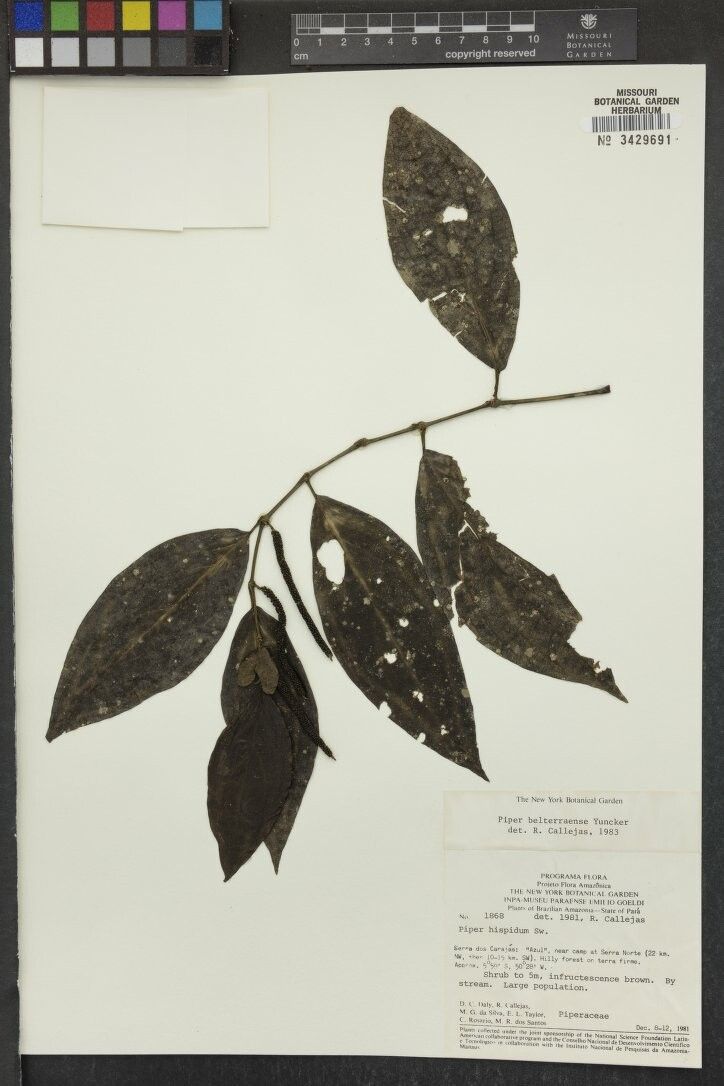
Hello fellow plant lovers! Today, we’re diving into the wonderful world of Piper betle-like plants, specifically the gorgeous Piper belterraense. If you haven’t had the pleasure, imagine glossy, heart-shaped leaves with striking patterns, bringing a touch of the exotic to any indoor jungle. Propagating them yourself is incredibly rewarding; it’s like creating your own personal botanical garden, one leaf at a time! Now, don’t let the “tropical” sound of its name spook you. Piper belterraense is quite forgiving, making it a fantastic plant for even curious beginners.
The Best Time to Start
When it comes to nurseries, I’ve found my highest success rates in the spring and early summer. This is when the plant is actively growing, happy, and full of vigor. You’ll want to take cuttings from healthy, new growth – think stems that are firm but not woody. Avoid taking cuttings from a plant that’s stressed or hasn’t been watered for a while.
Supplies You’ll Need
Gathering your tools beforehand makes the process so much smoother. Here’s what I always have on hand:
- Sharp pruning shears or a clean knife: Essential for making clean cuts.
- Rooting hormone powder (optional but recommended): Helps boost root development.
- Well-draining potting mix: A good blend of peat moss, perlite, and a bit of bark works wonders.
- Small pots or containers: For your new cuttings.
- Plastic bag or propagation dome: To create a humid environment.
- Water: Clean, room-temperature water.
- Small spray bottle: For misting.
Propagation Methods
There are a couple of ways to go about this, and both are quite effective for Piper belterraense.
Stem Cuttings
This is my go-to method for this plant.
- Select a healthy stem: Look for a piece of stem that has at least two to three sets of leaves.
- Make the cut: Using your sharp shears or knife, carefully cut the stem an inch or so below a leaf node (where the leaf meets the stem).
- Prepare the cutting: Remove the lower leaves, leaving just one or two at the top. If the leaves are very large, you can even cut them in half to reduce water loss.
- Apply rooting hormone (optional): Dip the cut end into your rooting hormone powder. Tap off any excess.
- Plant the cutting: Fill your small pot with your well-draining mix and moisten it lightly. Make a small hole in the center and insert the cutting. Gently firm the soil around it.
- Create humidity: You can cover the pot with a clear plastic bag or place it under a propagation dome. Make sure the plastic doesn’t touch the leaves directly if possible.
- Provide warmth and light: Place the pot in a bright spot but out of direct sunlight.
Water Propagation
This is a really visual method and satisfying to watch!
- Take your cutting: Follow steps 1-3 from the stem cutting method.
- Place in water: Fill a small jar or glass with clean, room-temperature water. Submerge the cut end of the stem, ensuring the leaf nodes are underwater but that the remaining leaves stay above the water line.
- Change water regularly: Refresh the water every couple of days to keep it clean and oxygenated.
- Find a bright spot: Place the jar in a bright location, away from direct sun.
- Wait for roots: You should start seeing roots emerge from the nodes in a few weeks.
The “Secret Sauce” (Pro Tips)
Here are a few tricks I’ve picked up over the years that can really make a difference:
- Don’t let the leaves touch the water: This is crucial for water propagation! If the leaves are submerged, they’re more likely to rot and invite fungal issues.
- Bottom heat is your friend: If you’re struggling with getting cuttings to root, especially in cooler months, consider using a seedling heat mat. It provides gentle warmth to the soil, encouraging root development significantly.
- Mist, don’t soak: While humidity is key, overwatering the soil surface of stem cuttings can lead to rot. A light misting of the leaves and the soil is usually sufficient.
Aftercare & Troubleshooting
Once you see new growth and a healthy root system emerging (you can gently tug on a cutting to feel resistance if it’s in soil), it’s time for a bit more care.
- For soil cuttings: Gradually acclimate your new plant to lower humidity by slowly opening the plastic bag or dome over a week or two. Continue to water when the top inch of soil feels dry.
- For water cuttings: Once the roots are a couple of inches long, you can carefully transplant them into your well-draining potting mix. Water gently after planting and try to maintain good humidity for the first week.
The most common issue you might encounter is rot. This usually happens when cuttings are kept too wet. You might see black, mushy stems or leaves that yellow and drop off. If you spot rot, act fast. For soil cuttings, you can try repotting in fresh, dry mix. For water cuttings, start over with a fresh cutting in clean water. Don’t be discouraged if a few don’t make it; it’s all part of the learning process!
A Encouraging Closing
So there you have it! Propagating Piper belterraense is a beautiful journey. Be patient, observe your cuttings, and celebrate every tiny sign of new life. Enjoy the process, and before you know it, you’ll have a whole collection of these stunning plants to share with friends – or keep all to yourself! Happy growing!
Resource:
https://identify.plantnet.org/k-world-flora/species/Piper%20belterraense%20Yunck./data