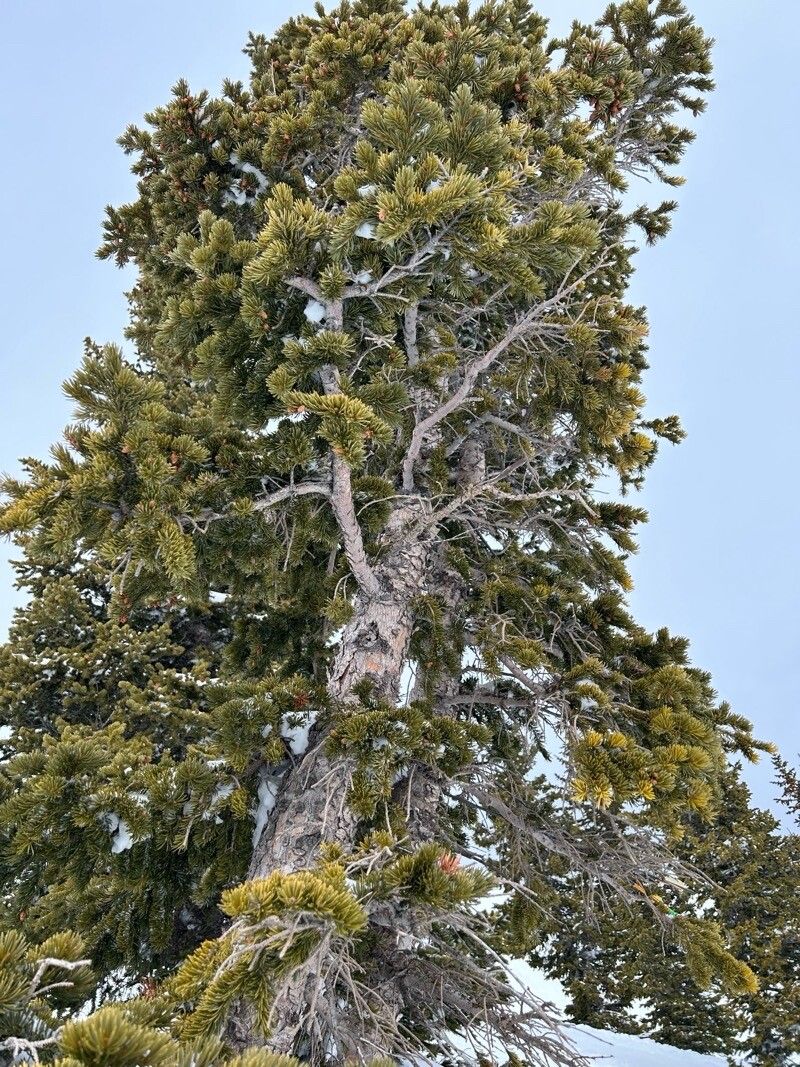
Oh, the Great Basin Bristlecone Pine, Pinus longaeva! Just saying the name makes me smile. These ancient trees are living legends, aren’t they? Their gnarled, twisted forms tell tales of millennia, surviving in the harshest environments. There’s something incredibly special about nurturing a little piece of that ancient wisdom right in your own garden or home. While definitely not a plant for a complete beginner wanting instant results, the reward of successfully propagating a bristlecone pine is immense. It’s a project for the patient and the persistent, and I’m here to walk you through it.
The Best Time to Start
For Pinus longaeva, timing is crucial. You’ll have the best luck collecting cuttings in late spring or early summer. This is when the new growth, called “flushes,” is just starting to harden off. Look for stems that are semi-hard – they’ll bend a bit without snapping immediately, but they won’t be as soft and floppy as brand-new growth.
Supplies You’ll Need
Here’s what I always have on hand when I’m working with conifers like these:
- Sharp, clean pruning shears or a sharp knife: Sanitation is key to prevent disease.
- Rooting hormone: Look for one specifically formulated for woody cuttings, often containing IBA (indole-3-butyric acid). A powder is usually easiest for me.
- Well-draining potting mix: A simple mix of coarse sand, perlite, and peat moss (about 1:1:1 ratio) works wonderfully. You want something that doesn’t hold too much moisture.
- Small pots or propagation trays: Clean pots are a must!
- Plastic bags or a misting system: To maintain high humidity around the cuttings.
- Labels and a permanent marker: Don’t forget what you planted and when!
- A warm location: A heat mat can be a game-changer.
Propagation Methods
When it comes to bristlecone pines, stem cuttings are your best bet. While division isn’t really an option for such a slow-growing, resinous tree, and water propagation is a no-go for conifers, we can coax roots out of woody stems.
- Take the Cuttings: Select healthy branches and make clean cuts just above a node. Aim for cuttings that are 4-6 inches long. Remove the lower needles, leaving a few at the very top. This helps reduce moisture loss and gives you something to work with.
- Prepare the Cutting: If there’s any sap oozing, just let it air dry for a bit. Then, dip the cut end into your rooting hormone. Tap off any excess powder.
- Planting: Make a hole in your prepared potting mix with a pencil or your finger. Gently insert the cutting, ensuring the rooting hormone stays on the cut end. Firm the soil around it.
- Create Humidity: Water the potting mix thoroughly until it drains from the bottom. Then, cover the pot loosely with a clear plastic bag, propping it up with stakes so the bag doesn’t touch the needles. Alternatively, you can mist the cuttings regularly if you have a misting system.
- Placement: Place your pots in a bright, indirect light location. Crucially, use bottom heat if you can. A propagation mat set to around 70-75°F (21-24°C) will significantly speed up root development.
The “Secret Sauce” (Pro Tips)
Here are a couple of things I’ve learned over the years that really make a difference:
- The “Hardening Off” Trick: When you see new needles starting to emerge and the cutting feels firm when gently tugged (a sign of root development!), it’s time to gradually wean it off the high humidity. Start by opening the plastic bag for a few hours each day, then remove it completely. This prevents shock.
- Patience with Resin: Bristlecone pines can be a bit reluctant to root, and they produce a lot of resin. Don’t be discouraged by it! If the cut end is very sticky, you can gently wipe it with a clean, damp cloth before dipping in rooting hormone, but don’t obsess over removing every last bit. The resin is a natural defense.
Aftercare & Troubleshooting
Once you see roots forming (you might even see them peeking out the drainage holes!), that’s when you shift gears to gentle care. Continue to keep the soil moist but not waterlogged. Avoid overwatering at all costs – that’s the quickest way to invite root rot, which often presents as a blackening and mushy stem base. If a cutting looks like it’s wilting or turning yellow, it could be dehydration, but more often with conifers, it’s a sign of too much moisture or a fungal issue. Remove any affected cuttings immediately. Gradually introduce your new bristlecone babies to normal garden conditions over a few weeks.
Growing a Pinus longaeva from a cutting is a journey, not a sprint. It’s a chance to connect with nature on a deeper level and to witness the slow, steady unfolding of life. Take your time, be observant, and most importantly, enjoy the process. Happy gardening!
Resource:
https://identify.plantnet.org/k-world-flora/species/Pinus%20longaeva%20D.K.Bailey/data