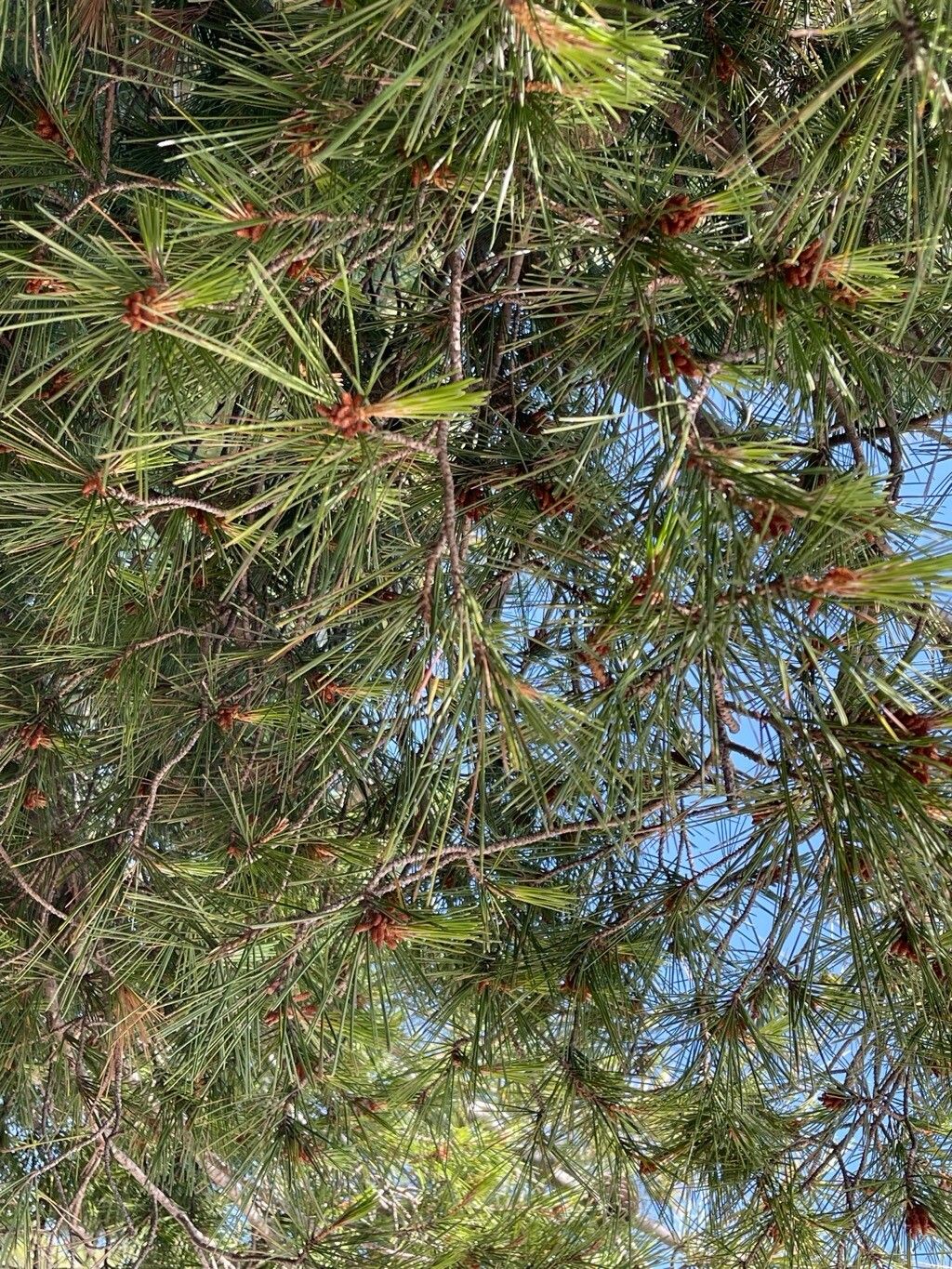
Oh, hello there! Grab a mug of your favorite chai, and let’s chat about one of my absolute favorites: the Aleppo pine, Pinus halepensis. If you’ve ever admired those graceful, airy conifers with their delicate needles and beautiful, rustic appeal, you’re not alone. They bring such a Mediterranean charm to any garden, or even a sunny windowsill for the smaller varieties. And the best part? You can actually grow your own from cuttings! It’s a wonderfully satisfying way to expand your collection or share a little piece of your garden with friends.
Now, I’ll be honest, propagating Aleppo pines isn’t quite like rooting a geranium. They are a bit more particular. It’s not impossible for a beginner, but it definitely leans towards the more challenging end of the spectrum. Don’t let that discourage you, though! With a little patience and the right approach, you’ll be well on your way.
The Best Time to Start
For the highest chance of success with Pinus halepensis, you’ll want to focus on taking cuttings in the late spring or early summer. This is when the plant is actively growing, and the new shoots are still somewhat soft and pliable. Look for stems that have that greenish, flexible quality, not the old, woody brown growth. This vigorous new material has more of that youthful energy that’s crucial for rooting.
Supplies You’ll Need
Here’s a rundown of what you’ll want to have on hand before you begin:
- Sharp pruning shears or a clean craft knife: For making precise cuts. Sterilize them with rubbing alcohol beforehand!
- Rooting hormone powder: Choose one specifically formulated for woody plants or conifers. This is a game-changer for encouraging root development.
- A well-draining potting mix: I like to use a blend of coco coir, perlite, and a bit of coarse sand. A standard succulent or cactus mix can also work in a pinch, but you absolutely want good drainage.
- Small pots or trays with drainage holes: About 4-6 inch pots are usually a good size to start with.
- A mister or spray bottle: For keeping the cuttings hydrated.
- A plastic bag or propagation dome: To create a humid environment around your cuttings.
- Optional: A heating mat: This can significantly boost rooting success, especially if your home is on the cooler side.
Propagation Methods
While Aleppo pines can be a bit tricky to start from seed (often requiring specific stratification), stem cuttings are generally the most accessible method for home gardeners.
Propagating by Stem Cuttings:
- Select your cutting: Find a healthy, vigorous stem on your mature Aleppo pine. Look for a section that’s about 4-6 inches long and has just finished its current flush of growth. It should be slightly flexible, not rock-hard wood.
- Take the cutting: Using your sterilized sharp shears or knife, make a clean cut just below a leaf node (where the needles attach to the stem). Try to make your cut as clean and angled as possible.
- Prepare the cutting: Gently remove the needles from the bottom 2-3 inches of the cutting. This is where the roots will eventually form, and you don’t want those needles submerged in soil or water. The rest of the needles should stay on.
- Apply rooting hormone: Dip the cut end of the stem into your rooting hormone powder. Tap off any excess.
- Pot it up: Fill your clean pot with your prepared, well-draining potting mix. Make a hole in the center of the soil with your finger or a pencil.
- Insert the cutting: Gently place the rooting hormone-coated end of the cutting into the hole. Firm the soil gently around the stem to ensure good contact.
- Water lightly: Water the soil gently to settle it. You want it moist, but not soggy.
- Create humidity: Place a plastic bag over the pot, or cover it with a propagation dome. Make sure the bag or dome doesn’t touch the needles as much as possible. You can use stakes to prop it up if needed.
- Provide bright, indirect light: Place your potted cuttings in a bright location that receives plenty of indirect sunlight. Avoid direct sun, which can scorch the cuttings.
- Be patient: This is where the magic (and the waiting) happens. Keep the soil consistently moist but not waterlogged. You might need to mist the inside of the bag/dome occasionally to maintain humidity.
The “Secret Sauce” (Pro Tips)
After years of tinkering, I’ve picked up a few tricks that have really upped my success rate with trickier conifers:
- Bottom Heat is Your Friend: If you have a heating mat, place your pots on it. A consistent soil temperature around 70-75°F (21-24°C) makes a huge difference in encouraging those stubborn roots to form. You’ll want to keep your top airy, so the heating mat is a great way to give roots a warm hug without getting the foliage too steamy.
- Don’t Be Afraid of a Little “Wounding”: Sometimes, carefully making a very shallow slit or two on the bark on opposite sides of the stem base (after removing needles) can help the rooting hormone adhere better and give the plant more surface area to initiate roots. Be very gentle; you’re not trying to remove bark, just create a tiny little “wound.”
- Take Multiple Cuttings: Because propagation can be hit-or-miss with Aleppo pines, take more cuttings than you think you’ll need. Seriously, the more the merrier! This significantly increases your odds of getting a few success stories.
Aftercare & Troubleshooting
Once your Aleppo pine cuttings start showing signs of life – usually new needle growth or resistance when you gently tug on them (don’t tug too hard!) – you know roots are forming. This can take anywhere from six weeks to several months.
When you see those roots, carefully remove the plastic bag or dome, gradually acclimatizing the new plants to your home’s humidity. Continue to keep the soil consistently moist and provide bright, indirect light. Once they are established and you see healthy new growth, you can transplant them into slightly larger pots.
The most common issue you’ll face is rot. This usually happens if the soil stays too wet. If you see a cutting turn black and mushy, it’s best to discard it to prevent it from spreading. Over-watering is honestly the biggest culprit here, so always err on the side of caution. If the needles start to turn yellow and drop, it could be a sign of too much direct sun, too little water, or simply that the cutting didn’t take.
A Encouraging Closing
Growing your own Aleppo pines is a journey, my friends. There will be moments of doubt, and perhaps a few cuttings that don’t quite make it. But don’t let that deter you! Celebrate every bit of new growth, every tiny root you discover. Be patient, be observant, and enjoy the incredibly rewarding process of bringing a new life into your garden. Happy propagating!
Resource:
https://identify.plantnet.org/k-world-flora/species/Pinus%20halepensis%20Mill./data