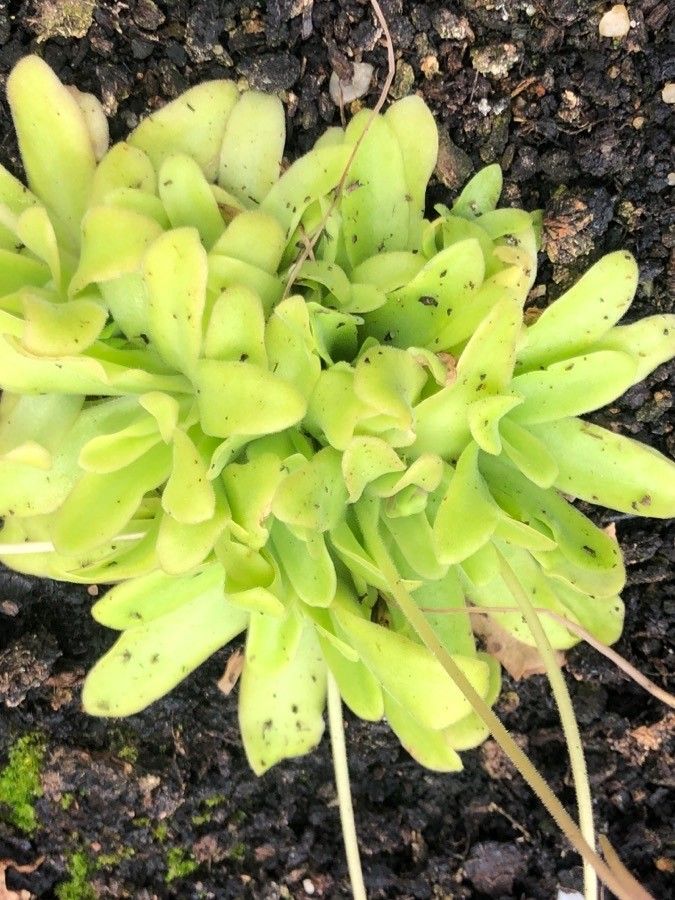
Hello, fellow plant lovers! Today, we’re diving into the delightful world of Pinguicula martinezii, also known as the Mexican Butterwort. If you’ve ever marveled at its sticky, glistening leaves that look like they’re perpetually covered in morning dew, you’re not alone. This little carnivorous gem is a joy to behold, and propagating it is a fantastic way to share its beauty or simply expand your own collection. And the good news? For those a little hesitant to try propagation, Pinguicula martinezii is actually quite forgiving, making it a wonderful plant to start with!
The Best Time to Start
Generally, spring is your golden ticket for propagating Pinguicula martinezii. This is when the plant is actively growing after its winter rest. You’ll see the most vigor in the leaves, meaning they’ll have plenty of energy to put into forming new roots. Aim to take cuttings from healthy, mature leaves when the plant is showing robust growth.
Supplies You’ll Need
Before we get our hands dirty, let’s gather our tools:
- Well-draining soil mix: A good blend for carnivorous plants works wonders. I often use a mix of peat moss and perlite (about 1:1 ratio), or you can find specialized Pinguicula mixes.
- Sharp, clean scissors or a razor blade: For making precise cuts.
- Spray bottle: For keeping humidity up.
- Small pots or trays: For your new baby plants.
- Optional: Rooting hormone: While often not strictly necessary for Pinguicula martinezii, a little can sometimes give an extra boost.
- Optional: Clear plastic bag or a small propagation dome: To create a humid environment.
Propagation Methods
The most successful and rewarding way to propagate Pinguicula martinezii is through leaf pullings. It’s wonderfully simple!
- Select a healthy leaf: Look for a plump, firm leaf, ideally from the outer edges of the plant.
- Gently detach the leaf: This is crucial. Instead of cutting, try to gently pull the leaf from the base of the plant. You want to get as much of the white basal part attached to the leaf as possible. This little bit of the stem tissue is where the magic happens. Sometimes a slight twisting motion helps.
- Let it callous (Optional but recommended): For a few hours, or even overnight, let the cut end sit in a dry place. This helps prevent rot when it hits the soil.
- Prepare your pots: Fill your small pots or trays with your prepared, moistened soil mix. It should be damp, not soggy.
- Plant the leaf: Gently press the basal end of the leaf into the soil. Make sure the edge where it detached is slightly embedded in the soil. Don’t bury the whole leaf!
- Provide humidity: Lightly mist the soil surface with your spray bottle. Then, cover the pot with a clear plastic bag or a propagation dome. This creates a mini-greenhouse effect.
- Place in bright, indirect light: No direct sun for these little guys, as it can scorch them. A bright windowsill is usually perfect.
The “Secret Sauce” (Pro Tips)
Here are a couple of tricks I’ve learned over the years that really make a difference:
- Don’t let the leaves touch standing water. While Pinguicula like moisture, laying a leaf directly in water can quickly lead to rot. The soil should be consistently moist, not waterlogged, and the humidity from the enclosure keeps the leaf itself hydrated.
- Bottom heat is your friend! If you have one of those seedling heat mats, placing your propagation tray on it can significantly speed up root development. It mimics the warmth of spring and encourages those crucial root cells to get going. Don’t overheat it, though – just a gentle warmth.
Aftercare & Troubleshooting
Once you’ve got your leaves planted, be patient! It can take anywhere from several weeks to a few months for you to see tiny new plantlets forming at the base of the parent leaf.
When these little newcomers appear, continue to keep the soil consistently moist and the humidity high. As they grow larger and develop their own roots, you can gradually acclimate them to slightly lower humidity by opening the plastic bag for increasing periods. Eventually, you can remove the cover altogether.
The most common issue you might encounter is rot. If you see your leaf turning black and mushy, it’s a sign of too much moisture and not enough air circulation. Remove the affected leaf immediately and check your watering habits. Sometimes, a healthy leaf won’t root; that’s just nature, and it’s why we take multiple cuttings!
A Little Patience Goes a Long Way
Propagating Pinguicula martinezii is a wonderfully rewarding process. Watching a tiny leaf unfurl into a whole new plant is such a satisfying feeling. Don’t get discouraged if your first attempt isn’t a runaway success. Keep experimenting, keep observing, and most importantly, enjoy the journey of nurturing these unique little plants. Happy growing!
Resource:
https://identify.plantnet.org/k-world-flora/species/Pinguicula%20martinezii%20Zamudio/data