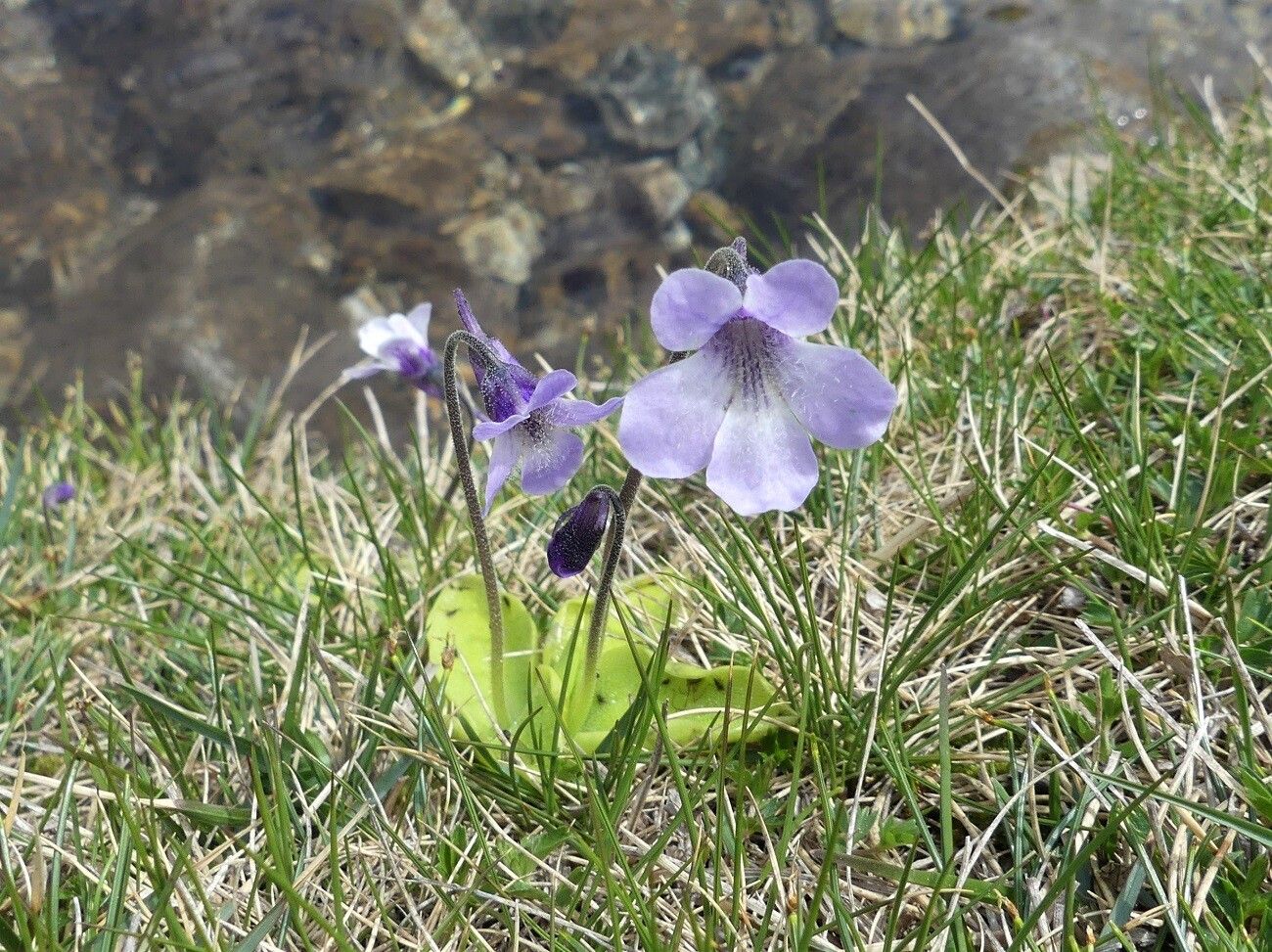
Oh, hello there! Come on in, grab a seat. I’ve been so excited to chat with you about Pinguicula corsica. If you’re anything like me, you’ve probably fallen head over heels for its delicate charm. Those little rosettes of sticky leaves, just waiting to catch a tiny fly or two – they’re just utterly captivating, aren’t they? Propagating these beauties is such a joy. It’s like unlocking a little bit of magic, turning one special plant into many. Now, I won’t lie, Pinguicula corsica can be a tad particular, but don’t let that put you off! With a little patience and the right approach, you’ll be well on your way.
The Best Time to Start
For the highest chance of success, cloning your Pinguicula corsica from leaves is best done in its active growing season. Think late spring through early summer. This is when the plant is pumping out energy, producing healthy, plump leaves that are primed for propagation. You can often get away with it at other times, but this window just gives you a real advantage.
Supplies You’ll Need
You might be surprised at how few things you actually need. It’s more about the quality of what you use.
- Healthy, mature leaves: The bigger and plumper, the better!
- Sharp, clean razor blade or small scissors: Sanitation is key, my friends.
- Well-draining soil mix: I often use a ¼ peat moss to ¾ perlite mix. Some folks swear by pure perlite or a fine orchid bark mix. The goal is airflow and not holding too much moisture.
- Small pots or trays: Tiny ones are perfect. Even old yogurt containers with drainage holes will do in a pinch.
- Filtered water or distilled water: Tap water can contain minerals that these sensitive plants don’t appreciate.
- A spray bottle: For gentle misting.
- (Optional) A small seedling heat mat: This can really speed things up, but don’t fret if you don’t have one!
Propagation Methods
I’ve found leaf cuttings to be the most reliable and rewarding way to propagate Pinguicula corsica. It’s relatively straightforward, and you get to watch those tiny plantlets emerge from seemingly nowhere!
- Selecting the Right Leaf: Gently examine your Pinguicula corsica. Look for a mature, healthy leaf that is neither too old and leathery nor too young and flimsy. A leaf that feels firm and has good color is your best bet.
- Making the Cut: This is crucial. You need to get a tiny bit of the white basal tissue attached to the leaf when you remove it. This is where the magic happens. Using your clean razor blade or scissors, carefully pull the leaf downwards, and make a swift, clean cut at the very base where it attaches to the mother plant. You want that little bit of white goo – that’s the good stuff!
- Setting Up Your Propagation Pots: Fill your small pots or trays with your chosen soil mix. Moisten it lightly with your filtered water. You want it damp, not soggy.
- Planting the Leaves: Take your prepared leaf and gently press the cut end (the part with the white tissue) just barely into the surface of the soil. You don’t need to bury the whole leaf! Just enough so that the basal end makes good contact. Make sure the rest of the leaf is resting on top of the soil or propped up slightly. Avoid letting the leaf sit in standing water.
- Creating a Humid Environment: Now, you want to create a nice, humid microclimate. I usually place the pots inside a clear plastic bag or a small propagator, leaving it slightly open for airflow to prevent mold. Alternatively, you can just mist the soil surface lightly every day or two.
The “Secret Sauce”
Here are a couple of things I’ve learned over the years that really make a difference:
- Don’t Overwater! This is probably the biggest pitfall. Pinguicula hate sitting in soggy soil. While they like humidity, their roots need air. Aim for consistently moist, but never waterlogged, conditions. Water from the bottom if you can, or mist the soil surface gently.
- Bottom Heat is Your Friend (but not essential): If you’re struggling to get roots or want to speed things up, popping your propagation tray on a gentle seedling heat mat can make a world of difference. A consistent warmth of around 70-75°F (21-24°C) encourages root development beautifully.
Aftercare & Troubleshooting
Once you’ve got your leaves tucked in, be patient. It can take anywhere from a few weeks to a couple of months for you to see tiny plantlets peeking out from the base of the leaf.
- When Plantlets Appear: Once you see little rosettes forming, continue to keep the soil lightly moist and humid. As they grow larger and develop their own tiny roots, you can gradually introduce them to more air circulation. Eventually, you can separate them, but I usually wait until they are a decent size, maybe coin-sized.
- Signs of Trouble: The most common issue is rot. If your leaf turns mushy, black, or develops fuzzy mold, it’s likely an issue with too much moisture or poor airflow. Don’t be discouraged; it happens to the best of us! Just discard the failed leaf and try again. Another sign is if the leaf shrivels up completely without any sign of plantlets – this could indicate the leaf wasn’t healthy enough or didn’t have enough basal tissue.
A Little Encouragement
There you have it! Propagating Pinguicula corsica is a wonderfully rewarding journey. It teaches you about patience, observation, and the sheer resilience of plants. Even if your first few attempts aren’t perfect, each experience is a lesson learned. So dust off those tools, grab a healthy leaf, and enjoy the delightful anticipation of watching new life emerge. Happy growing!
Resource:
https://identify.plantnet.org/k-world-flora/species/Pinguicula%20corsica%20Bernard%20&%20Gren./data