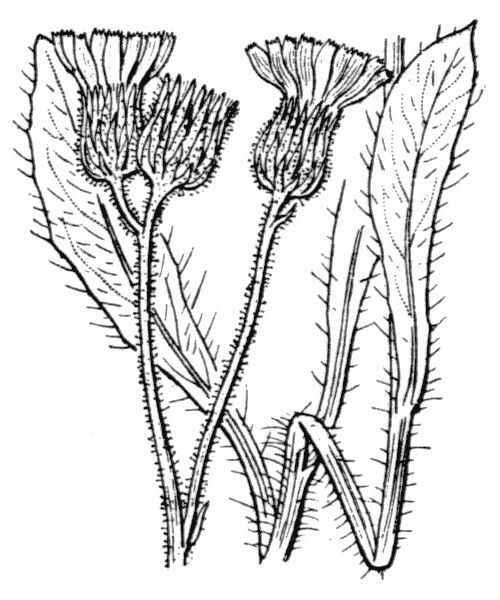
Hello fellow plant lovers! I’m so excited to chat with you today about one of my favorite little groundcovers: Pilosella flagellaris. If you haven’t met this charming plant yet, imagine a carpet of fuzzy, silver-green leaves, dotted with cheerful little yellow daisy-like flowers throughout the warmer months. It’s a low-maintenance beauty that creeps and spreads, creating a lovely texture in garden beds, rockeries, or even spilling out of containers.
Why propagate it, you ask? Well, it’s incredibly rewarding! You get to watch new life emerge from something as simple as a tiny piece of a mature plant. Plus, it’s a fantastic way to fill out a larger space in your garden without buying a whole new nursery’s worth. For anyone just starting out with plant propagation, I’d say Pilosella flagellaris is a pretty beginner-friendly choice. It’s forgiving and tends to be quite eager to root, which is always a confidence booster!
The Best Time to Start
Generally, the warmer months are your best bet for propagating Pilosella flagellaris. Think late spring through summer. This is when the plant is actively growing and has plenty of energy to put into developing new roots. You can often take cuttings from healthy, established plants that are showing good vigor.
Supplies You’ll Need
Here’s what you’ll want to have on hand:
- Sharp pruning shears or snips (a clean cut is important!)
- A well-draining potting mix (I like a blend of peat moss, perlite, and a little bit of sandy loam)
- Small pots or trays
- Rooting hormone powder or gel (optional, but it can give an extra boost)
- A watering can with a fine rose or a mister
- A plastic bag or a humidity dome (to keep things cozy)
Propagation Methods
Pilosella flagellaris is a master of spreading, and we can mimic its natural talent. The easiest and most common way to propagate it is through stem cuttings.
- Select your parent plant: Look for a healthy, vigorous specimen.
- Take cuttings: Using your clean, sharp pruning shears, snip off sections of stem that are about 3-4 inches long. Ideally, these cuttings should have at least a few sets of leaves and be from non-flowering stems. If there’s a flower bud, you can snip it off – we want all that energy going into roots.
- Prepare the cuttings: Gently remove the lower leaves from the cutting, leaving just a couple of sets at the top. This prevents them from rotting in the soil. If you’re using rooting hormone, dip the cut end into it, tapping off any excess.
- Plant the cuttings: Make small holes in your prepared potting mix. Insert the cut end of each stem cutting into the holes, ensuring the nodes (where the leaves were removed) are buried. Gently firm the soil around them.
- Water gently: Water the potting mix thoroughly but gently. You don’t want to dislodge your cuttings.
Another simple method is division, especially if your plant has already formed a nice clump!
- Gently unearth: Carefully dig up a clump of your Pilosella flagellaris.
- Separate the divisions: You should be able to see where the plant naturally wants to break apart into smaller sections, each with its own roots and shoots. Gently tease these apart with your fingers or a small trowel.
- Replant immediately: Plant these divisions into new pots filled with your potting mix or directly into your garden beds. Water them in well.
The “Secret Sauce” (Pro Tips)
Here are a few little tricks I’ve learned over the years that can make a big difference:
- Don’t crowd your cuttings. Give them a little breathing room in their pots. Overcrowding can lead to poor air circulation, which is a breeding ground for fungal issues.
- Consider bottom heat. If you’re propagating indoors or in a cooler spot, placing your pots on a seed-starting heat mat can significantly speed up root development. It’s like giving the roots a cozy, warm hug!
- Watch for wilting, but don’t panic. Cuttings can look a bit sad initially as they adjust. As long as the leaves don’t turn yellow or mushy, and the stem feels firm, give them time. If you see a leaf starting to yellow, it’s often a sign that particular cutting might not make it, and that’s okay.
Aftercare & Troubleshooting
Once your cuttings are planted, the key is to keep them consistently moist but not waterlogged. This is where the plastic bag or humidity dome comes in handy. It creates a mini-greenhouse effect, retaining moisture and humidity around the leaves. Check the soil moisture every day or two.
You’ll know your cuttings have rooted when you see new leaf growth, or when you gently tug on a cutting and feel a bit of resistance. This can take anywhere from 2-6 weeks, depending on conditions.
The most common problem you might encounter is rot. This usually happens if the cuttings are sitting in soil that’s too wet or if the humidity is too high for too long without any airflow. If you see a cutting turning mushy and brown, it’s best to remove it immediately to prevent it from affecting others.
Happy Propagating!
Watching those tiny roots unfurl and new shoots emerge is truly one of the most satisfying parts of gardening. Be patient with your Pilosella flagellaris cuttings. Sometimes they take their sweet time, but the reward of seeing them thrive is absolutely worth it. Enjoy the journey, and happy growing!
Resource: