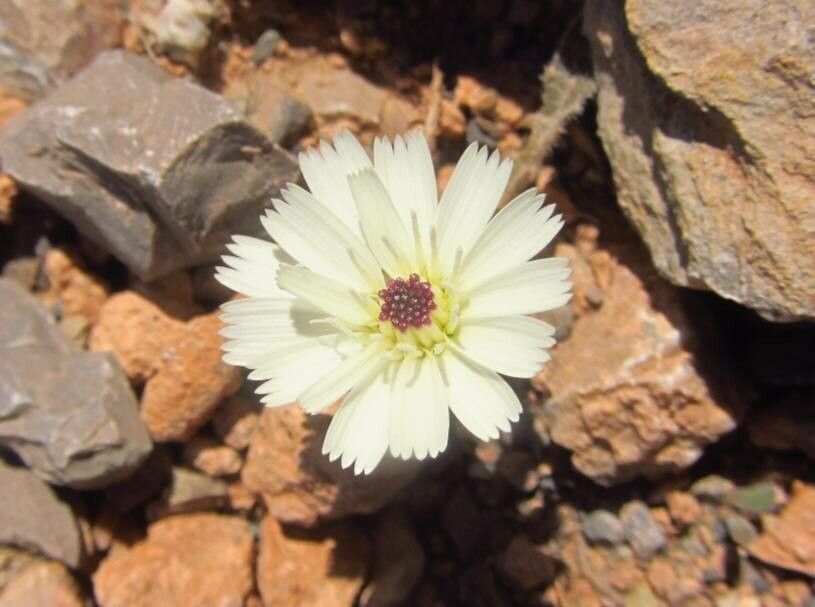
Oh, hello there! Pull up a chair, let’s chat about Picris albida. This lovely little plant, with its cheerful yellow blooms and delicate fuzzy leaves, is such a joy to have in the garden. It’s one of those plants that just makes you smile when you see it. And the best part? Sharing that joy is incredibly easy once you learn how to propagate it. For me, Picris albida is a wonderfully rewarding plant to work with, and I think you’ll find it quite forgiving, even if you’re just starting out with propagation.
The Best Time to Start
When it comes to Picris albida, spring is simply your best bet. As the weather warms up and the plant starts showing new, vigorous growth, that’s the prime time to take cuttings. You’re essentially catching it at its peak energy, which gives your new little plants the best chance to thrive. Timing is key, and in spring, nature is on our side!
Supplies You’ll Need
Gathering your supplies before you begin makes the whole process so much smoother. Here’s what I usually have on hand:
- Sharp Pruning Shears or a Clean Knife: For taking nice, clean cuts.
- Rooting Hormone (Optional but Recommended): A little powdery magic to help things along.
- A Well-Draining Potting Mix: I like a mix of perlite and peat moss, or a good quality seed-starting mix.
- Small Pots or Seedling Trays: Clean ones, please!
- Watering Can with a Fine Rose: To water gently without disturbing your cuttings.
- Plastic Bags or a Propagation Dome: To create a humid environment.
- Labels: So you don’t forget what you planted where!
Propagation Methods
Picris albida is wonderfully adaptable, but for me, stem cuttings are the most reliable and rewarding way to go.
- Take Your Cuttings: On a bright spring morning, select a healthy, non-flowering stem. Using your sharp shears or knife, take a cutting about 3-4 inches long. Make the cut just below a leaf node (where a leaf attaches to the stem).
- Prepare the Cuttings: Gently remove the lower leaves from the cutting, leaving about two or three at the top. If the remaining leaves are very large, you can even snip them in half horizontally – this reduces water loss. If you’re using rooting hormone, dip the cut end of the stem into the powder, tapping off any excess.
- Pot Them Up: Fill your chosen pots or trays with your well-draining potting mix. Make small holes with your finger or a pencil, and insert the cuttings, ensuring the leaf nodes are buried in the soil. Gently firm the soil around the base of each cutting.
- Water Gently: Give them a light watering to settle the soil. You don’t want them sitting in a puddle!
- Create Humidity: Now, the crucial step for these little guys. Cover the pots loosely with a plastic bag to create a mini greenhouse, or use a propagation dome. Make sure the plastic isn’t directly touching the leaves. Place them in a bright spot but out of direct, scorching sunlight.
The “Secret Sauce” (Pro Tips)
I’ve learned a thing or two over the years, and here are a couple of little tricks that have made all the difference for me:
- Don’t Overcrowd: When you’re taking cuttings, resist the urge to cram too many into one pot. Each cutting needs space to breathe and develop roots without competing for resources or moisture. A bit of breathing room really helps prevent any fungal issues.
- Bottom Heat, If You Have It: If you happen to have a seedling heat mat, placing your pots on it can be a game-changer. It encourages root development from the bottom up, speeding up the process and increasing your success rate. It’s like giving them a warm, cozy foot rub!
Aftercare & Troubleshooting
Once your cuttings are potted, keep them consistently moist but not waterlogged. Mist them occasionally if they are not covered by a dome or bag. The sign you’ll be eagerly waiting for is new growth! Tiny leaves emerging from the top or a gentle tug showing resistance means roots have formed.
The most common issue you might encounter is rot. If you see your cuttings turning mushy or black at the soil line, it’s usually a sign of too much moisture and poor air circulation. Don’t be discouraged if a few don’t make it – it happens to us all! Just remove the affected cuttings and adjust your watering frequency for the remaining ones.
A Encouraging Closing
Propagating plants is a journey, and with Picris albida, it’s a beautifully rewarding one. Be patient with your little cuttings; they’re working hard to establish themselves. Enjoy the process, celebrate every new leaf or strong root, and soon you’ll have a whole garden full of these sunny little charmers to admire and share. Happy growing!
Resource:
https://identify.plantnet.org/k-world-flora/species/Picris%20albida%20Ball/data