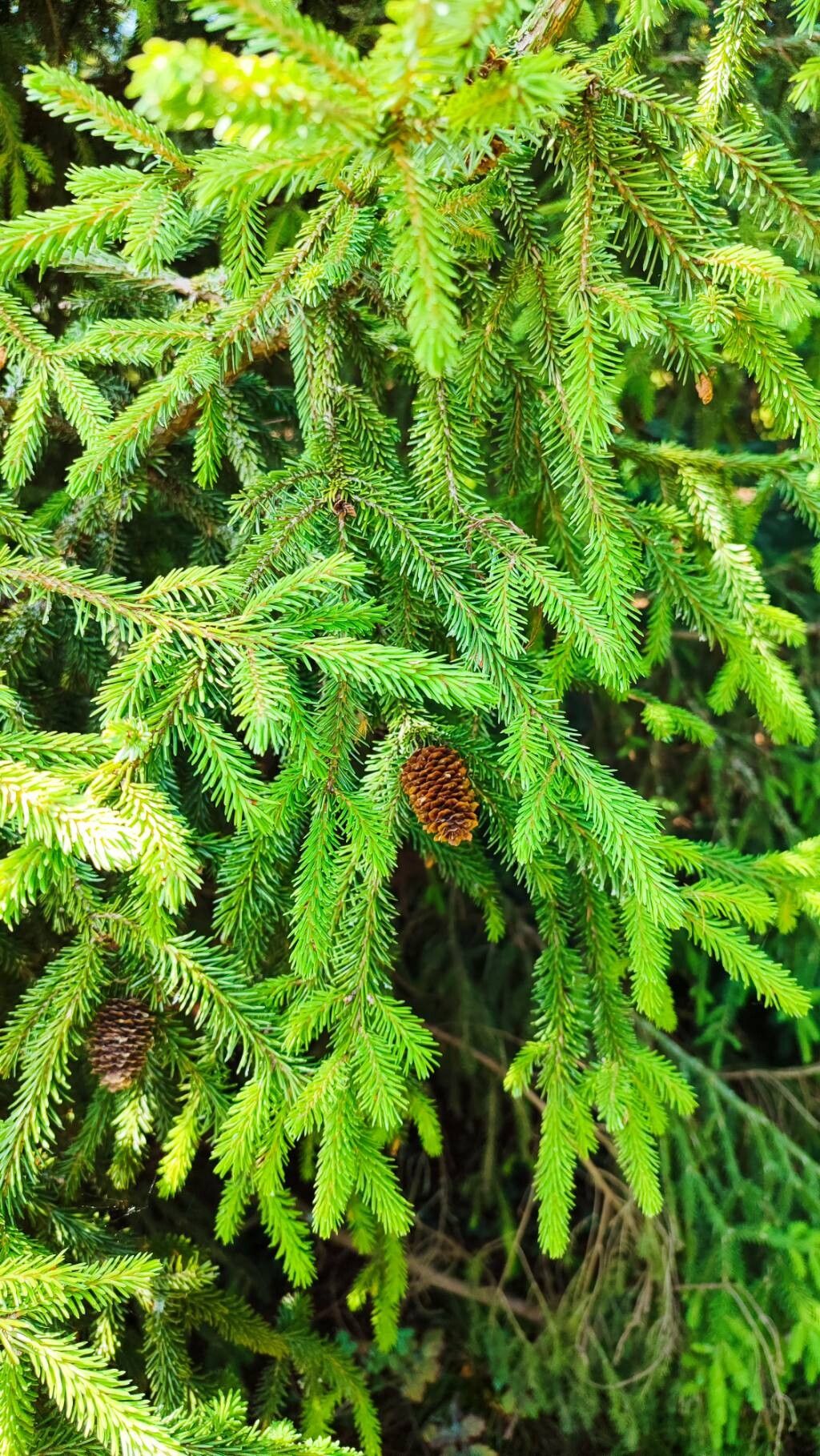
Oh, hello there! Come on in, pull up a chair. I’ve got a fresh pot of coffee brewing. Today, we’re going to chat about a tree that truly captures my heart: the Picea purpurea, or the Purple Spruce. Isn’t it a beauty? Those gorgeous, deep purple cones against the fresh green needles… it’s a real showstopper in any garden.
Now, if you’re anything like me, seeing a plant you love and thinking, “Gosh, I’d love to have more of those!” is a common feeling. Propagating them yourself? It’s wonderfully rewarding. Honestly, for beginners, this particular spruce can be a little bit of a challenge. It’s not the easiest plant to start from scratch, but with a bit of know-how and patience, you can absolutely grow your own little Purple Spruces. And that feeling of success? Oh, it’s pure garden joy!
The Best Time to Start
When it comes to Picea purpurea, the sweet spot for propagation is usually late spring to early summer. This is when the new growth is just starting to harden off. You’re looking for those nice, semi-hardwood cuttings. They have a bit more resilience than brand-new, flappy shoots but aren’t as woody as mature branches. Waiting for this stage gives your cuttings the best chance to root successfully.
Supplies You’ll Need
Alright, let’s get our workspace ready. Here’s what I always make sure I have on hand:
- Sharp, clean pruning shears or a sharp knife: For making clean cuts – this is crucial!
- Rooting hormone powder or gel: This really gives your cuttings a boost.
- A well-draining potting mix: I like a mix of perlite, peat moss, and a bit of coarse sand. Or, a good quality seed-starting mix can work too.
- Small pots or seed trays: With drainage holes, of course. Terra cotta pots are lovely, but plastic works just fine.
- A clear plastic bag or propagation dome: To create a humid microclimate.
- Water: For misting and for any water propagation attempts.
- Labels and a permanent marker: To keep track of what you’ve planted, when, and where.
- Optional: A heat mat: This can provide gentle bottom warmth, which roots love.
Propagation Methods
We can tackle this lovely spruce through a couple of methods, but my go-to is usually stem cuttings.
Stem Cuttings (My Preferred Method)
This is generally the most reliable way to get new Picea purpurea plants.
- Take your cuttings: In late spring or early summer, select a healthy branch that has just started to mature. Look for a section that’s firm but still has a bit of flexibility. Using your sharp pruning shears, take cuttings about 4-6 inches long. Make the cut just below a leaf node (where a needle or branch emerges).
- Prepare the cuttings: Gently remove the needles from the bottom 1-2 inches of the cutting. Be careful not to tear the bark.
- Apply rootinghormone: Dip the cut end of the prepared cutting into your rooting hormone. Tap off any excess.
- Plant your cuttings: Fill your pots with your well-draining potting mix. Make a hole in the center with a pencil or your finger, just deep enough for the cut end. Gently insert the cutting and firm the soil around it. You can put several cuttings in one pot, but make sure they have a little space.
- Water and cover: Water the soil gently but thoroughly. Then, place the pot inside a clear plastic bag or cover it with a propagation dome. Seal it up to hold in the humidity.
- Location, location, location: Place the pot in a bright spot that receives indirect sunlight. Avoid direct sun, as it can scorch the cuttings. If you’re using a heat mat, place the pot on top of it now.
Water Propagation (Use with Caution for Conifers)
While less common for conifers like spruce, you can try water propagation, but success rates can be lower.
- Prepare the cuttings: Follow steps 1 and 2 from stem cuttings.
- Place in water: Get a clean jar or glass and fill it with fresh water. Place your prepared cuttings in the water, ensuring that the bottom few inches are submerged. Crucially, make sure no needles are submerged in the water. These will rot and can kill the cutting.
- Change the water regularly: Change the water every few days to keep it fresh and prevent bacterial growth.
- Patience: Keep it in bright, indirect light. Roots should eventually appear, but it can take a while. Once you have a decent root system (at least an inch long), you can carefully try to transplant it into potting mix.
The “Secret Sauce” (Pro Tips)
Now, here are a few little tricks I’ve learned over the years that can really make a difference:
- Don’t be afraid to experiment with different times: While late spring is ideal, if you miss it, a fall cutting from slightly woodier growth might also work, though it often takes longer to root. It’s all about learning your plant and your environment!
- Bottom heat is your friend: Spruce cuttings really do appreciate a bit of warmth from below. A propagation mat provides consistent, gentle heat that encourages root development without overheating the foliage. You’ll often see faster and stronger root formation.
- Be patient! This is probably the biggest “secret.” Conifers can be slowpokes when it comes to rooting. Don’t get discouraged if you don’t see results in a week or two. Sometimes it takes months. Keep the humidity up and the light consistent.
Aftercare & Troubleshooting
Once you see little white roots emerging from the drainage holes or pushing into the soil (if you gently pull a cutting out), congratulations! It’s time for transplanting.
Carefully transplant your rooted cuttings into individual small pots filled with a good-quality potting mix. Water them in gently and keep them in a sheltered location for a few weeks. Gradually acclimatize them to less humid conditions and more direct sunlight.
What if things aren’t going as planned? The most common issue you’ll face is rot. This usually happens when the cuttings are kept too wet, the environment is too stagnant, or if you’ve used non-draining soil. If you see mushy, blackened stems or needles turning yellow and dropping off, it’s likely rot. Don’t be afraid to pitch any rotted cuttings – they won’t recover and can infect others. It’s better to lose a few and have success with the rest.
A Little Encouraging Closing
There you have it! Propagating a Picea purpurea might take a little extra care, but seeing those tiny trees begin their life from your own efforts is incredibly satisfying. Just remember to be gentle, keep things clean, and give it time. Enjoy the process, and happy gardening!
Resource:
https://identify.plantnet.org/k-world-flora/species/Picea%20purpurea%20Mast./data