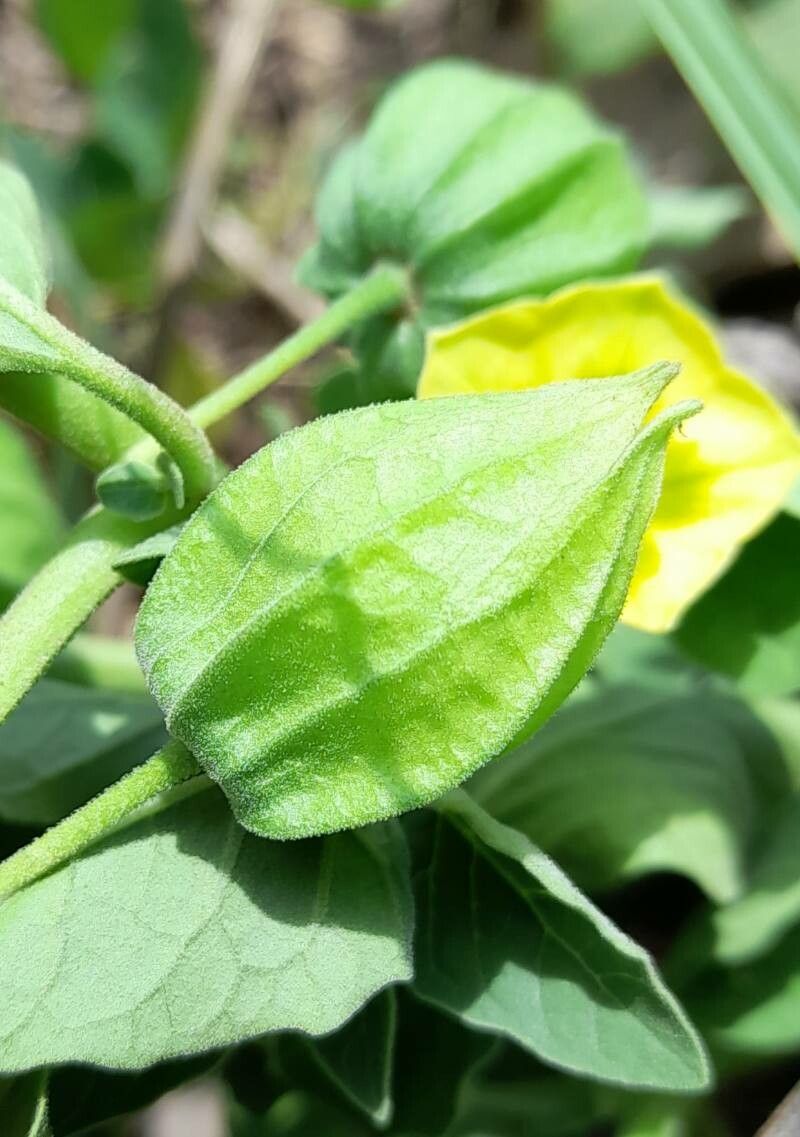
Hello there, fellow plant lovers! Today, we’re diving into the world of Physalis viscosa, also known as sticky groundcherry. I’ve always found these little plants absolutely charming. They produce these delicate, papery lanterns, and inside, you’ll find a tart, delicious berry. It’s such a fun surprise when you’re tending to your garden! And the best part? Propagating them is surprisingly straightforward, making it a wonderful project for both seasoned gardeners and those just finding their green thumb.
The Best Time to Start
For Physalis viscosa, the sweet spot for propagation is generally in late spring or early summer. This is when the plant is actively growing, and its stems are full of life. Starting now means your new plants will have plenty of time to establish themselves before cooler weather arrives.
Supplies You’ll Need
Gathering your tools beforehand makes the whole process much smoother. Here’s what you’ll want to have on hand:
- Sharp pruning shears or a clean knife: For making clean cuts.
- Potting mix: A well-draining mix is key. I often recommend a blend of peat moss, perlite, and a bit of compost.
- Small pots or seed trays: Whatever you have that’s suitable for starting new plants.
- Rooting hormone (optional but helpful): A powder or gel can give your cuttings a real boost.
- Clear plastic bag or dome: To create a humid environment for your cuttings.
- Watering can or spray bottle: For gentle watering.
- A sunny spot (but not scorching hot): For your new propagates to thrive.
Propagation Methods
Physalis viscosa is pretty forgiving, and I’ve had great luck with a couple of methods.
Stem Cuttings: This is my favorite for Physalis.
- Take your cuttings: Look for healthy, non-flowering stems from your established plant. You want stems that are about 4-6 inches long. Make a clean cut just below a leaf node. These are the little bumps on the stem where leaves grow.
- Prepare the cuttings: Gently remove the lower leaves from your cutting, leaving just a few at the top. If you’re using rooting hormone, dip the cut end into it now, tapping off any excess.
- Plant the cuttings: Fill your pots or trays with your moistened potting mix. Make a small hole with your finger or a pencil, and insert the cut end of the stem. Gently firm the soil around it. You can fit several cuttings in one pot, as long as they have a bit of space.
- Create humidity: Water the soil lightly. Then, cover the pot with a clear plastic bag, securing it around the rim, or place a clear dome over your tray. This creates a mini greenhouse effect.
Water Propagation: Sometimes, the simplest approach is the best.
- Similar to stem cuttings, take your 4-6 inch cuttings and remove the lower leaves.
- Place the cuttings in a jar or glass of clean water. Make sure no leaves are submerged in the water, as this can lead to rot.
- Place the jar in a bright spot out of direct sunlight.
- Change the water every few days to keep it fresh. You should start seeing tiny roots emerge from the nodes within a couple of weeks.
The “Secret Sauce” (Pro Tips)
Here are a few little tricks I’ve picked up that can really make a difference:
- Bottom Heat is Your Friend: If you have a heat mat designed for seedlings, placing your pots on it will significantly speed up root development. It mimics the warmth of the soil in summer. Just make sure it’s not too hot – a gentle warmth is perfect.
- Don’t Overwater! This is probably the biggest mistake new propagators make. The soil should be consistently moist, but never soggy. Overwatering can lead to rot, which is a quick way to lose your precious cuttings. Stick your finger into the soil; if it feels dry about an inch down, it’s time for a drink.
- Patience with the Lanterns: Don’t be discouraged if your new plants don’t immediately produce those characteristic Physalis lanterns. They’ll focus their energy on establishing a strong root system first. Once they’re happy and settled, the blooms and fruit will follow.
Aftercare & Troubleshooting
Once you see new leaf growth on your cuttings, or a good network of roots (you can gently lift a cutting to check), it’s time to start thinking about them as independent plants.
- Acclimate them: Gradually remove the plastic bag or dome over a few days to get them used to the regular humidity.
- Transplant carefully: If they’re in small pots, move them to slightly larger ones or directly into their final garden spot once they’re a few inches tall and have a decent root system.
- Watch for rot: The most common sign of trouble is a mushy, black stem at the soil line. This usually means too much moisture and not enough air circulation. If you see this, unfortunately, that cutting is likely lost. Prevention is key here!
- Pests: Keep an eye out for common houseplant pests, though they’re less common on new propagations. If you spot any, an insecticidal soap is usually a gentle and effective solution.
A Encouraging Closing
There you have it! Propagating Physalis viscosa is a rewarding way to multiply your garden’s charm and enjoy those unique fruits. Don’t get discouraged if every single cutting doesn’t make it. Gardening is always a journey, and every little success is a reason to celebrate. Be patient, enjoy the process of nurturing these tiny new lives, and soon you’ll have even more of those delightful groundcherry plants to share (or keep all to yourself!). Happy propagating!
Resource:
https://identify.plantnet.org/k-world-flora/species/Physalis%20viscosa%20L./data