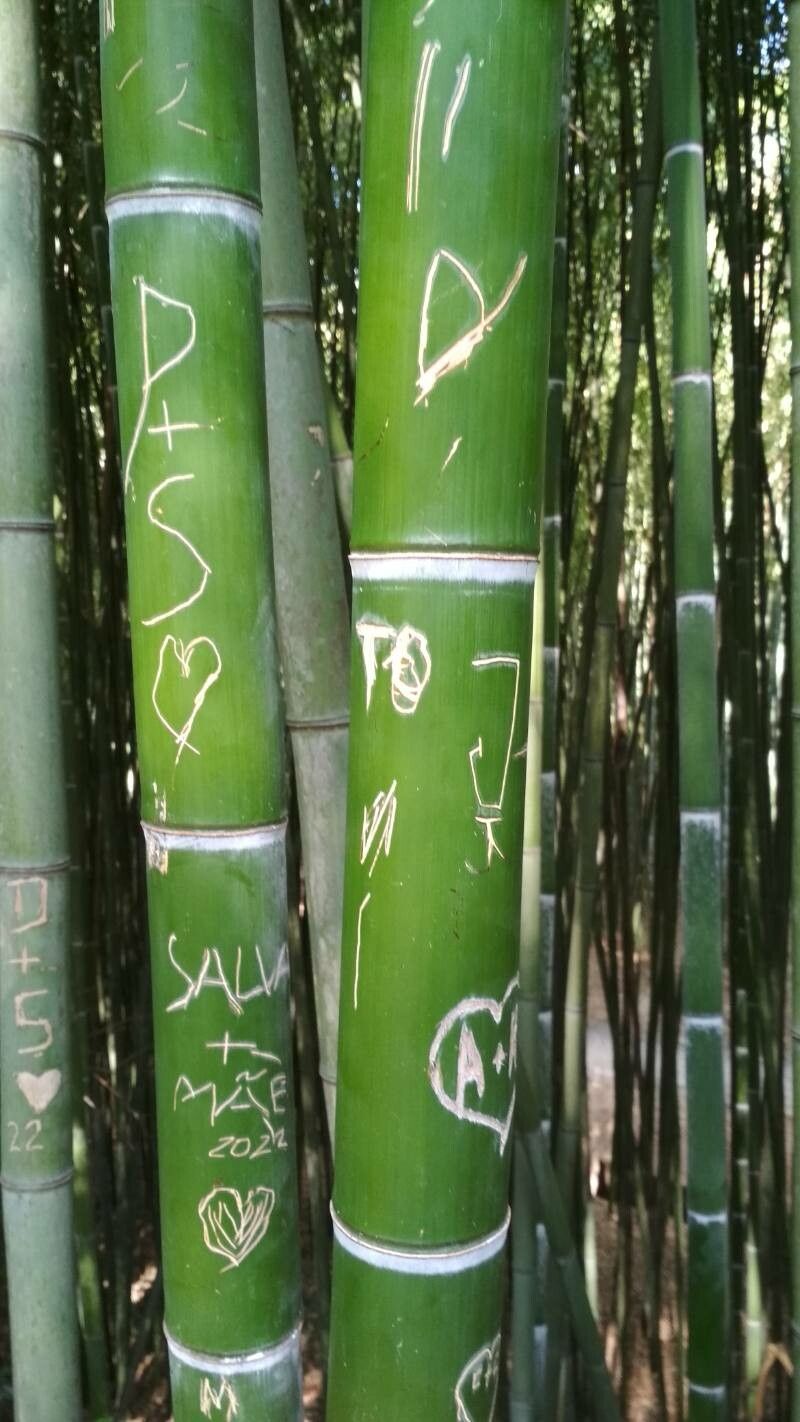
Hello there, fellow plant lovers! Today, we’re diving into the wonderful world of Bamboo, specifically Phyllostachys reticulata – also known as the Japanese Timber Bamboo. If you’re drawn to the graceful sway of these majestic giants, the whisper of their leaves in the breeze, and the lush green escape they create, then you’re in for a treat. Propagating this beauty is not only incredibly rewarding but also a fantastic way to share its magic. And for those wondering, while it takes a little patience, I find Phyllostachys reticulata to be quite forgiving once you get the hang of it. You’ll feel like a plant wizard in no time!
The Best Time to Start
Timing is everything with gardening, and for bamboo, you’ll have the most success when the plant is actively growing but not stressed. I always reach for my tools in late spring or early summer. This is when the plant has stored up plenty of energy from the warmer weather and longer days, giving your new propagations a robust start. Avoid trying this when the plant is dormant in winter or during a heatwave.
Supplies You’ll Need
Before we get our hands dirty, let’s gather our essentials. Having everything ready beforehand makes the process so much smoother.
- Sharp Pruning Shears or a Saw: For clean cuts.
- A Spade or Shovel: For division.
- Well-Draining Potting Mix: A mix formulated for bamboo or a general good-quality potting soil with added perlite or sand is perfect.
- Rooting Hormone (Optional but Recommended): This really gives your cuttings a boost.
- Small Pots or Trays: For your new plantlets.
- Watering Can or Spray Bottle: For gentle watering.
- Gloves: Bamboo can sometimes have sharp edges.
- A Ziploc Bag or Small Greenhouse (for stem cuttings): To maintain humidity.
Propagation Methods
There are a couple of ways you can coax new life from your existing bamboo. I usually lean towards division because it’s incredibly effective for larger, established clumps.
Method 1: Division (The Most Reliable Way)
This is like giving your bamboo a gentle haircut and getting a bonus plant out of it!
- Prepare Your Bamboo: Ensure your bamboo is well-watered a day or two before you plan to divide. This helps it recover from the shock.
- Excavate Carefully: Using a sharp spade or shovel, carefully dig around the perimeter of the bamboo clump. You want to loosen a section of the rhizome (the underground stem) that has at least one healthy culm (stalk) attached. Aim for a piece that’s about 1-2 feet across.
- Separate the Rhizome: Gently pry the loosened section away from the main plant. If it’s stubborn, you might need to use your spade to carefully cut through thicker rhizomes.
- Inspect and Trim: Look at your new division. It should have a good portion of rhizome and a healthy culm. Trim away any damaged roots or overly long rhizomes.
- Pot Up: Plant your division in a pot filled with your well-draining potting mix. Ensure the top of the rhizome is just below the soil surface.
- Water Thoroughly: Give it a good watering to settle the soil around the roots.
Method 2: Stem Cuttings (For the Adventurous)
This method is a bit more delicate but can yield great results, especially if you want to try a few different spots.
- Select a Healthy Culm: Choose a young, semi-hardwood culm – one that’s green but starting to firm up, usually a few months old. Look for one with several nodes (the segmented parts).
- Make Your Cuts: Using your sharp pruning shears, take cuttings that are about 6-12 inches long. Make a cut just below a node. Each cutting should have at least two nodes.
- Prepare the Cutting: Remove all but the top one or two leaves. If the remaining leaves are large, cut them in half to reduce water loss.
- Apply Rooting Hormone (Optional): Dip the cut end of the culm into rooting hormone powder or liquid. Tap off any excess.
- Plant Your Cuttings: You can try planting these directly into pots filled with moist potting mix, or for higher success, place them in a shallow tray of water. If planting in soil, insert the cut end about an inch or two deep, ensuring at least one node is buried.
- Create a Humid Environment: If planting in soil, cover the pot with a clear plastic bag (creating a mini-greenhouse) or place the tray of cuttings in a larger enclosed propagator.
The “Secret Sauce” (Pro Tips)
Over the years, I’ve learned a few little tricks that really make a difference.
- Don’t Be Afraid of the “Sacrifice”: When dividing, I often choose a rhizome section that’s a bit overgrown or encroaching on something else. It feels less daunting to take a piece when you’re already addressing a garden need.
- Bottom Heat is Your Friend (for cuttings): If you’re using stem cuttings, placing your pots or trays on a seedling heat mat can significantly speed up root development. It mimics the warmth of the soil in summer and gives those dormant buds the encouragement they need.
- Cleanliness is Key: Always use clean tools when you’re propagating. This prevents the introduction of diseases that can quickly spoil your efforts.
Aftercare & Troubleshooting
Once your new bamboo babies are potted up, it’s time to show them some TLC.
- Watering: Keep the soil consistently moist but not soggy. For divided plants, water them well after planting and then check regularly. For stem cuttings, mist them daily or ensure the water level is maintained if doing water propagation.
- Light: Place your new propagations in a spot with bright, indirect light. Avoid direct, harsh sun, which can scorch young plants or dry out cuttings too quickly.
- Patience is Paramount: Rooting can take time. For divisions, you’ll see new culm shoots appearing within a few weeks to a couple of months. For stem cuttings, be patient; you might not see new growth for several weeks or even a couple of months. Gently tugging on a cutting (very gently!) can give you a slight resistance if roots have formed.
The most common sign of failure, especially with stem cuttings, is rot. If your cutting turns mushy or develops black spots, it’s likely succumbed to excess moisture or a fungal issue. If this happens, discard it and try again, perhaps with slightly less moisture or better air circulation. For divisions, if the culms start to wither and dry out completely without any signs of new growth, it might mean the division was too small or didn’t have enough viable root system.
A Little Encouragement to Finish
Creating new life from your beloved plants is one of the most satisfying parts of gardening. It takes a bit of effort, a dash of patience, and a whole lot of love. Don’t be discouraged if your first attempt isn’t perfect – that’s how we all learn! Enjoy the process, celebrate every tiny green shoot, and soon you’ll be surrounded by even more of that wonderful Phyllostachys reticulata magic. Happy propagating!
Resource: