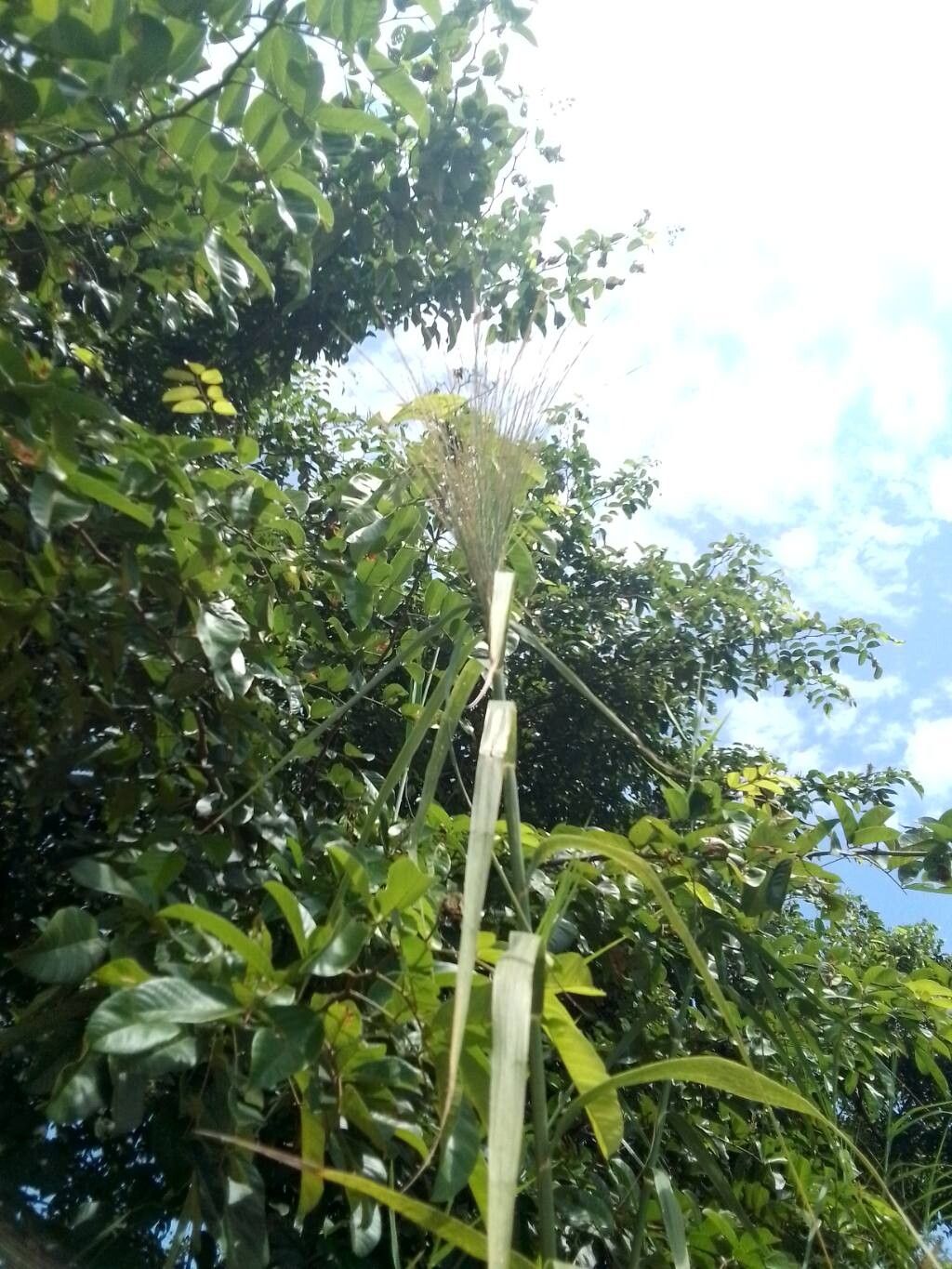
Hello dear gardeners! It’s lovely to have you join me today. We’re going to dive into the wonderful world of propagating Phragmites karka, also known as giant reed or common reed. Now, if you’ve ever seen this majestic grass gracing a wetland or a pond edge, you know its appeal. Its tall, architectural stalks and feathery plumes add such drama and movement to a garden. And the best part? Propagating it yourself is a hugely rewarding experience. For beginners, I’d say Phragmites karka is a moderately easy plant to get started with. It’s forgiving and really eager to grow once it gets going!
The Best Time to Start
For the highest success rate, I always find late spring to early summer is your golden window. This is when the plant is actively growing and has plenty of energy to put into establishing new roots. You can also try propagating in early autumn, just as the plant’s growth is slowing down but before the hard frosts arrive. We’re looking for healthy, vigorous stems.
Supplies You’ll Need
Gathering your supplies beforehand makes the whole process so much smoother. Here’s what I recommend:
- Sharp pruning shears or a clean, sharp knife: For making nice, clean cuts.
- Rooting hormone (optional but helpful): A powder or gel can give cuttings a real boost.
- Well-draining potting mix: A good blend for me is roughly 50% compost and 50% perlite or coarse sand. This prevents waterlogging.
- Small pots or containers: Clean ones, please!
- Watering can with a fine rose: For gentle watering.
- Plastic bags or a clear propagation lid: To create a humid environment.
- Labels: To keep track of what you’ve planted and when!
Propagation Methods
There are a few ways into the heart of Phragmites karka propagation, but my go-to methods are stem cuttings and division.
Stem Cuttings
This is a popular and effective method.
- Select your stems: Choose healthy, mature stems from your established plant. Look for ones that are at least pencil-thick and show no signs of disease or damage.
- Make your cuts: Using your sharp shears, cut sections of stem that are about 6-12 inches long. Make your cuts just below a node (the bump on the stem where leaves or buds emerge). You want at least two or three nodes on each cutting.
- Prepare the cuttings: Tidy up your cuttings. Remove any leaves from the bottom two-thirds of the stem, making sure to leave at least one or two leaves at the top. This is important!
- Apply rooting hormone (if using): Lightly dip the cut end of each stem into your rooting hormone powder or gel. Tap off any excess.
- Plant your cuttings: Fill your clean pots with your well-draining potting mix. Make a hole in the center of the soil with a pencil or your finger. Gently insert the cut end of each stem into the hole, ensuring at least one node is buried beneath the surface.
- Water gently: Water the soil thoroughly but gently.
- Create humidity: Cover the pots loosely with a plastic bag or a clear propagation lid. This creates a mini-greenhouse effect, keeping the humidity high, which is crucial for cuttings to root. Place these in a bright spot, but out of direct, harsh sunlight.
Division
If you have an established clump, this is an excellent way to expand your collection.
- Excavate the clump: In late spring or early autumn, carefully dig up the entire clump of Phragmites karka. A garden fork is your best friend here!
- Separate the divisions: Gently pull or use your sharp knife to divide the clump into smaller sections. Each section should have at least one strong, healthy shoot and a good portion of root attached.
- Replant immediately: Dig new holes in your garden or in pots filled with good soil. Plant the divisions so that the crown (where the stems emerge from the roots) is at soil level.
- Water well: Water the newly planted divisions thoroughly.
The “Secret Sauce” (Pro Tips)
Here are a couple of tricks I’ve learned over the years that really make a difference:
- Think about a little bottom heat! If you’re struggling with cuttings taking too long, placing your pots on a gentle heated propagator mat can significantly speed up root development. It mimics the warmth of spring soil. Just make sure it’s not too hot – a gentle warmth is what we’re after.
- Don’t let the leaves touch the water (if you try water propagation): While I primarily advocate for soil cuttings, some folks try water propagation for reeds. If you do, it’s critical that the leaves at the top never dip into the water. Only the submerged part of the stem should be in contact with the water. Leaves sitting in water tend to rot, which will kill your cutting before it even has a chance to root.
Aftercare & Troubleshooting
Once your cuttings have developed a good root system (this can take anywhere from a few weeks to a couple of months – be patient!), it’s time to reduce the humidity you’ve been providing. Gradually remove the plastic bag or lid over a few days.
Water them regularly, especially during dry spells, but always ensure the soil drains well. You’ll know your cuttings have rooted when you see new growth appearing and they feel a bit more stable when gently tugged.
The most common problem you might encounter is rot. This is usually a sign of overwatering or poor drainage. If you see mushy stems or a foul smell, unfortunately, that cutting is likely a loss. It’s a good reminder to always err on the side of slightly drier soil rather than constantly soggy conditions. If your cuttings start to look yellow and sad, check your watering schedule and light exposure.
A Encouraging Closing
Propagating Phragmites karka is such a satisfying journey. It’s a chance to connect with nature, learn patience, and fill your garden with the beauty of this magnificent grass. Don’t be discouraged if not every cutting takes. Gardening is a dance of trial and error, and each experience teaches us something new. So, get your hands dirty, embrace the process, and enjoy the magic of new life! Happy gardening!
Resource: