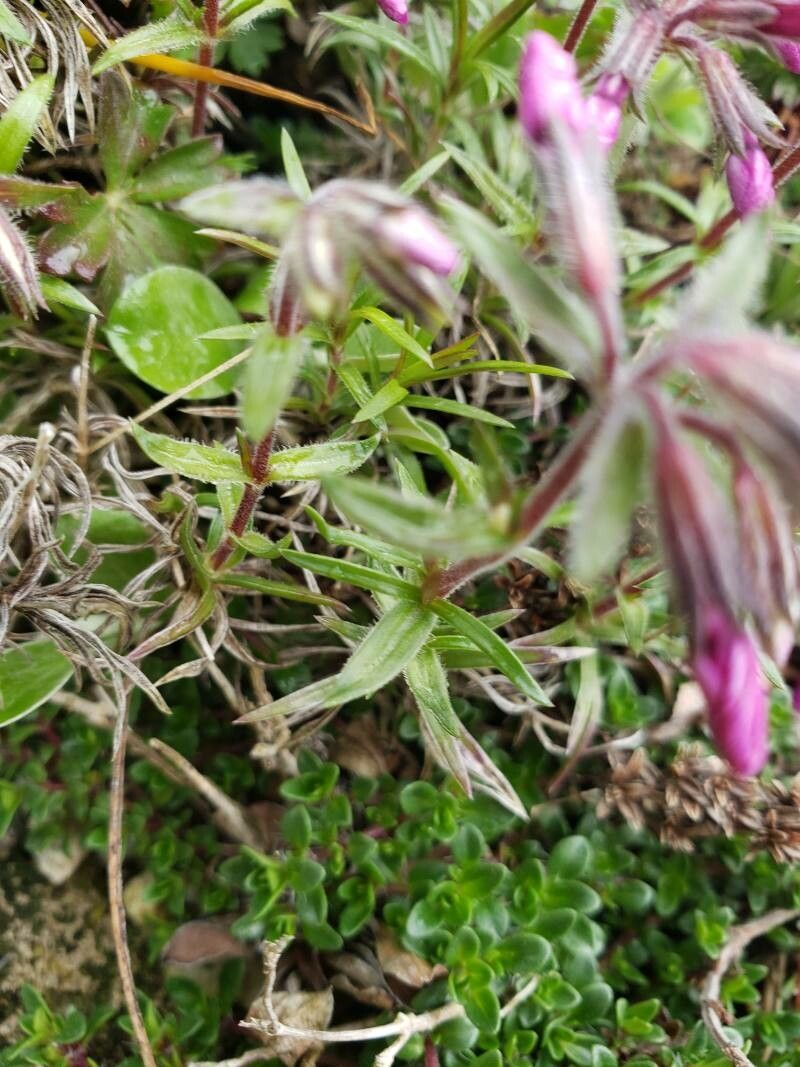
Oh, Phlox amoena! If you’ve ever seen these charming little groundcovers carpeting a garden in masses of cheerful pink, you’ve probably fallen a little bit in love. They’re just so delightful, aren’t they? Spreading out low and wide, bringing a burst of color early in the season. And the best part? They’re surprisingly easy to share! Propagating Phlox amoena is a genuinely rewarding experience, and I’m here to walk you through it. Even if you’re just dipping your toes into the world of plant propagation, you’ll find this is a wonderfully forgiving plant to learn with.
The Best Time to Start
For Phlox amoena, timing is key, and the sweet spot is really late spring to early summer. That’s when the plant is actively growing, so it has plenty of energy to channel into making new roots. You’re looking for stems that are semi-ripe – they’ll be firm enough to hold their shape but not so woody that they’re stiff. Think of it like a pencil; firm, but with a little give.
Supplies You’ll Need
Gathering your tools beforehand makes the whole process so much smoother. Here’s what I recommend:
- Sharp pruning shears or a sharp knife: Clean cuts are crucial for healthy healing and root development.
- Potting mix: A good quality, well-draining sterile potting mix is essential. I often use a blend of equal parts peat moss or coco coir and perlite or coarse sand.
- Small pots or trays: Clean pots with drainage holes are a must.
- Rooting hormone (optional, but helpful): This isn’t strictly necessary for Phlox amoena, as they’re pretty good at rooting, but it can certainly speed things up. Look for a powder or gel.
- Plastic bags or a propagation dome: To create a humid environment.
- Watering can or spray bottle: For gentle watering.
- Labels: So you don’t forget what you’ve planted where!
Propagation Methods
Phlox amoena is a trooper, and it’s quite adaptable. While division is usually the easiest, taking stem cuttings is also quite successful and a great way to get more plants.
Stem Cuttings
This is my go-to for expanding my collection. It’s so satisfying to see a little twig transform into a whole new plant!
- Take your cuttings: In late spring or early summer, find healthy, non-flowering shoots. Using your sharp shears, cut stems about 3-4 inches long. Make the cut just below a leaf node (where a leaf attaches to the stem).
- Prepare the cuttings: Gently remove the leaves from the bottom half of each cutting. If the remaining leaves are very large, I like to cut them in half horizontally to reduce water loss through transpiration.
- Apply rooting hormone (if using): Dip the cut end of each stem into the rooting hormone, tapping off any excess.
- Plant the cuttings: Fill your small pots or trays with your moist potting mix. Make a small hole with your finger or a pencil. Insert the cut end of the stem into the hole, ensuring at least one leaf node is below the soil line. Gently firm the soil around the cutting.
- Water gently: Give the soil a light watering, just enough to settle it in.
- Create humidity: Cover the pots with a clear plastic bag, ensuring the leaves don’t touch the plastic, or place them inside a propagation dome. This creates a mini-greenhouse effect.
- Place in a bright spot: Put the pots in a location that receives bright, indirect light. Avoid direct sun, which can scorch the tender cuttings.
Division
This is probably the most straightforward method, especially for established clumps. It’s best done in early spring as new growth emerges, or in fall after the plant has finished flowering.
- Gently unearth the clump: Carefully dig up the established Phlox amoena plant. Try not to disturb the roots too much.
- Separate the divisions: You can usually see where the plant has naturally formed offsets or weaker sections. Use your hands or a clean trowel to gently split the root ball into smaller sections. Each division should have healthy roots and some new shoots.
- Replant immediately: Plant the divisions in your prepared garden beds or in pots with fresh, well-draining soil. Make sure the crown (where the roots meet the shoots) is at soil level.
- Water thoroughly: Water the newly planted divisions well to help settle the soil.
The “Secret Sauce” (Pro Tips)
After years of playing in the dirt, a few little tricks always seem to make a difference.
- Bottom heat is your friend: If you’re serious about speeding up rooting, especially with cuttings, placing your pots on a gentle heat mat can be a game-changer. It encourages root development from below without cooking the shoots above.
- Don’t let the leaves touch the water: This is a big one for water propagation (though I lean towards cuttings in soil for Phlox amoena). If you do decide to root in water, make sure no leaves are submerged. Submerged foliage tends to rot, which can then spread to the entire cutting.
- Sterilize everything: This might sound tedious, but a quick clean with soapy water and then a rinse with diluted bleach or rubbing alcohol for your tools and pots makes a world of difference. It significantly reduces the risk of fungal diseases and rot, which are the bane of propagation.
Aftercare & Troubleshooting
Once you start seeing those little roots probing the soil (you can often tell by a new flush of growth or, if the pot is clear, by seeing roots at the bottom), it’s time for a little extra care.
Continue to keep the soil moist but not waterlogged. As the new plants strengthen, you can gradually start to acclimate them to less humid conditions by opening up the plastic bags or propagation dome a bit more each day. Once they are clearly growing well and have a good root system, you can transplant them into slightly larger pots or their permanent garden homes.
Now, what if things go wrong? The most common culprit is rot. If your cuttings turn mushy and black at the base, it’s usually a sign of too much moisture and not enough airflow. In this case, it’s often best to discard the affected cuttings to prevent it from spreading. Overwatering is the usual cause, so ease up on the watering can. If your cuttings are just shriveling up and look dry, they might need more humidity, so re-cover them. Patience is key here – sometimes things take a little longer than we expect.
A Encouraging Closing
Growing new plants from cuttings or divisions is a wonderfully satisfying journey. It’s a chance to connect with the natural world, to nurture life, and to fill your garden with more of what you love. Be patient with your Phlox amoena; they’re keen to grow, but sometimes they like to take their time. Enjoy the process, celebrate every tiny new root, and before you know it, you’ll have an abundance of these charming blooms to share with friends and neighbors. Happy propagating!
Resource:
https://identify.plantnet.org/k-world-flora/species/Phlox%20amoena%20Sims/data