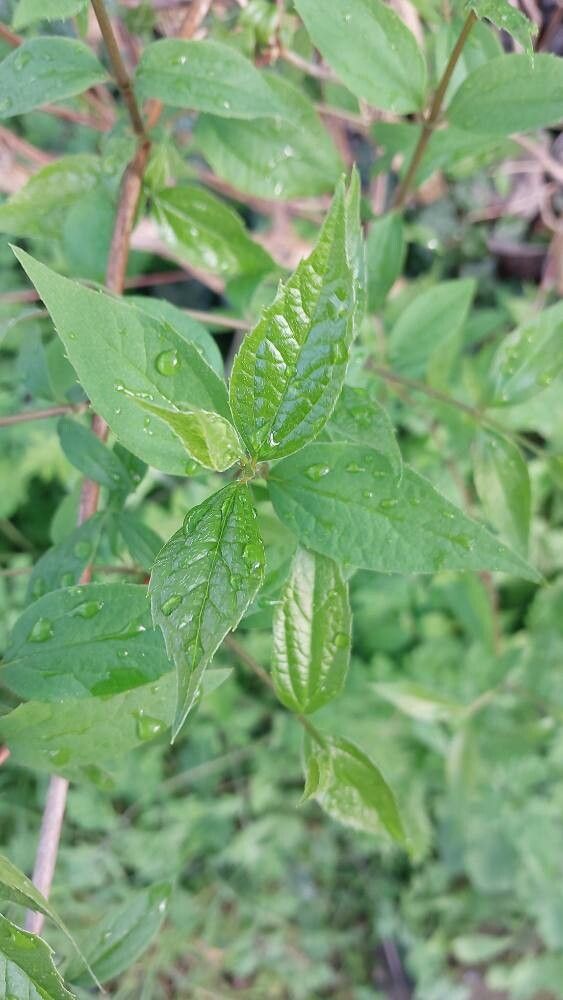
Oh, hello there! Pull up a chair and let’s chat about a truly delightful shrub: Philadelphus satsumi, or as it’s lovingly known, a Mock Orange. If you’re drawn to those heavenly, sweet-scented white blooms that perfume the spring air, then you’re already halfway there to appreciating this gem. Propagating your own Philadelphus satsumi is a wonderfully rewarding way to share its beauty or simply expand your collection without a hefty nursery bill. For those of you just dipping your toes into the world of plant propagation, I’m happy to say this one is quite forgiving. You’ve got a good chance of success!
The Best Time to Start
My personal favorite time to get hands-on with Philadelphus satsumi for propagation is late spring to early summer. This is when the plant is actively growing and the new stems, which we call softwood cuttings, are supple and full of life. They haven’t hardened off into tough wood yet, which makes them ideal for taking root. Aim for stems that are green and flexible, but not floppy.
Supplies You’ll Need
Before we get our hands dirty, let’s gather our tools. Think of this as your propagation toolkit:
- Sharp Pruning Shears or a Clean Knife: For making clean cuts. Rust is the enemy here!
- Rooting Hormone (Optional, but helpful): This little powder or gel encourages faster, stronger root development.
- Potting Mix: A light, airy mix is essential. I like to use a blend of peat moss and perlite (50/50), or you can buy a specialized seedling or propagation mix.
- Small Pots or Trays: With drainage holes, of course! Little 3-4 inch pots usually do the trick.
- Plastic Bags or a Propagator Lid: To create a humid environment.
- Watering Can or Spray Bottle: For gentle watering.
- Location: A bright spot with indirect sunlight.
Propagation Methods
Let’s get down to business! I find softwood stem cuttings to be the most reliable and straightforward method for Philadelphus satsumi.
Stem Cuttings:
- Find Your Stems: Look for healthy, current season’s growth on your mature Mock Orange. You want stems that are about the thickness of a pencil and about 4-6 inches long.
- Make the Cut: Using your sharp shears, take cuttings from the tip of a healthy stem. Make the cut just below a leaf node (where a leaf attaches to the stem). This is where the magic happens for root formation.
- Prepare the Cuttings: Gently remove the lower leaves from the cutting, leaving just the top cluster of leaves. This prevents leaves from rotting in the soil and reduces water loss. If your leaves are quite large, you can even cut them in half horizontally to further reduce transpiration.
- Apply Rooting Hormone (If using): Dip the cut end of the stem into the rooting hormone powder or gel. Tap off any excess.
- Plant the Cuttings: Fill your pots with your prepared potting mix. Make a hole with your finger or a pencil in the center of the soil. Gently insert the cutting into the hole, making sure the leaf nodes are buried in the soil. Firm the soil gently around the base of the cutting.
- Water Gently: Water the soil thoroughly but gently. You don’t want to dislodge your precious cuttings.
- Create Humidity: Now, the crucial step! Cover the pot with a clear plastic bag or place it inside a propagator with a lid. This traps moisture and creates a mini-greenhouse. Make sure the leaves don’t touch the plastic. You might need to use stakes to keep the bag from collapsing.
- Find a Good Spot: Place your pots in a bright location where they’ll receive plenty of indirect light. Avoid direct sun, which can scorch the young cuttings.
The “Secret Sauce” (Pro Tips)
Here are a few little tricks I’ve picked up over the years that really boost success:
- Bottom Heat is Your Friend: If you have a heated propagator or can place your pots on a heat mat, it makes a world of difference. Warm soil encourages roots to form much faster and more readily. Just a gentle warmth is all you need.
- Don’t Drown Them! While humidity is key, soggy soil is an invitation for rot. Make sure your pots have excellent drainage, and only water when the top inch of soil feels dry to the touch. It’s better to be slightly dry than waterlogged.
- Patience is a Virtue (and a Necessity): Rooting can take anywhere from 4 to 8 weeks, sometimes even longer. Resist the urge to tug at your cuttings to check for roots. Trust the process!
Aftercare & Troubleshooting
Once you start seeing new leafy growth on your cuttings, that’s a fantastic sign! It means they’ve likely put down roots. You can gently try to pull on a cutting; if it resists, you’ve got roots!
Now, it’s time for gradual acclimatization. Start by opening the plastic bag for a few hours each day, and slowly increase the time until you can remove it completely. Continue to water as needed, keeping the soil consistently moist but not soggy. Once they have a good root system and are actively growing, you can transplant them into slightly larger pots with regular potting soil.
What if things go wrong? The most common culprit is rot. If your cuttings turn mushy, black, or slimy, it’s usually a sign of too much moisture or not enough air circulation. Unfortunately, if rot sets in, it’s hard to save them. Always err on the side of slightly drier soil and good airflow. If a cutting simply fails to root, don’t despair – just try again with a fresh batch!
A Encouraging Closing
So there you have it! Philadelphus satsumi is a wonderful plant to propagate, and with a little patience and care, you’ll be rewarded with your very own fragrant blooms. Enjoy the process, learn from each attempt, and before you know it, you’ll have a whole garden full of these sweet-scented beauties. Happy gardening!
Resource: