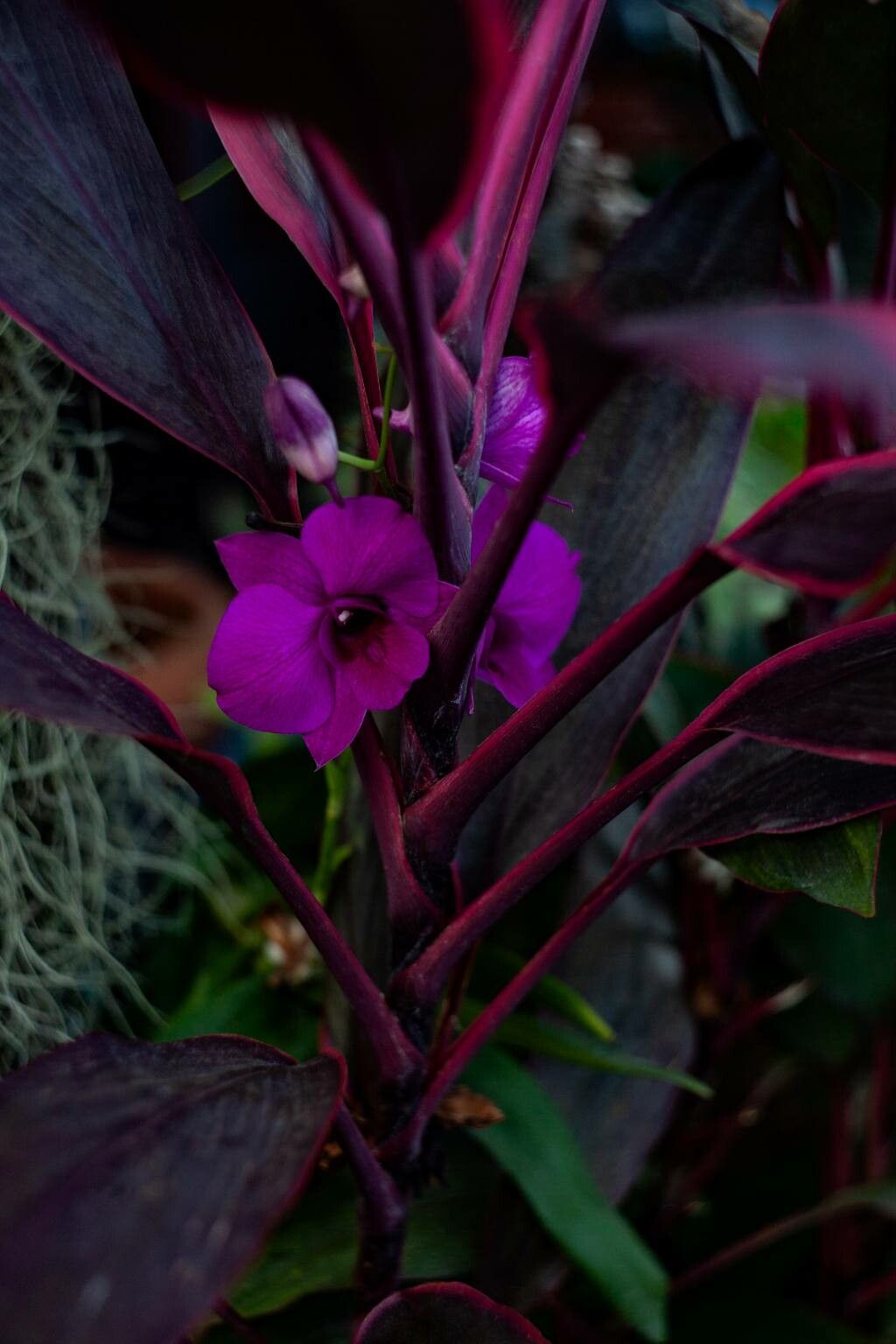
Hello my fellow plant enthusiasts! Today, we’re diving into the delightful world of propagating Phalaenopsis aphrodite, often simply called the Angel Face orchid. I’ve spent a good chunk of my gardening life with these beauties, and trust me, watching a new orchid sprout from your own efforts is a special kind of magic.
Phalaenopsis aphrodite is a real charmer with its pristine white blooms and graceful arching flower spikes. It’s the kind of orchid that feels both elegant and approachable. The thought of creating more of these little wonders from an established plant is incredibly rewarding. Now, let me be honest right upfront: while not as forgiving as, say, a pothos, propagating Phalaenopsis can be a really satisfying project for a beginner who’s willing to pay a little extra attention. It’s a step up, but a manageable and exciting one!
The Best Time to Start
For our Phalaenopsis orchids, the sweet spot for propagation is typically after the plant has finished blooming and is entering its active growth phase. This usually happens in late spring or early summer. Your orchid will be energized and ready to put its resources into new growth, making it much more receptive to the propagation process. You’ll often see new aerial roots starting to emerge at this time, which is a fantastic sign!
Supplies You’ll Need
Gathering your supplies before you begin will make the whole process smoother. Here’s what I usually have on hand:
- Sharp, sterile pruning shears or a clean knife: Essential for making clean cuts. I always sterilize mine with rubbing alcohol.
- Potting medium: A specialized orchid bark mix is best. You can also use a blend of sphagnum moss and perlite for better moisture retention.
- Small pots or containers: Clean, shallow pots are ideal for new cuttings.
- Rooting hormone (optional but recommended): A little bit can give your cutting a helpful boost.
- Clear plastic bag or a small propagatior: To maintain humidity around the cutting.
- Activated charcoal (optional): A tiny pinch mixed into the potting medium can help prevent fungal issues.
- Water: Preferably distilled or rainwater.
Propagation Methods
The most common and effective way to propagate Phalaenopsis aphrodite is through stem cuttings, specifically focusing on what we call “keikis.”
Propagating Keikis (Baby Plants):
Phalaenopsis orchids sometimes produce “keikis” – which is Hawaiian for “baby” – along their flower spikes or even from the base of the plant. These are essentially miniature versions of the mother plant. This is the easiest way to get a new Phalaenopsis!
- Identify a healthy keiki: Look for a small plant growing on the flower spike. It should have at least two to three small leaves and, ideally, developing aerial roots that are at least an inch long.
- Gently remove the keiki: Using your sterile shears, carefully cut the flower spike just below the keiki, making sure to include some of the spike directly attached to the keiki. You want to get as much of the keiki’s base connection as possible.
- Allow it to callus: Let the cut end of the keiki dry and callus over for a day or two. This is a crucial step to prevent rot. You can place it on a paper towel in a dry, airy spot.
- Potting it up: Once callused, gently place the keiki in its own small pot filled with your orchid bark mix. The base of the keiki should be at the surface of the mix. You might need to gently support it with a small stake or even some pebbles if it’s wobbly.
- Initial watering: Lightly water the potting mix. Don’t soak it; we want it just moist.
Water Propagation (Less Common for Phals, but doable if you have a really strong spike):
If you don’t have a keiki but have a healthy, mature Phalaenopsis with a spike, you can sometimes encourage root development on the spike itself, but this requires more patience and less guaranteed success.
- Select a healthy flower spike: Choose a spike that has finished blooming and shows signs of new growth or nodes that look plump.
- Make a cut: With your sterile shears, cut the spike above a node (those little bumps along the stem). Make the cut at a slight angle.
- Place in water: Put the cut end of the spike into a clean jar or vase filled with distilled or rainwater.
- Change water regularly: Change the water every few days to keep it fresh and prevent bacterial growth.
- Patience is key: Keep it in a bright, indirect light location. Roots can take weeks or even months to develop. Once you have at least an inch of strong roots, you can carefully pot it up as described above.
The “Secret Sauce” (Pro Tips)
Over the years, I’ve learned a few tricks that make a big difference.
- The “Don’t Let the Leaves Touch the Water” Rule: For any water propagation, whether it’s a keiki or a spike, always make sure the leaves themselves are never submerged in water. Only the cut end of the stem or spike should be in contact with the water. This prevents leaf rot, which is a quick way to lose your precious cutting.
- Humidity is Your Friend (but not sogginess!): For potted keikis, creating a humid environment is delightful. I like to loosely tent a clear plastic bag over the pot, or use a small propagatior. This traps moisture without making the medium soggy. Open it daily for a good airing to prevent fungal issues.
- Warmth Encourages Roots: New root growth often loves a little gentle warmth. Placing your propagations in a spot that gets consistent, mild bottom heat (like on top of a gently warmed seedling mat, not hot!) can really encourage those roots to get going.
Aftercare & Troubleshooting
Once your keiki has established roots and you’ve potted it up, it’s time for gentle care.
- Keep it moist but not wet: Water as you would a mature orchid, but be a bit more conservative. Let the potting medium dry out slightly between waterings.
- Bright, indirect light: Protect new orchids from harsh, direct sun. They prefer bright, filtered light.
- Avoid fertilizing too soon: Wait until you see new leaf growth on your propagated plant before you start feeding it with a very diluted orchid fertilizer.
Now, what if things go wrong? The most common culprit is rot. If you see your keiki or cutting turning mushy, black, or developing a foul smell, that’s a sign of rot. This usually happens from too much moisture and poor air circulation. If you spot it early, you might be able to cut away the rotted parts with your sterile shears, let the healthy part callus, and try again. Sometimes, unfortunatey, it’s a sign the cutting wasn’t strong enough to begin with. Don’t be discouraged! It happens to all of us.
A Little Patience Goes a Long Way
Propagating orchids is a journey that teaches you the virtue of patience. Watching that tiny baby plant slowly develop its roots and new leaves is such a rewarding experience. Enjoy the process, celebrate the successes, and learn from the inevitable bumps along the way. Happy propagating!
Resource:
https://identify.plantnet.org/k-world-flora/species/Phalaenopsis%20aphrodite%20Rchb.f./data