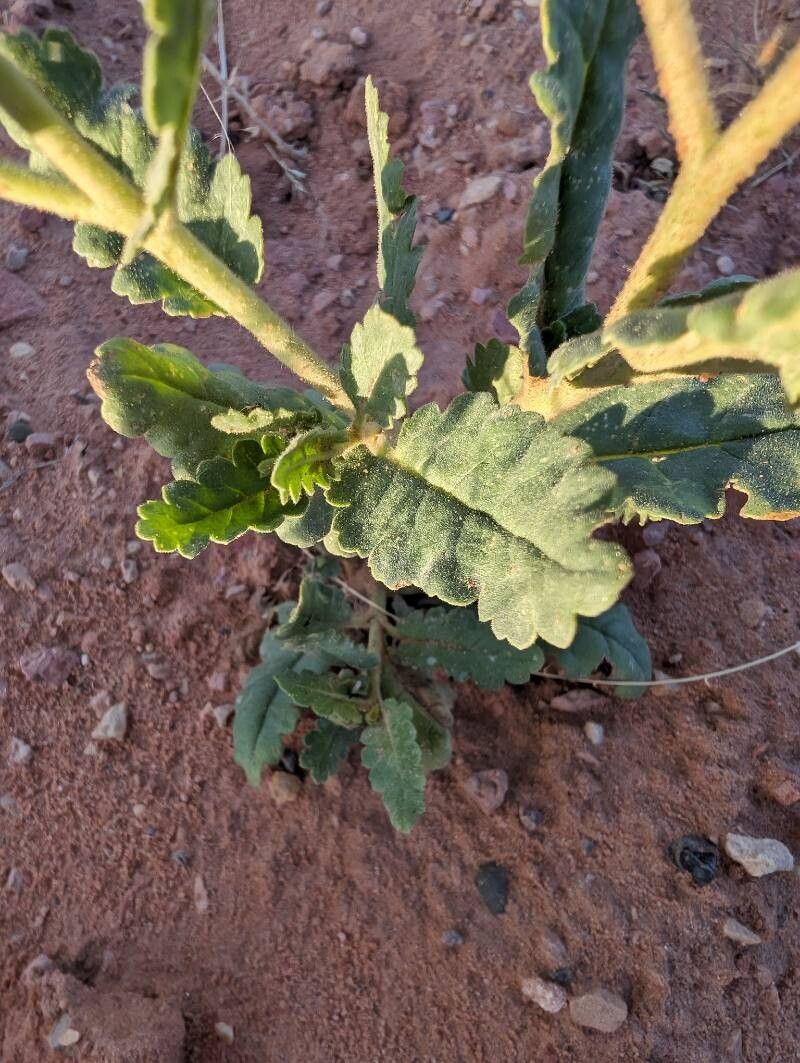
Ah, Phacelia! I’ll bet you’ve fallen for those beautiful, often intensely blue, bell-shaped flowers. They’re like little jewels in the garden, aren’t they? And the bees adoooore them. The satisfaction of growing more of these beauties from something you already have is just… well, it’s magic. If you’re new to the gardening party, I’m happy to report that Phacelia integrifolia is surprisingly generous when it comes to propagation. You’ll likely find it quite forgiving.
The Best Time to Start
For the highest success rate with Phacelia, I always aim to start either from seed in early spring or take cuttings from healthy, actively growing plants in late spring to early summer. This is when they have plenty of energy to put into new growth and root development. You want to catch them when they’re vibrant and not stressed by heat or drought.
Supplies You’ll Need
Here’s what I keep handy when I’m propagating:
- Sharp pruning shears or a clean craft knife: For making clean cuts.
- Small pots or seed trays: Clean ones are a must to prevent disease.
- A good quality potting mix: I like a well-draining mix, often one with perlite or horticultural sand added. For Phacelia, something akin to a succulent mix works well.
- Rooting hormone (optional but helpful): Especially for cuttings, this can give them a real boost.
- A spray bottle: For misting.
- A clear plastic bag or a propagator lid: To create a humid environment for cuttings.
- A sunny windowsill or a grow light: Young plants need light!
- If doing seed propagation: a heat mat (optional).
Propagation Methods
Phacelia integrifolia is a bit more cooperative with seeds, but cuttings can also work quite well.
From Seed (My Favorite for this one!)
- Gather your seeds: If you’re collecting from established plants, wait until the flower stalks have dried and the seed pods have formed. You can gently rub the pods to extract the tiny seeds.
- Prepare your trays: Fill clean seed trays with your well-draining potting mix.
- Sow the seeds: Scatter the seeds thinly on the surface of the soil. You don’t need to bury them deeply; just a very light dusting of soil is fine. They love a bit of light to germinate.
- Water gently: Use your spray bottle to moisten the soil surface thoroughly. Avoid blasting them with water.
- Provide warmth and light: Place the trays in a warm spot, ideally around 65-70°F (18-21°C). A bit of bottom heat from a heat mat can speed things up considerably. They’ll need bright, indirect light once they show signs of germination.
- Be patient: Germination can take anywhere from 7 to 21 days, depending on the conditions.
- Thin and transplant: Once the seedlings have a couple of sets of true leaves, and they look strong enough, you can gently thin them out or transplant them into individual small pots. Handle those delicate roots with care!
From Stem Cuttings
- Choose your cuttings: Select healthy, non-flowering stems from a mature plant. Look for stems that are about 3-4 inches long.
- Make the cut: Using your sharp shears or knife, make a clean cut just below a leaf node (where a leaf attaches to the stem). Remove the lower leaves, leaving only a few at the top.
- Apply rooting hormone (optional): Dip the cut end into rooting hormone, tapping off any excess.
- Pot them up: Fill small pots with your well-draining potting mix and make a small hole with your finger or a pencil. Insert the cutting, gently firming the soil around it.
- Create humidity: Water the cuttings gently and then cover the pot with a clear plastic bag or a propagator lid. This traps moisture, which is crucial for root formation.
- Place in bright, indirect light: Keep them out of direct sun at this stage.
- Check for roots: After a few weeks, you can gently tug on a cutting. If there’s resistance, you have roots!
The “Secret Sauce” (Pro Tips)
- Don’t overcrowd when sowing seeds. I know it’s tempting, but giving those little seedlings room to breathe from the start prevents competition and makes transplanting much easier.
- For cuttings, avoid letting the leaves touch the water in the pot when you water. This can encourage rot. I usually water the soil directly.
- Bottom heat is a game-changer for seed germination. If you’re serious about starting from seed, a simple seedling heat mat makes a huge difference in speed and success rates.
Aftercare & Troubleshooting
Once your seedlings have developed a good root system and look robust (this is usually when they have several sets of true leaves), you can gradually acclimate them to less humid conditions. Remove the plastic bag for a few hours each day, increasing the time until they’re fully weaned. Water them when the top inch of soil feels dry.
The biggest enemy here is overwatering and poor drainage, which can lead to rot. If your cuttings look yellow and limp, or if your seedlings collapse at the base, that’s usually a sign of too much moisture and not enough air circulation. Ensure your potting mix is airy, and don’t let them sit in soggy soil. If you see any signs of damping off (a fuzzy gray mold at the base of the stem), unfortunately, it’s best to discard affected plants to prevent it from spreading.
A Encouraging Closing
Happy propagating! Remember, gardening is a journey of learning and experimentation. Sometimes things don’t work out perfectly, and that’s okay. Just enjoy the process of nurturing new life, and before you know it, you’ll have a whole patch of gorgeous Phacelia to share with your friends (and the bees, of course!).
Resource:
https://identify.plantnet.org/k-world-flora/species/Phacelia%20integrifolia%20Torr./data