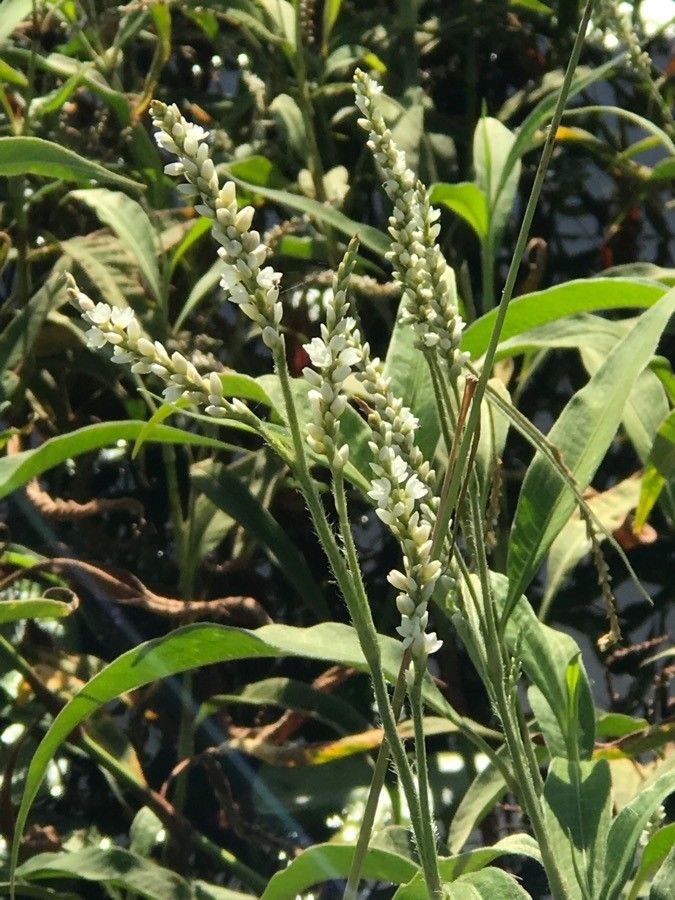
Hello, fellow garden enthusiasts! Today, we’re going to dive into the wonderful world of Persicaria attenuata, a plant I’ve grown to adore over the years. If you’re drawn to its graceful architecture and the way it dances in the breeze, you’re in for a treat. Propagating it is a path to more of those beauties, and let me tell you, it’s incredibly rewarding to watch a tiny cutting transform into a thriving new plant. For beginners? I’d say Persicaria attenuata is quite forgiving, making it a fantastic one to try your hand at.
The Best Time to Start
My absolute favorite time to tackle stem cuttings of Persicaria attenuata is in late spring to early summer. The plant is usually bursting with new, vigorous growth after its winter rest. This young, pliable material has a lot of energy, which significantly boosts your chances of successful rooting. You can also take cuttings later in the summer, but aim for before things start to cool down too much.
Supplies You’ll Need
Here’s what I like to have on hand before I get started:
- Clean pruning shears or sharp scissors.
- A good quality seed-starting mix or a well-draining potting mix (I often mix my own with perlite for extra aeration).
- Small pots or trays with drainage holes.
- Rooting hormone (optional, but can speed things up).
- A plastic bag or a clear propagation dome to create a humid environment.
- A spray bottle filled with water.
- A permanent marker for labeling!
Propagation Methods
Let’s get our hands dirty! For Persicaria attenuata, I primarily rely on stem cuttings.
Stem Cuttings:
- Select Your Material: Look for healthy, non-flowering stems on your mature plant. You want stems that are flexible but not floppy.
- Take the Cutting: Using your clean shears, make a cut just below a leaf node (the point where a leaf attaches to the stem). Aim for cuttings that are about 4-6 inches long. Remove the lower leaves, leaving just a couple at the very top.
- Apply Rooting Hormone (Optional): If you’re using rooting hormone, dip the cut end of the stem into the powder or gel, tapping off any excess.
- Pot Them Up: Fill your small pots with your prepared moist potting mix. Make a small hole in the center with your finger or a pencil.
- Insert the Cutting: Gently push the cut end of the Persicaria cutting into the hole, making sure at least one leaf node is buried in the soil. Firm the soil gently around the stem.
- Create Humidity: Water the soil lightly. Then, cover the pot with a plastic bag or place it under a propagation dome. This traps moisture, creating a humid environment that cuttings love. You can secure the bag around the pot with a rubber band.
Water Propagation (A bit more hands-on, but fun!):
This is a lovely way to watch the rooting process unfold.
- Prepare your cuttings as described above, removing all but the top leaves.
- Place the cuttings in a clean glass jar or vase filled with fresh water. Make sure no leaves are submerged in the water, as this can lead to rot.
- Place the jar in bright, indirect light.
- Change the water every few days to keep it fresh and prevent bacterial growth.
- You’ll start to see tiny white roots emerging from the nodes. Once the roots are about an inch long, you can carefully transplant them into pots with soil.
The “Secret Sauce” (Pro Tips)
Now for a couple of little tricks I’ve learned along the way:
- Don’t Let Those Leaves Touch the Water: This is crucial for any water propagation. Submerged leaves will rot, and that rot can quickly spread to your cutting, dooming your efforts. Always ensure only the stem is in the water.
- Bottom Heat is Your Friend: If you have a heat mat designed for seedlings, placing your pots on top of it can significantly speed up the rooting process, especially if your home is a bit on the cooler side. It mimics the warmth of spring soil.
- Don’t Be Afraid to Mist: Even with a plastic bag, a gentle mist of water on the leaves of your cuttings every few days can help keep them turgid until they establish roots.
Aftercare & Troubleshooting
Once you see those little roots forming (you might see them peeking out of the drainage holes or gently tugging on the plant!), it’s time for a slight shift in care.
- Gradually Acclimate: If you used a plastic bag, start by opening it for a few hours each day to let the plant get used to less humidity. Eventually, remove the bag completely.
- Keep Soil Moist, Not Soggy: Water your new Persicaria when the top inch of soil feels dry.
- Patience, Patience! It can take anywhere from a few weeks to a couple of months for cuttings to root. Don’t give up too soon!
The most common issue you’ll encounter is rot. If your cutting turns black and mushy, or the leaves wilt dramatically and don’t perk up after watering, it’s likely succumbed to rot. This is usually due to too much moisture, poor air circulation, or contaminated water. If you see signs of rot, it’s best to discard that cutting and start fresh, double-checking your moisture levels and ensuring good airflow.
A Little Encouragement
Propagating plants is such a rewarding part of gardening. It’s about learning, observing, and yes, sometimes a bit of trial and error. Each successful propagation feels like a little victory. Be patient with your Persicaria attenuata cuttings, give them a good environment, and enjoy the journey as you grow more of these stunning plants for your garden. Happy propagating!
Resource:
https://identify.plantnet.org/k-world-flora/species/Persicaria%20attenuata%20(R.Br.)%20Soják/data