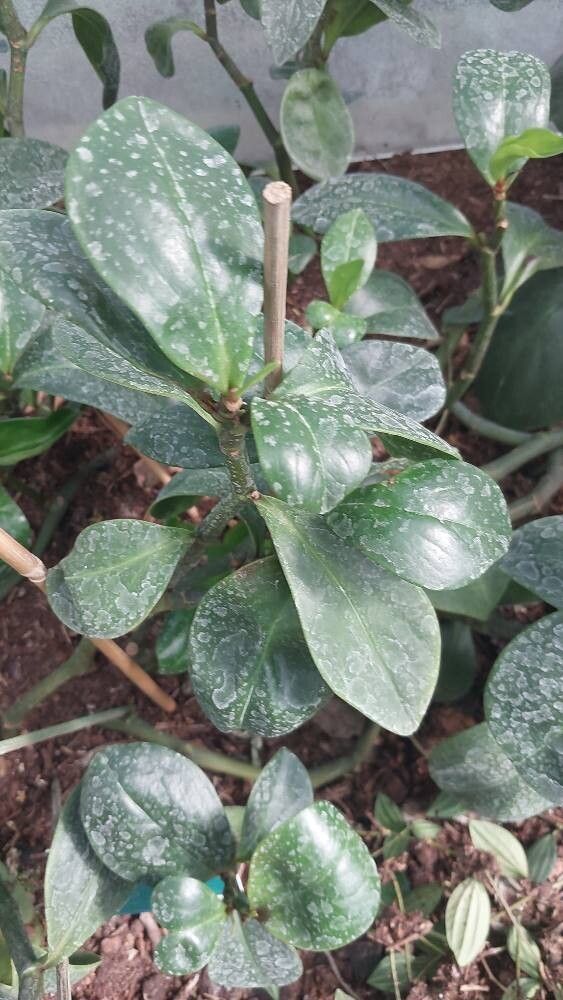
Oh, Peperomia cordulata! Isn’t she a darling? With those lovely heart-shaped leaves and that generally compact growth habit, it’s no wonder this plant has captured so many of our hearts. And the best part? You can easily fill your home, or even share with friends, because propagating Peperomia cordulata is surprisingly straightforward. For beginners? Absolutely. This is a fantastic plant to get your propagation journey started with.
The Best Time to Start
Honestly, you can have success with Peperomia cordulata most times of the year, but spring and early summer are usually your golden ticket. This is when the plant is actively growing, meaning it’s got the energy to push out new roots and leaves readily. Think of it like giving it a fresh start when it’s feeling its most vigorous.
Supplies You’ll Need
Here’s what I always have on hand when I’m about to get my hands dirty with some Peperomia propagation:
- Sharp Pruning Shears or a Knife: Clean cuts are crucial.
- Well-Draining Potting Mix: I like a blend of regular potting soil mixed with perlite or orchid bark. About a 50/50 ratio usually does the trick.
- Small Pots or Seed Trays: Whatever you have that’s clean and has drainage holes.
- Rooting Hormone (Optional but Recommended): A little powder or gel can give your cuttings a helpful boost.
- Water (for water propagation): Clean tap water is fine.
- Clear Cups or Jars (for water propagation): So you can see those roots forming!
- Spray Bottle: For misting.
Propagation Methods
Peperomia cordulata is pretty versatile, offering a few paths to success.
Stem Cuttings
This is my go-to method for Peperomia cordulata.
- Take Your Cuttings: Using your clean shears or knife, snip off a healthy stem that’s at least 3-4 inches long. Make sure each cutting has at least two or three nodes. Nodes are those little bumps on the stem where leaves grow from – they’re where roots will emerge!
- Prepare the Cuttings: Gently remove the lower leaves from the cutting, leaving just the top two or three leaves. This is important to prevent the submerged parts from rotting. If your leaves are very large, you can even cut them in half vertically to reduce water loss.
- Apply Rooting Hormone (Optional): Dip the cut end of the stem into your rooting hormone, tapping off any excess.
- Plant Them Up: Lightly dampen your potting mix. Make small holes in the soil with your finger or a pencil and gently insert the cuttings. Bury at least one node underground, as this is where the roots will form. Firm the soil gently around the base.
- Water and Wait: Water the soil thoroughly but gently. You want it moist, not waterlogged. You can then place the pot in a bright spot, out of direct sunlight. I like to loosely cover the pot with a clear plastic bag or place it in a mini greenhouse to keep humidity high.
Water Propagation
This is a fun one because you get to watch the magic happen!
- Prepare Your Cuttings: Just like with stem cuttings, take healthy stem pieces with at least two nodes. Remove the lower leaves.
- Place in Water: Fill a clean jar or cup with water and place the cuttings in it. Crucially, ensure the leaves are NOT submerged in the water. Only the stem should be touching the water.
- Find a Spot: Place the container in a bright location, away from direct sun.
- Change Water Regularly: Change the water every few days to keep it fresh and prevent bacteria buildup. You’ll start to see little white nubs appearing at the nodes within a couple of weeks, which will eventually grow into roots.
The “Secret Sauce” (Pro Tips)
Here are a few things I’ve learned over the years that really help:
- Don’t Let Leaves Touch the Water: This is a big one for stem cuttings in water, but it also applies to soil. If leaves touch damp soil or water for too long, they’re prone to rotting off before they can form roots. Keep them aerial!
- Use Bottom Heat If You Can: While not strictly essential for Peperomia, a gentle warmth from a heat mat placed underneath your pots can significantly speed up the rooting process. It mimics what happens in nature during warmer months and gives those roots a real encouraging nudge.
- Patience is Truly a Virtue: Sometimes, cuttings can look a bit sad for a while. Don’t give up too soon! As long as they aren’t rotting, give them time. Root development can take longer than you expect, and that’s perfectly normal.
Aftercare & Troubleshooting
Once you see healthy roots emerging from the drainage holes or the cutting is showing good new growth, it’s time to treat it like a young plant.
- For Soil-Rooted Cuttings: Continue to water when the top inch of soil feels dry. Keep it in bright, indirect light. As it grows, you can repot it into a slightly larger container.
- For Water-Rooted Cuttings: Once the roots are about an inch long, you can carefully transplant them into a well-draining potting mix. Water them thoroughly after planting. Keep the soil consistently moist for the first week or two to help them adjust.
The most common troubleshooting issue is rot. If your cutting turns mushy, black, or smells unpleasant, it’s likely rotted. This is usually due to too much moisture, poor air circulation, or the leaves being submerged. If you catch it early, you might be able to salvage it by cutting away the rotted parts and trying again, perhaps with a different method or adjusted watering.
A Encouraging Closing
Propagating plants like Peperomia cordulata is such a rewarding experience. It’s a chance to watch life emerge from a simple cutting, and it’s incredibly satisfying to have more of your favorite plants. So, gather your supplies, take a deep breath, and give it a go. Be patient with your little green babies, cheer them on, and enjoy the wonderful journey of coaxing new life from your beloved plants! Happy propagating!
Resource:
https://identify.plantnet.org/k-world-flora/species/Peperomia%20cordulata%20C.DC./data