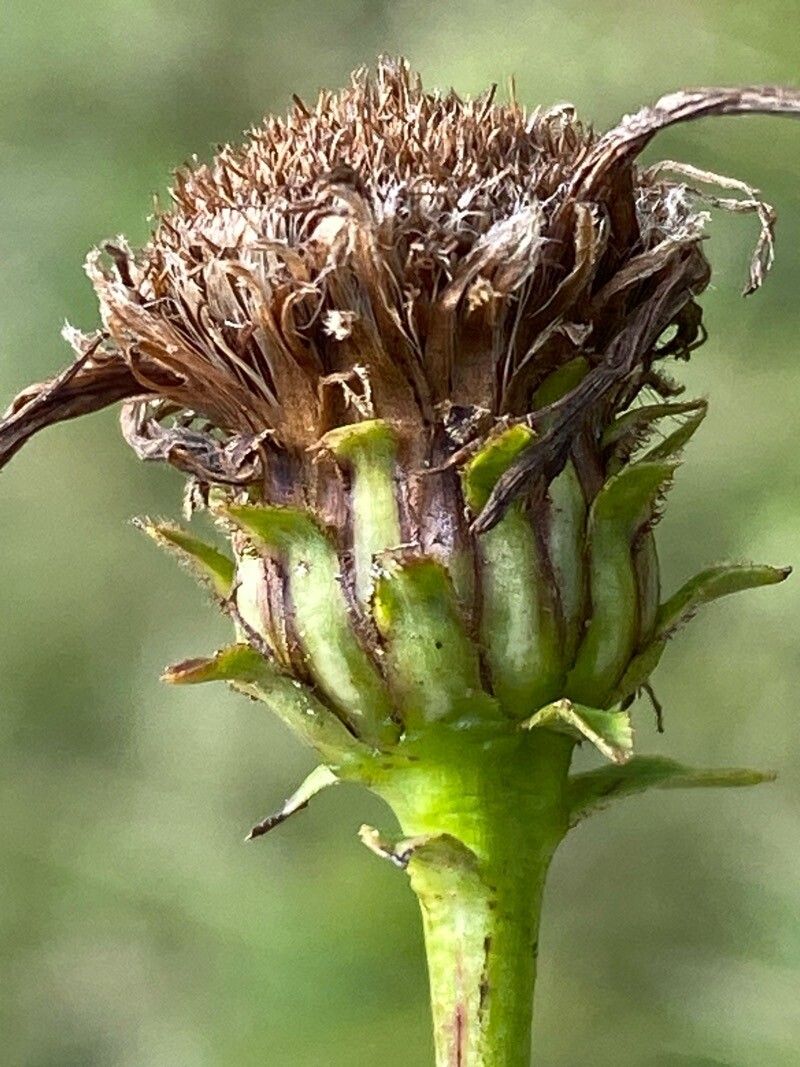
Oh, hello there! Come on in and pull up a chair. I’ve been meaning to chat with you about Pentanema salicinum. It’s a plant that brings such a lovely, understated beauty to the garden, don’t you think? With its attractive foliage and cheerful blooms, it’s just a joy to have around. And the best part? It’s quite rewarding to be able to share that joy by propagating it yourself. I find it’s a wonderfully accessible plant for those just dipping their toes into the world of propagation. Don’t worry, we’ll get you sorted!
The Best Time to Start
For Pentanema salicinum, my favorite time to get propagating is in late spring to early summer. This is when the plant is actively growing, full of energy, and ready to put on a growth spurt. You’ll find the stems are pliable and quick to root, making for the highest success rate. Waiting until the plant has finished its initial push of growth for the season is key.
Supplies You’ll Need
You don’t need a whole lot of fancy equipment – just a few essentials:
- Pruning shears or sharp knife: For clean cuts.
- Rooting hormone (optional but recommended): Especially helpful for those trickier cuttings. Look for a powder or gel.
- Seed-starting mix or a well-draining potting mix: Something light and airy is best. A mix of perlite and peat moss works wonderfully.
- Small pots or trays: Clean ones, of course.
- Plastic bags or a propagator: To create a humid environment.
- Watering can or spray bottle: For gentle watering.
Propagation Methods
Pentanema salicinum is especially fond of stem cuttings, and it’s my go-to method. It’s simple and effective.
Stem Cuttings:
- Take your cuttings: In late spring or early summer, select a healthy, non-flowering stem. Using your clean pruning shears, cut a piece about 4-6 inches long. Make the cut just below a leaf node (where a leaf attaches to the stem).
- Prepare the cuttings: Gently remove the leaves from the bottom half of the cutting. This prevents them from rotting in the soil. If your cutting has any flower buds developing, pinch those off too.
- Dip in rooting hormone (optional): If you’re using rooting hormone, dip the cut end of the stem into the powder or gel. Tap off any excess.
- Pot them up: Fill your small pots or trays with your prepared potting mix. Make a small hole in the center with your finger or a pencil.
- Insert the cuttings: Gently push the cut end of each cutting into the hole, ensuring at least one or two leaf nodes are buried in the soil. Firm the soil gently around each cutting.
- Water and cover: Water the soil thoroughly but gently. Then, cover the pots with a clear plastic bag or place them in a propagator. This creates a mini-greenhouse, keeping the humidity high, which is what cuttings crave.
The “Secret Sauce” (Pro Tips)
Here are a few little tricks I’ve picked up over the years that really make a difference:
- Bottom heat is your friend: If you have a bit of space and a dedicated seedling mat, placing your cuttings on a gentle heat source can significantly speed up root development. It mimics the warmth of summer soil, telling the plant, “It’s time to grow!”
- Don’t let the leaves touch the water: If you happen to be trying water propagation (which isn’t my absolute favorite for this plant but can work!), make absolutely sure that no leaves are submerged. Any leaves sitting in water are a direct invitation for rot. Only the bare stem should be in contact with the water.
- Wipe down the inside of the bag: I know it sounds fussy, but when you see condensation building up heavily on the inside of your plastic cover, give it a quick wipe with a clean cloth. Too much moisture can lead to fungal issues.
Aftercare & Troubleshooting
Once your cuttings are happily potted up, place them in a bright spot out of direct sunlight. Keep the soil consistently moist, but not soggy. I like to check them every few days.
You’ll know your cuttings have rooted when you see new leaf growth, or if you gently tug on a cutting and feel resistance, meaning roots have started to anchor it. This can take anywhere from 3 to 6 weeks, sometimes a little longer.
The biggest enemy you’ll face is rot. If a cutting turns mushy, black, or looks generally unhealthy, it’s usually a sign of too much moisture or not enough air circulation. If you see this happening, remove the affected cutting immediately and try to improve the drainage or ventilation for the others.
A Encouraging Closing
Propagating Pentanema salicinum is a bit like magic, watching something small and seemingly insignificant grow into a whole new life. Be patient with your little charges. Nature takes its time, and every gardener learns by doing. Enjoy the process, celebrate each new root that appears, and soon you’ll have plenty of lovely Pentanema salicinum plants to enjoy! Happy gardening!
Resource: