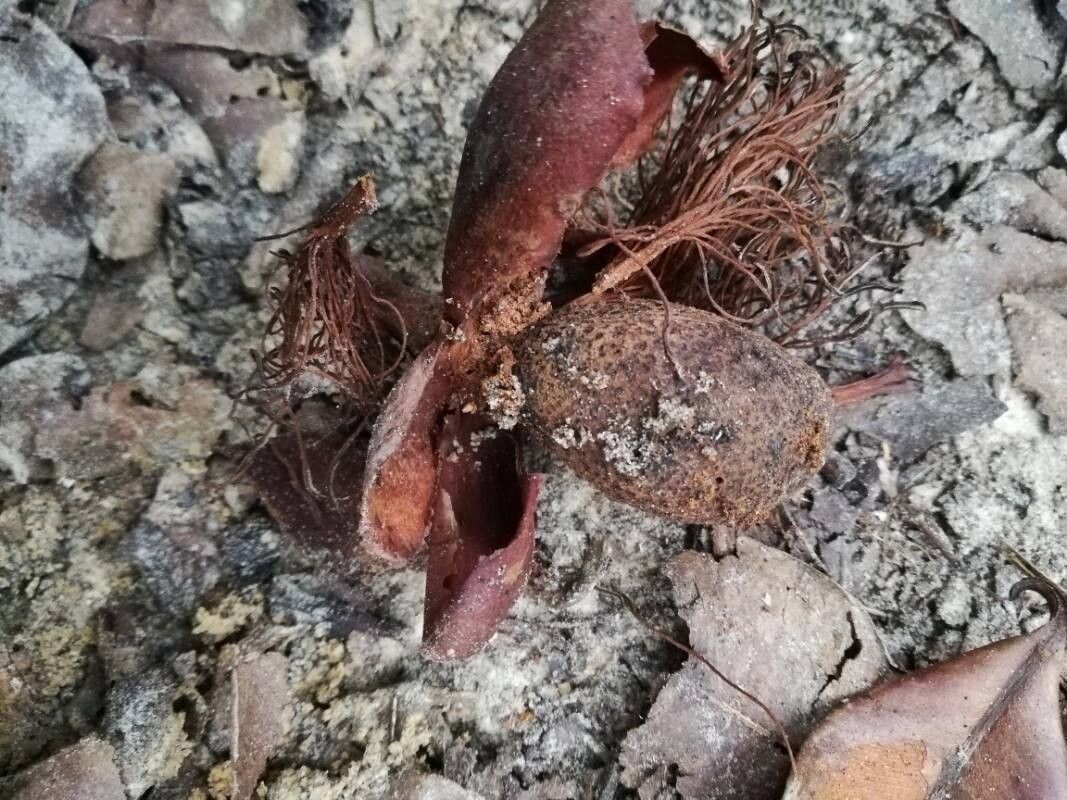
Hey there, fellow plant lovers! I’m so excited to chat with you today about a truly special plant: Pentadesma butyracea. You might know it by its common names like “Butter Tree” or “African Nutmeg Tree.” Its glossy, deep green leaves and the potential for those beautiful, shea-butter-like fruits are just captivating. Plus, multiplying these beauties from your own existing plants? That’s a gardening win that feels extra satisfying.
Now, for the honest truth: Pentadesma butyracea isn’t always the easiest plant to get going from scratch, especially for absolute beginners. It can be a bit particular. But don’t let that deter you! With a little patience and the right approach, you can absolutely succeed. Think of it as a rewarding challenge that, when overcome, brings even more joy.
The Best Time to Start
When it comes to getting the best results, timing is everything. For Pentadesma butyracea, you’ll have the highest chance of success if you propagate during its active growing season. This usually means late spring through summer. You want the plant to be putting on new growth, full of vigor, and ready to produce those precious roots. Trying to take cuttings when the plant is dormant or stressed is like asking someone to run a marathon with a cold – not ideal!
Supplies You’ll Need
Here’s a rundown of what you’ll want to have on hand before you dive in:
- Sharp, clean pruning shears or a knife: For making clean cuts, which is crucial for good root development.
- Rooting hormone: This isn’t strictly mandatory, but it can significantly boost your success rates, especially with more challenging plants. Look for a powdered or liquid form.
- Well-draining potting mix: A good general recommendation is a mix of peat moss, perlite, and a bit of compost. Some folks even swear by a mix tailored for succulents or cacti for extra drainage.
- Small pots or containers: Make sure they have drainage holes!
- Plastic bags or a propagator: To create a humid environment for your cuttings.
- Spray bottle: For misting.
- Optional: Bottom heat mat: This can be a game-changer for encouraging root growth, especially in cooler environments.
Propagation Methods
While Pentadesma butyracea can be a bit tricky, stem cuttings are generally your most reliable bet for propagation.
Stem Cuttings: Your Best Bet
- Select Your Cuttings: Look for healthy, semi-hardwood stems on your mature plant. These are stems that are no longer brand new and soft, but not yet old and woody. They should feel firm but still have a bit of flexibility. Aim for cuttings that are about 4-6 inches long.
- Make the Cut: Using your sharp, clean shears, make a cut just below a leaf node (where a leaf attaches to the stem). This is where the magic happens for root formation.
- Prepare the Cutting: Gently remove the lower leaves, leaving only 2-3 leaves at the very top. If your remaining leaves are quite large, consider cutting them in half horizontally. This reduces water loss from the leaf surface while still allowing for photosynthesis.
- Apply Rooting Hormone: Dip the cut end of your stem into the rooting hormone, tap off any excess. This gives your cutting a helpful boost.
- Plant Your Cuttings: Fill your small pots with your well-draining potting mix. Make a small hole in the center and insert the cutting, ensuring the rooting hormone-coated end is well-covered by the soil. Gently firm the soil around the stem.
- Create a Humid Environment: Water the soil lightly until it’s evenly moist, but not soggy. Then, cover the pots with a plastic bag or place them inside a propagator. You want to create a mini greenhouse effect to keep the humidity high. You can use skewers or stakes to keep the plastic bag from touching the leaves.
- Find the Right Spot: Place your propagator or covered pots in a bright, indirect light location. Avoid direct sunlight, as this will cook your cuttings. Consistent warmth is key, and this is where a bottom heat mat can be incredibly beneficial.
The “Secret Sauce” (Pro Tips for Success)
Alright, let’s talk about what makes a real difference. These are little things I’ve learned over the years that can really tip the scales in your favor.
- The “Heel” Trick: Sometimes, when you’re taking cuttings, you can break off a tiny bit of the older stem at the point where you’re cutting. This is called a “heel.” If you can get a cutting with a small sliver of this older wood attached to the base, it can actually help with rooting. It’s not always possible, but if it happens naturally, don’t discard it!
- Don’t Drown Them: This is a classic mistake! While they need moisture, your cuttings hate sitting in waterlogged soil. Make sure that drainage is top-notch. If you’re unsure,err on the side of slightly drier rather than too wet.
- Patience is a Virtue (and a Necessity): Pentadesma butyracea can take its sweet time to root. Seriously. We’re talking weeks, and sometimes even months. Resist the urge to constantly pull them up to check for roots. You’ll know they’re rooting when you see new growth, or if you gently tug and feel resistance.
Aftercare & Troubleshooting
Once you see signs of life – new leaves unfurling or a gentle tug indicating root development – it’s time for the next stage.
Gradually acclimate your new plant to lower humidity by opening the propagator or plastic bag a little more each day over a week or two. Continue to keep it in bright, indirect light. Water when the top inch of soil feels dry to the touch.
The most common problem you’ll encounter is rot. If your cutting turns black and mushy, it’s a sign of too much moisture and not enough air circulation. Unfortunately, once rot sets in, it’s usually game over. This is why good drainage and a bit of patience with watering are so critical from the get-go. Another sign of failure is if the cutting simply shrivels and never shows any root development after a very long time.
Grow Onward!
So there you have it! Propagating Pentadesma butyracea might require a bit more finesse, but the reward of nurturing a new plant from your own efforts is truly special. Don’t be discouraged if your first attempt isn’t a runaway success. Every garden journey is filled with learning. Embrace the process, be patient with your little green charges, and enjoy watching them grow. Happy propagating!
Resource:
https://identify.plantnet.org/k-world-flora/species/Pentadesma%20butyracea%20Sabine/data