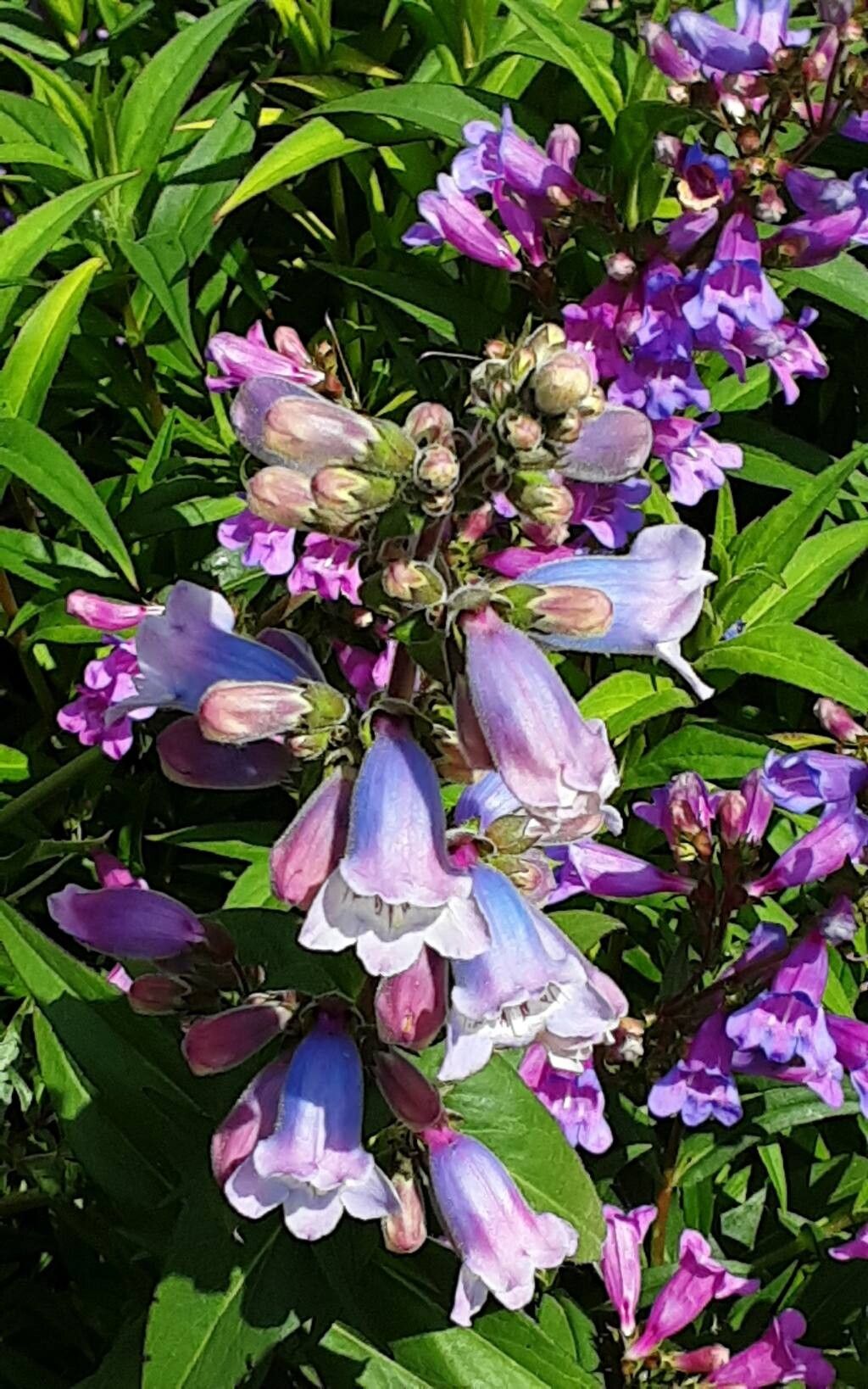
Oh, Penstemon cobaea! If you’ve ever seen this beauty gracing a prairie or garden, you know exactly what I’m talking about. Those lovely, bee-loved bell-shaped flowers, usually in shades of lavender to purple, are just a showstopper. And the best part? You can easily fill your garden (or your friends’ gardens!) with more of these beauties by propagating them yourself. I find it incredibly rewarding to watch a tiny cutting or division transform into a thriving plant. For those of you just starting out with propagation, Penstemon cobaea is a pretty friendly plant to get your hands dirty with – a great one for building your confidence.
The Best Time to Start
When you’re looking to increase your Penstemon cobaea collection, spring is your golden ticket. As the plants are just waking up from their winter slumber and starting to put on new growth, that’s the prime time to take cuttings. You can also have success with cuttings taken in early summer, but spring often yields the most vigorous results. For propagation by division, aim for the same window – just as new growth is emerging.
Supplies You’ll Need
Gathering your supplies beforehand makes the whole process so much smoother. Here’s what I like to have on hand:
- Sharp, clean pruning shears or a sharp knife: Essential for making clean cuts to avoid damaging the plant.
- Rooting hormone (optional but recommended): This gives your cuttings a little boost. I usually opt for a powdered hormone.
- Small pots or seed trays: For starting your cuttings or divisions. Make sure they have drainage holes!
- A good potting mix: I prefer a light, well-draining mix. A blend of peat moss or coco coir, perlite, and a little compost works wonderfully. You can also buy a commercial seed-starting mix.
- Plastic bags or humidity domes: To create a humid microclimate for your cuttings.
- Watering can or mister: For gentle watering.
- Labels: Don’t skip this! You’ll thank yourself later.
- Gloves (optional): If you prefer to keep your hands clean.
Propagation Methods
Penstemon cobaea is quite amenable to a couple of common propagation techniques. We’ll focus on the two easiest and most effective for this plant.
Stem Cuttings: My Go-To
This is typically the most successful method for Penstemon cobaea.
- Take Your Cuttings: In early spring, look for non-flowering, healthy stems. Using your sharp shears, take cuttings that are about 4-6 inches long. Make a clean cut just below a leaf node (where a leaf attaches to the stem).
- Prepare the Cuttings: Gently remove the lower leaves from the cutting, leaving just a few leaves at the top. This prevents them from rotting when buried. If your cuttings are long, you can cut the remaining top leaves in half to reduce water loss.
- Apply Rooting Hormone (Optional): Dip the cut end of the stem into your rooting hormone, shaking off any excess.
- Plant the Cuttings: Fill your pots or trays with your prepared potting mix. Make a small hole in the center with a pencil or your finger. Gently insert the cut end of each cutting into the hole, ensuring the leaf nodes you removed are below the soil surface.
- Water Gently: Water the potting mix lightly to settle the soil around the cuttings.
- Create Humidity: Place the pots or trays inside a clear plastic bag or cover them with a humidity dome. Make sure the leaves aren’t touching the plastic.
Division: A Simpler Start
If you have a mature Penstemon cobaea plant, division is a fantastic way to get multiple plants.
- Dig Up the Plant: In early spring, before the plant gets too big and leafy, carefully dig up the entire clump. You want to get as much of the root ball as possible.
- Separate the Divisions: Gently shake off excess soil from the roots. You’ll usually be able to see natural divisions in the plant. Using your hands or a clean trowel or knife, carefully pull or cut the clump into smaller sections. Each division should have a good amount of roots and at least one or two healthy shoots.
- Replant Immediately: Replant the divisions into their new locations in the garden, or into pots filled with your potting mix, spacing them appropriately.
- Water Well: Water thoroughly after replanting to help the roots settle in.
The “Secret Sauce” (Pro Tips)
Here are a couple of things I’ve learned over the years that can really make a difference:
- Don’t Let Those Lower Leaves Touch the Water (or Soil for Too Long): This is crucial for cuttings. If the leaves are submerged in water or sitting on damp soil, they’ll quickly start to rot, and your cutting will be doomed before it even starts. Keep them high and dry, or at least above the waterline.
- Bottom Heat is Your Friend: While not strictly necessary for Penstemon cobaea, if you want to speed things up and increase success rates for cuttings, placing your pots on a gentle heat mat can work wonders. It encourages root development. Aim for a soil temperature of around 70-75°F (21-24°C).
Aftercare & Troubleshooting
Once your cuttings or divisions are planted, keeping an eye on them is key.
- For Cuttings: Keep the soil consistently moist but not waterlogged. Check them regularly and lift the plastic bag for a few minutes each day to allow for air circulation and prevent mold. You’ll know they’ve rooted when you see new leaf growth. This can take anywhere from 3-6 weeks. Once they have a decent root system, you can gradually acclimate them to drier air by opening the bag a little more each day before removing it entirely.
- For Divisions: Water regularly until they are established. You might see some wilting for a few days, which is normal as they adjust.
Troubleshooting: The most common sign of failure is rot. If your cuttings look mushy, black, or moldy, they’re likely gone. This usually happens if the soil is too wet and there’s not enough air circulation. If you’re dividing, mushy, stinky roots are a sign of rot. Try to remove those sections. Overwatering is the usual culprit for rot, so be mindful of that balance – moist, not soggy.
A Encouraging Closing
Propagating Penstemon cobaea is such a satisfying endeavor. Don’t get discouraged if every cutting doesn’t make it – that’s part of the learning curve! Be patient, observe your plants, and enjoy the process of nurturing new life. Soon enough, you’ll have a whole garden full of these delightful blooms. Happy propagating!
Resource:
https://identify.plantnet.org/k-world-flora/species/Penstemon%20cobaea%20Nutt./data