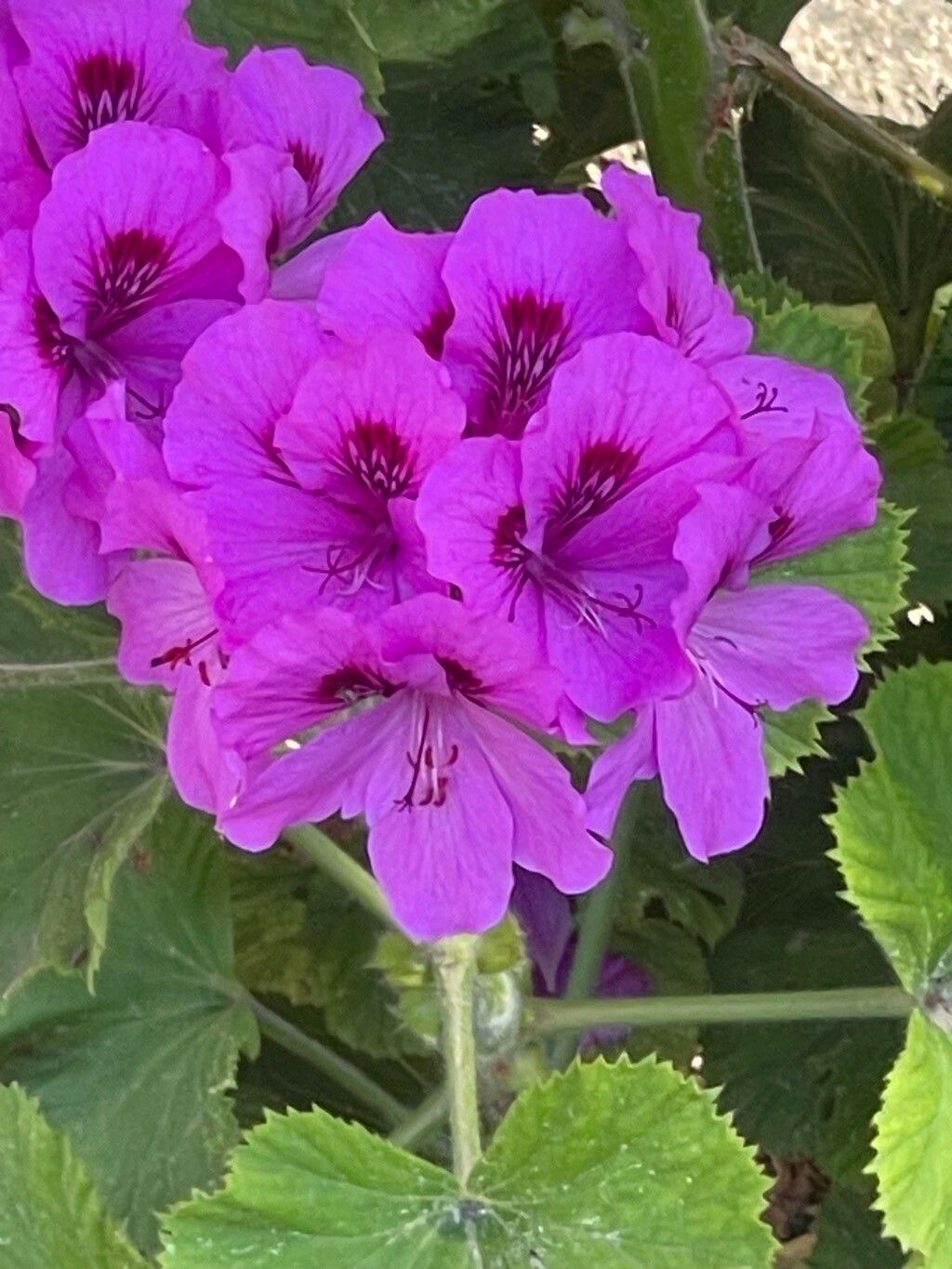
Hello there, fellow plant enthusiasts! It’s your gardening friend, here to chat about one of my absolute favorite blooms: the regal Pelargonium grandiflorum, often called the regal pelargonium or Martha Washington geranium. These beauties, with their ruffled, often strikingly patterned petals, are truly showstoppers. They bring such a burst of elegance to any sunny windowsill or patio. And guess what? You can easily fill your home with even more of these exquisite flowers by propagating them yourself! It’s a wonderfully rewarding process, and I’m happy to say, propagating Pelargonium grandiflorum is quite achievable, even for those just starting their plant-parent journey.
The Best Time to Start
When it comes to getting the most bang for your propagation buck, late spring and early summer are your golden windows. This is when your established plants are actively growing, meaning they have plenty of energy to put into developing new roots. Aim to take cuttings just after the main blooming period has finished. You’re looking for healthy, non-flowering stems to work with.
Supplies You’ll Need
Before we dive into the fun part, let’s make sure you have everything ready. Having your supplies at the ready makes the whole process so much smoother!
- Sharp, clean pruning shears or a sharp knife: Cleanliness is key to preventing disease.
- Rooting hormone (powder or gel): While not strictly mandatory, it really gives your cuttings a boost.
- Well-draining potting mix: A standard houseplant mix with added perlite or grit works wonderfully. I often use a 50/50 blend of potting soil and perlite.
- Small pots or seed trays: Clean and with drainage holes!
- Plastic bags or a propagator: To create a humid environment.
- Watering can or spray bottle: For gentle watering.
- Clear labels and a permanent marker: So you don’t forget what you’ve propagated!
Propagation Methods
There are a couple of really effective ways to multiply your regal pelargoniums. I personally favor stem cuttings, as it’s quite reliable.
Stem Cuttings:
- Select Your Mother Plant: Choose a healthy, vigorous plant that’s free from pests or diseases.
- Take the Cutting: Using your clean shears or knife, select a healthy stem that’s about 4-6 inches long. Make your cut just below a leaf node (the little bump where a leaf grows from the stem). This is where the magic of rooting happens!
- Prepare the Cutting: Gently remove the lower leaves, leaving just two or three at the top. You can also pinch off any flower buds that might be forming – we want the plant’s energy to go into roots, not flowers, at this stage.
- Apply Rooting Hormone: If you’re using rooting hormone, dip the cut end of the stem into the powder or gel. Tap off any excess.
- Potting Up: Fill your small pots with your well-draining potting mix. Make a small hole in the center of the soil using a pencil or your finger.
- Insert the Cutting: Carefully place the cut end of the pelargonium cutting into the hole, ensuring the leaf nodes are buried in the soil. Gently firm the soil around the stem.
- Water and Cover: Water the soil gently until it’s evenly moist, but not soggy. Then, cover the pot with a plastic bag or place it in a propagator. This creates a mini greenhouse effect, keeping the humidity high, which is essential for cuttings. Secure the bag with a rubber band or ensure the propagator lid is on firmly. Make sure the leaves don’t touch the plastic if possible.
Water Propagation (A slightly less common, but still viable method for these):
- Follow steps 1 and 2 for stem cuttings.
- Remove all leaves from the bottom half of the cutting.
- Place the cutting in a clean jar or vase filled with water, ensuring the leaf nodes are submerged.
- Place the jar in a bright spot, but out of direct sunlight.
- Change the water every few days to keep it fresh and prevent bacterial growth. You’ll start to see roots forming in a few weeks. Once the roots are about an inch long, you can carefully transplant them into pots with soil.
The “Secret Sauce” (Pro Tips)
Now, for a couple of little tricks I’ve learned over the years that can really make a difference.
- My absolute favorite pro tip: Don’t let the leaves touch the water if you’re doing water propagation. It can lead to rot much faster than you’d think. If you notice any leaves dipping in, trim them off.
- For those stem cuttings, bottom heat is your best friend. If you have a heat mat designed for seedlings, placing your potted cuttings on it can significantly speed up root development. It mimics the warmth of spring soil wonderfully.
Aftercare & Troubleshooting
Once you see those tiny roots peeking out from the drainage holes, or if the cutting starts to look a bit plumper and shows signs of new growth, that’s your cue!
- Gradually accustom your new plants to normal conditions. Start by opening the plastic bag for an hour or two each day, slowly increasing the time over a week.
- Continue to keep the soil lightly moist, but again, avoid waterlogging.
- Move them to a spot with bright, indirect light. Gradually introduce them to more direct sun as they get stronger.
Now, what if things don’t go as planned? Don’t get discouraged!
- Wilting: This is common initially. Keep humidity high and ensure the soil is consistently moist. If it’s happening after you’ve removed the plastic, it might be too dry or too much sun.
- Rotting: This is usually due to overwatering or poor drainage. The stem at the soil line will turn dark and mushy. If you see this, it’s best to discard the cutting and start again, ensuring your soil is airy and you’re not drowning it.
A Encouraging Closing
Remember, gardening is a journey, and propagating plants is part of that beautiful, unfolding process. Be patient with your little pelargoniums. They’re working hard to grow! Celebrate every little sign of progress, learn from any setbacks, and most importantly, enjoy the sheer magic of creating new life with your own two hands. Happy propagating!
Resource:
https://identify.plantnet.org/k-world-flora/species/Pelargonium%20grandiflorum%20Willd./data