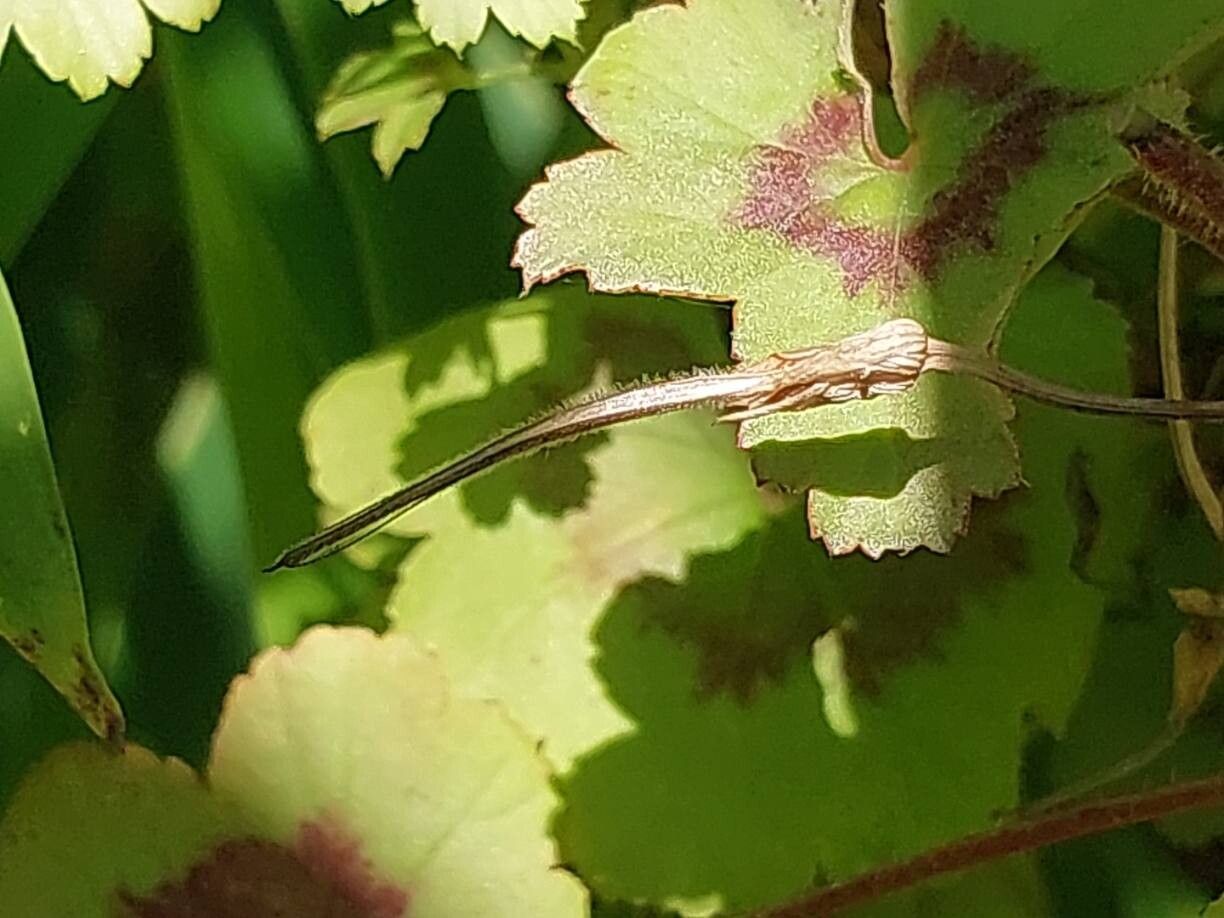
Oh, hello there! It’s wonderful to have you join me in the garden today. We’re going to talk about a plant that holds a special place in my heart: Pelargonium elongatum. Its trailing habit and vibrant flower clusters are just delightful, especially when you have them cascading from a pot or spilling over a garden wall. And the best part? Propagating it is surprisingly rewarding, and for the most part, quite forgiving! If you’re just starting out with plant propagation, I think you’ll find Pelargonium elongatum to be a wonderfully accessible plant to practice with.
The Best Time to Start
For the highest success rate, start your propagation efforts in late spring or early summer, right when the plant is actively growing. Those warm days and increasing sunlight fuel rapid root development. You can certainly try in other seasons, but this is when you’ll see the fastest and most robust results.
Supplies You’ll Need
Gathering your tools beforehand makes the whole process so much smoother:
- Sharp pruning shears or a clean, sharp knife: For making clean cuts.
- Small planting pots or trays: With drainage holes, of course!
- Well-draining potting mix: I like to use a blend of seed-starting mix with perlite or coarse sand to ensure good aeration. You can also find specific succulent or cactus mixes that work beautifully.
- Rooting hormone (optional but recommended): This is a little boost for your cuttings.
- Watering can or spray bottle: For gentle watering.
- Clear plastic bag or propagator lid: To create a humid environment.
Propagation Methods: Bringing New Life!
There are a couple of ways to get new Pelargonium elongatum plants, and I find them both quite effective.
Stem Cuttings: My Go-To Method
This is my favorite way to get a good number of new plants from a healthy parent.
- Select healthy stems: Look for mature, non-flowering stems. You want stems that are firm, not woody or too soft and floppy.
- Make the cut: Using your sharp shears, take cuttings that are about 4-6 inches long. Make the cut just below a leaf node – that’s the little bump where a leaf grows from the stem.
- Prepare the cutting: Gently remove the lower leaves from the cutting, leaving just a few at the top. This prevents them from rotting in the soil. If there are any flower buds, snip them off too; we want all the energy going into root production.
- Dip in rooting hormone (optional): If you’re using rooting hormone, dip the cut end into it. Tap off any excess.
- Plant your cuttings: Fill your small pots with your prepared potting mix. Make a hole with your finger or a pencil, and insert the cutting about 1-2 inches deep, ensuring the leaf node is covered by the soil. Gently firm the soil around the stem.
- Water gently: Water thoroughly but avoid waterlogging. The soil should be moist, not soaking wet.
- Create humidity: Place a clear plastic bag over the pot, or use a propagator lid. This traps moisture and creates a mini greenhouse effect, which is crucial for cuttings to root. Ensure the bag doesn’t touch the leaves too much.
Water Propagation: A Visual Treat
This method is fantastic for seeing root development happen right before your eyes!
- Take cuttings as described above.
- Remove all lower leaves.
- Place cuttings in a glass or jar of water: Make sure the leaf nodes are submerged, but none of the leaves themselves are touching the water.
- Place in bright, indirect light: Avoid direct sun, which can overheat the water.
- Change the water regularly: Every few days, as you would for cut flowers. This keeps it fresh and prevents rot.
- Pot up when roots are substantial: Once you see strong roots, about an inch or two long, you can carefully transplant them into pots filled with your well-draining potting mix.
The “Secret Sauce” (Pro Tips!)
Here are a few little tricks of the trade that have helped me over the years:
- Let cuttings callous: After taking stem cuttings, I often leave them to sit out for a day or two in a dry, shaded spot. This allows the cut end to callous over, which helps prevent rot when you plant them. It’s like nature’s way of sealing the wound!
- Bottom heat is your friend: If you have access to a heated propagator mat, using it can significantly speed up root formation. The consistent warmth from below encourages those roots to emerge much faster.
- Don’t overwater, ever: Seriously, this is the most common mistake! Pelargonium elongatum cuttings are susceptible to rot if kept too wet. Err on the side of slightly drier rather than too damp. It’s much easier to perk up a slightly wilted cutting than to save a rot-ridden one.
Aftercare & Troubleshooting
Once you see signs of new growth or notice roots developing when you gently tug on a cutting (don’t pull it out completely, just a slight tug!), it’s time to adjust your care.
- Remove the humidity cover gradually: As your new plants establish, acclimatize them slowly to the drier air. Start by taking the plastic bag off for a few hours each day.
- Water consistently but sparingly: Keep the soil evenly moist, but never soggy. Allow the top inch of soil to dry out slightly between waterings.
- Bright, indirect light is best: Continue to provide plenty of light, but protect them from harsh, direct sunlight, especially when they are small and vulnerable.
Now, what if things aren’t going as planned? The most common issue is rot. If your cutting turns black and mushy, it’s usually a sign of too much moisture and insufficient air circulation. Remove the affected cutting immediately. If the soil feels constantly waterlogged, it’s time to ease up on the watering. Sometimes, a cutting just won’t take – and that’s okay! Gardening is a learning process, and not every experiment is a success.
A Gentle Encouragement
So there you have it! Propagating Pelargonium elongatum is a wonderfully accessible way to expand your collection and share these beautiful plants with friends. Be patient, enjoy the process of watching new life emerge, and don’t be discouraged if you have a few that don’t make it. Every gardener has them! Happy propagating!
Resource:
https://identify.plantnet.org/k-world-flora/species/Pelargonium%20elongatum%20(Cav.)%20Salisb./data