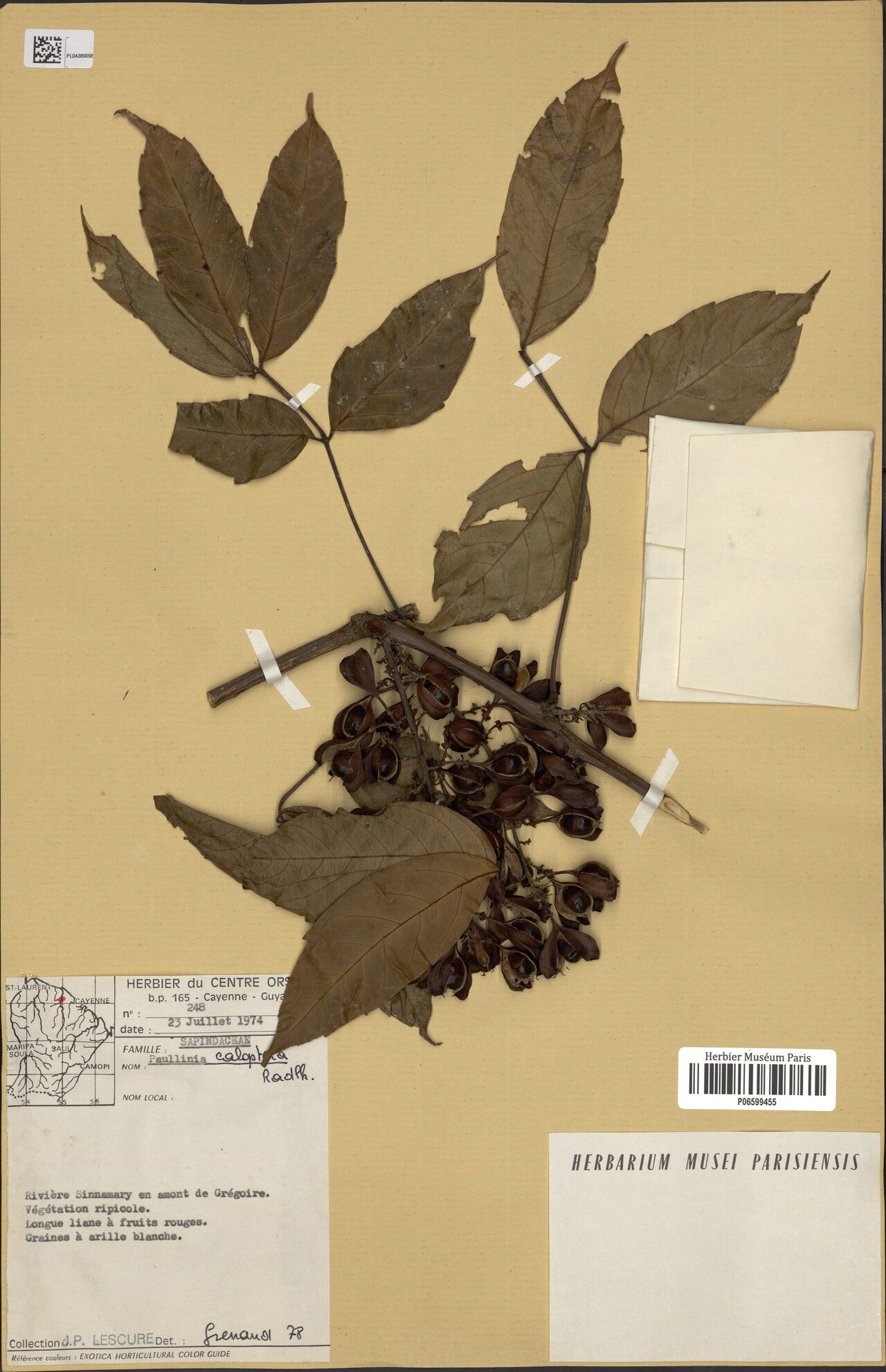
Hello, fellow plant lovers! I’m so excited to chat with you today about a truly special plant: Paullinia caloptera. If you’re not familiar, this beauty boasts stunning foliage that can really liven up any space. And the best part? Bringing more of these gorgeous plants into your life through propagation is incredibly rewarding. Now, I’ll be honest, Paullinia caloptera can be a tad fussy, so it might be a good one to tackle after you’ve had a bit of practice with some easier-to-root plants, but don’t let that deter you! With a little patience and these tips, I’m confident you can do it.
The Best Time to Start
For the highest chance of success with Paullinia caloptera, I’ve found that spring and early summer are your golden windows. This is when the plant is actively growing and has plenty of energy to dedicate to rooting. Look for healthy, vigorous growth. Avoid taking cuttings when the plant is stressed, dormant, or has just finished flowering.
Supplies You’ll Need
Gathering your supplies beforehand makes the whole process smoother. Here’s what I usually have on hand:
- Sharp, clean pruning shears or a craft knife: For making clean cuts.
- Rooting hormone (optional, but recommended): A powder or gel formula.
- Well-draining potting mix: A blend of peat moss, perlite, and perhaps some orchid bark works wonders. Avoid heavy, dense soils.
- Small pots or propagation trays: With drainage holes, of course!
- Clear plastic bag or propagation dome: To create a humid environment.
- Watering can with a fine spray nozzle: For gentle watering.
- Labels and a marker: To keep track of your cuttings!
Propagation Methods: Stem Cuttings
This is generally my go-to method for Paullinia caloptera.
- Select Your Cuttings: Choose healthy, upright stems from your mature plant. Aim for pieces about 4-6 inches long that have at least two or three sets of leaves. Look for stems that are semi-hardwood – not too soft and green, but not old and woody either. They should feel firm.
- Make the Cut: Using your clean shears or knife, make a clean cut just below a leaf node. A leaf node is where a leaf attaches to the stem. This is where the magic happens, as roots are more likely to form here.
- Prepare the Cutting: Gently remove the lower leaves, leaving only the top two or three leaves. This prevents them from rotting in the soil and encourages the plant to focus its energy on root development. If the remaining leaves are very large, you can cut them in half horizontally to reduce water loss through transpiration.
- Apply Rooting Hormone (Optional): Dip the cut end of the stem into water, then into your rooting hormone powder or gel. Tap off any excess. This step really gives your cutting a boost in forming roots.
- Potting Up: Fill your small pots with your prepared well-draining mix. Make a small hole in the center with your finger or a pencil.
- Planting the Cutting: Gently insert the hormone-coated end of the cutting into the hole. Firm the soil lightly around the stem to ensure good contact.
- Create Humidity: Water the soil thoroughly until it drains from the bottom. Then, cover the pot with a clear plastic bag or place it under a propagation dome. This traps moisture and creates the humid environment the cuttings need to thrive. Make sure the plastic bag doesn’t touch the leaves.
The “Secret Sauce” (Pro Tips)
Here are a few things I’ve learned over the years that can really make a difference:
- Don’t let the leaves touch the water: If you decide to try water propagation (which is a bit trickier for Paullinia caloptera but can work!), make absolutely sure the leaves are above the water line. Any submerged foliage will quickly turn mushy and rot, taking your cutting with it.
- Bottom heat is your friend: If you have a heat mat designed for seedlings, pop your pots on it! Consistent warmth from below encourages root formation. It’s like giving your cuttings a cozy warm bed to encourage them to get comfy and grow roots.
- Patience with pruning: After you’ve taken your cuttings, resist the urge to constantly check for roots. I know it’s exciting, but disturbing them too early can set them back. Only check if you’re genuinely concerned or if the stem starts to look a bit sad.
Aftercare & Troubleshooting
Once your Paullinia caloptera cuttings have started to root – you might see tiny white nubs peeking out of the drainage holes or feel a bit of resistance when you gently tug on the stem – it’s time to transition them.
- Acclimatization: Gradually remove the plastic bag or dome over a week or so, increasing the exposure to open air each day.
- Watering: Water when the top inch of soil feels slightly dry to the touch. Avoid waterlogged conditions, as this is the fastest way to invite fungal problems.
- Light: Place your newly rooted plants in bright, indirect light. Direct sun can scorch their young leaves.
- Signs of Trouble: The most common issue is rot. If your cutting looks mushy, turns black at the base, or its leaves become limp and yellow, it’s likely rotting. This is usually due to too much moisture and not enough airflow. If you spot rot early, you might be able to salvage the healthy part of the stem and try again. Another sign of failure is if the stem simply shrivels up and never shows any signs of rooting. This can be due to it being too dry, not enough humidity, or a cutting that wasn’t healthy to begin with.
A Warm Encouraging Closing
Remember, gardening is a journey, and propagation is a wonderful way to learn more about your plants and the cycles of nature. Don’t be discouraged if your first few attempts aren’t perfect. Every plant is different, and sometimes it just takes a little trial and error. Be patient with your new Paullinia caloptera babies, trust the process, and most importantly, enjoy the incredible satisfaction of seeing your efforts bloom! Happy propagating!
Resource:
https://identify.plantnet.org/k-world-flora/species/Paullinia%20caloptera%20Radlk./data