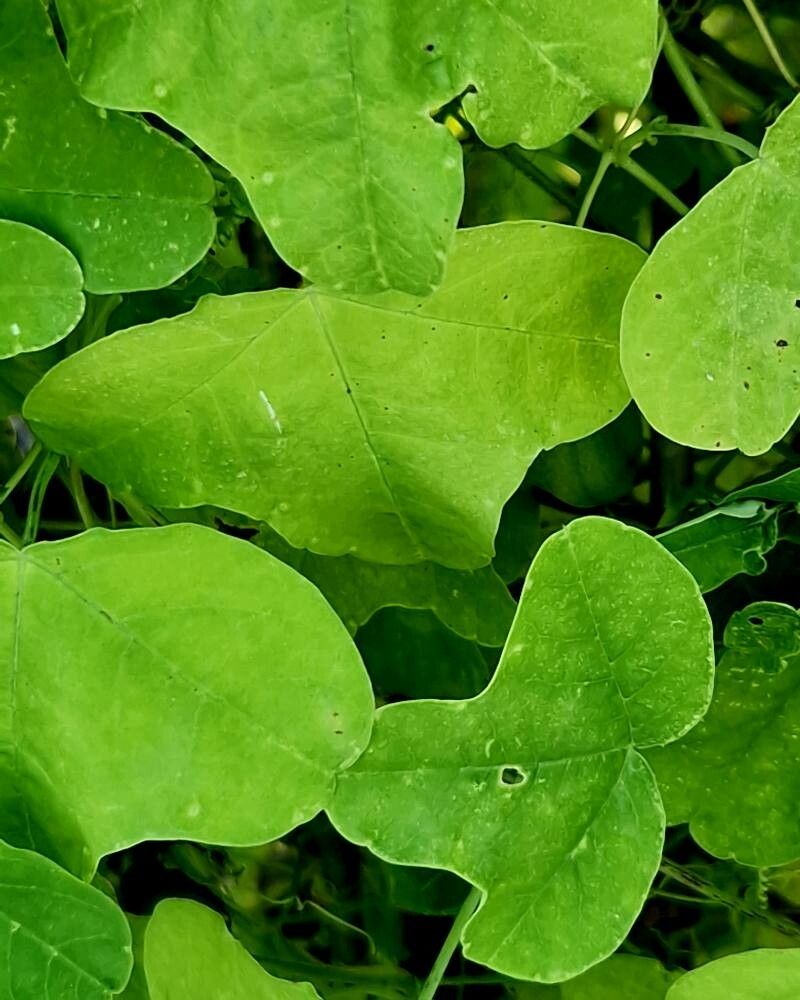
Oh, Passiflora gracilis! What a delightful passionflower to consider for propagation. If you’ve ever admired its delicate, almost ethereal blooms and wondered how to get more of them gracing your garden, you’re in the right place. I’ve been coaxing these beauties to grow for two decades, and sharing cuttings feels like sharing a little bit of sunshine. Good news for you, gracilis is generally a fairly forgiving plant to propagate, making it a wonderful choice even if you’re just starting your propagation journey.
The Best Time to Start
Personally, I find the late spring to early summer is absolutely prime time for taking cuttings of Passiflora gracilis. The plant is usually bursting with new growth, and these young, vigorous stems have the best energy to root. You want to choose stems that are firm but not woody – think pencil thickness. Avoid flowering or fruiting stems; we’re after growth, not reproduction just yet!
Supplies You’ll Need
Here’s what I always have on hand when I’m about to get my hands dirty:
- Sharp Pruning Shears or a Clean Knife: For making clean cuts.
- Well-Draining Potting Mix: A mix of peat moss, perlite, and a little bit of compost works wonderfully. You can also buy specialized seed starting or propagation mixes.
- Small Pots or Seedling Trays: About 3-4 inches deep is ideal. Make sure they have drainage holes!
- Rooting Hormone (Optional but Recommended): A mild rooting hormone powder or gel can really give your cuttings a boost.
- Plastic Bag or Humidity Dome: To create a mini greenhouse effect.
- Spray Bottle: For misting.
- Labels: So you don’t forget what you planted where!
Propagation Methods
My go-to method for Passiflora gracilis is stem cuttings. It’s straightforward and yields excellent results.
Stem Cuttings:
- Take Your Cuttings: Select a healthy stem that’s about 4-6 inches long. Using your sharp shears, make a clean cut just below a leaf node (where a leaf meets the stem). This is where the magic of roots often happens! Remove the leaves from the bottom half of the cutting. You can leave the top 2-3 leaves on, perhaps even cutting larger leaves in half to reduce water loss.
- Prepare the Cutting: Dip the cut end into your rooting hormone, tapping off any excess.
- Plant Them Up: Fill your small pots with your well-draining potting mix. Make a small hole in the center with your finger or a pencil.
- Insert the Cutting: Gently push the prepared cutting into the hole, ensuring the leaf nodes you removed are buried. Firm the soil gently around the stem.
- Water Gently: Water the soil thoroughly but avoid waterlogging.
- Create Humidity: Place the pots inside a clear plastic bag, sealing it loosely at the top, or use a propagation dome. This keeps the humidity high, which is crucial for cuttings. Place them in a bright spot but out of direct sunlight.
The “Secret Sauce” (Pro Tips)
Now for a couple of little tricks I’ve learned over the years.
- One thing I always do is avoid letting the leaves touch the soil. If they’re buried, they’re more prone to rot. I usually ensure all fallen leaves are kept above the soil line in the pot.
- While not strictly necessary for gracilis, if you want to really speed things up and give your cuttings a little extra oomph, place your pots on a heated propagator mat. This bottom heat encourages root development much faster. Just ensure it’s not too hot – a gentle warmth is all they need.
Aftercare & Troubleshooting
Once your cuttings are potted, keep the soil consistently moist but not soggy. Mist the leaves occasionally, especially if you have the humidity dome or bag open for airing. You’ll know they’ve rooted when you see new growth emerging from the top! This can take anywhere from 3 weeks to a couple of months.
The most common problem you might face is rot. If a cutting looks mushy and dark at the base, it’s likely rotted. This usually happens from too much moisture and poor air circulation. If you see this, unfortunately, that cutting is a goner. Don’t be discouraged, though! Just remove it and check the moisture levels of your other cuttings.
A Encouraging Closing
Propagating plants is such a rewarding part of gardening. It’s about patience, observation, and a little bit of faith in nature. Don’t worry if not every single cutting takes; it happens to the best of us! Celebrate the ones that do, and enjoy the process of nurturing new life. Happy propagating!
Resource:
https://identify.plantnet.org/k-world-flora/species/Passiflora%20gracilis%20J.Jacq.%20ex%20Link/data