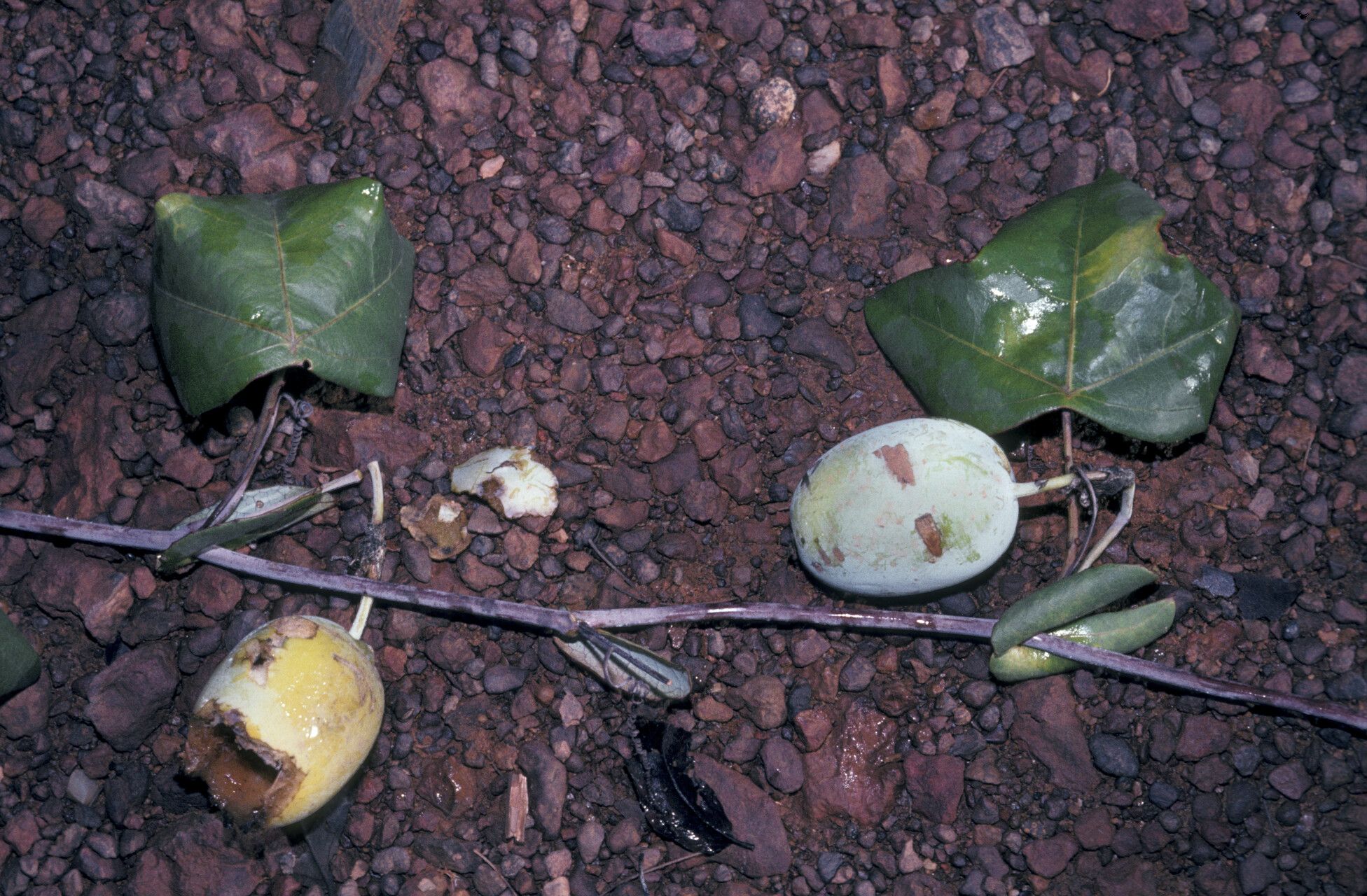
Oh, Passiflora garckei! If you’ve ever seen this particular passionflower unfurl its captivating blooms, you know why we gardeners get so excited. Mine is a true showstopper, with intricate, almost alien-like flowers that draw the eye every single time. And the best part? Propagating your own Passiflora garckei is incredibly rewarding. You get to share this beauty with friends, fill more corners of your garden, or simply enjoy the satisfaction of nurturing a new life from a tiny piece. Now, is it a breeze for absolute beginners? Honestly, I’d say it’s moderately easy. It requires a little attention to detail, but with a few key steps, you’ll be well on your way.
The Best Time to Start
For Passiflora garckei, I find the late spring to early summer is absolutely golden. This is when our plants are in a vigorous growth spurt, meaning they’re full of energy and ready to channel it into putting down new roots. Look for young, healthy stems that are flexible but not too soft – think pencil-thick is usually good. Avoid old, woody material or overly soft, brand-new shoots.
Supplies You’ll Need
Gathering your tools before you begin makes the whole process smoother. Here’s what I always have on hand:
- Sharp, clean pruning shears or a sharp knife: For taking clean cuts to avoid damage.
- Rooting hormone (powder or gel): This isn’t strictly essential for every plant, but it gives your cuttings a significant boost for Passiflora garckei.
- Well-draining potting mix: I like a blend of perlite, coco coir, and a bit of good quality potting soil. A pre-made succulent or cactus mix can also work well.
- Small pots or seed trays: With drainage holes, of course!
- Plastic bags or a propagator lid: To create a humid environment.
- Watering can with a fine rose: For gentle watering.
- Labeling tags and a pen: You’ll thank me later when you have a tray full of starts!
Propagation Methods
My go-to for Passiflora garckei is stem cuttings. It’s reliable and effective.
Here’s how I do it:
- Select Your Cuttings: Find a healthy, non-flowering stem from your mature plant. You want to take cuttings that are about 4-6 inches long.
- Make the Cut: Using your clean pruners or knife, make a clean cut just below a leaf node. A leaf node is where a leaf attaches to the stem. This is where the magic happens for root development.
- Prepare the Cutting: Gently remove the lower leaves, leaving just two or three at the top. If any of the remaining leaves are very large, I often cut them in half horizontally. This reduces water loss through transpiration.
- Apply Rooting Hormone: Dip the cut end of the stem into your rooting hormone, tap off any excess.
- Plant the Cutting: Moisten your potting mix slightly. Make a hole in the mix with a pencil or your finger, and insert the cutting, ensuring the node where you removed the leaves is buried. Gently firm the soil around the stem.
- Create Humidity: Water the pot lightly. Then, I like to place a clear plastic bag over the cutting, securing it around the pot with a rubber band, or use a propagator lid. This traps moisture.
- Provide Light and Warmth: Place the pot in a bright spot that receives indirect sunlight. Avoid direct sun, which can scorch the tender cuttings.
If you’re feeling brave, you can try water propagation too. Just trim the stem, remove lower leaves, and place the cutting in a jar of water, ensuring the leaf nodes are submerged. Change the water every few days. However, I find the transition to soil can be a bit trickier with this method for Passiflora garckei.
The “Secret Sauce” (Pro Tips)
After years of coaxing these plants along, I’ve picked up a few tricks that really seem to help:
- Bottom Heat is Your Friend: If you have a heat mat or can place your pots on top of a refrigerator (they often give off a gentle warmth), this significantly speeds up root development. It mimics the warmth they’d get in their natural environment.
- Don’t Be Afraid to Be a Little Ruthless: I know it can be hard to sacrifice parts of a beautiful plant, but taking multiple cuttings from different parts of the plant increases your chances of success. Also, if a cutting starts to look sad or develop fuzzy mold, remove it immediately. It’s better to lose one than have it affect others.
- Mist, Don’t Drench: While humidity is key, you don’t want the soil to be waterlogged. I like to lightly mist the leaves and the inside of the propagator lid every few days if it looks dry, rather than watering from the top.
Aftercare & Troubleshooting
Once you see signs of new growth – tiny leaves emerging or a bit of resistance when you gently tug on the cutting – you know roots are forming!
- Gradual Acclimation: Once roots are visible, it’s time to introduce your new plant to normal conditions. Slowly open up the plastic bag or propagator lid over a week or two. This allows it to adjust to lower humidity.
- Repotting: When the little roots have filled the pot, it’s time to move them into a slightly larger pot with fresh, well-draining soil.
- Common Issues: The biggest culprit for failure is rot. This usually happens from overwatering and lack of drainage. If your cutting turns black and mushy, it’s likely rot, and unfortunately, you’ll need to start over. Another sign of distress is wilting, but if you’ve maintained humidity, this is often temporary.
A Encouraging Closing
Taking cuttings can feel like a leap of faith sometimes, but I promise, the joy of seeing new Passiflora garckei plants sprout and thrive is absolutely worth it. Be patient with your little propagations. Nature works on its own schedule, and with a little love and consistent care, you’ll soon have a garden full of these breathtaking blooms. Happy propagating!
Resource:
https://identify.plantnet.org/k-world-flora/species/Passiflora%20garckei%20Mast./data