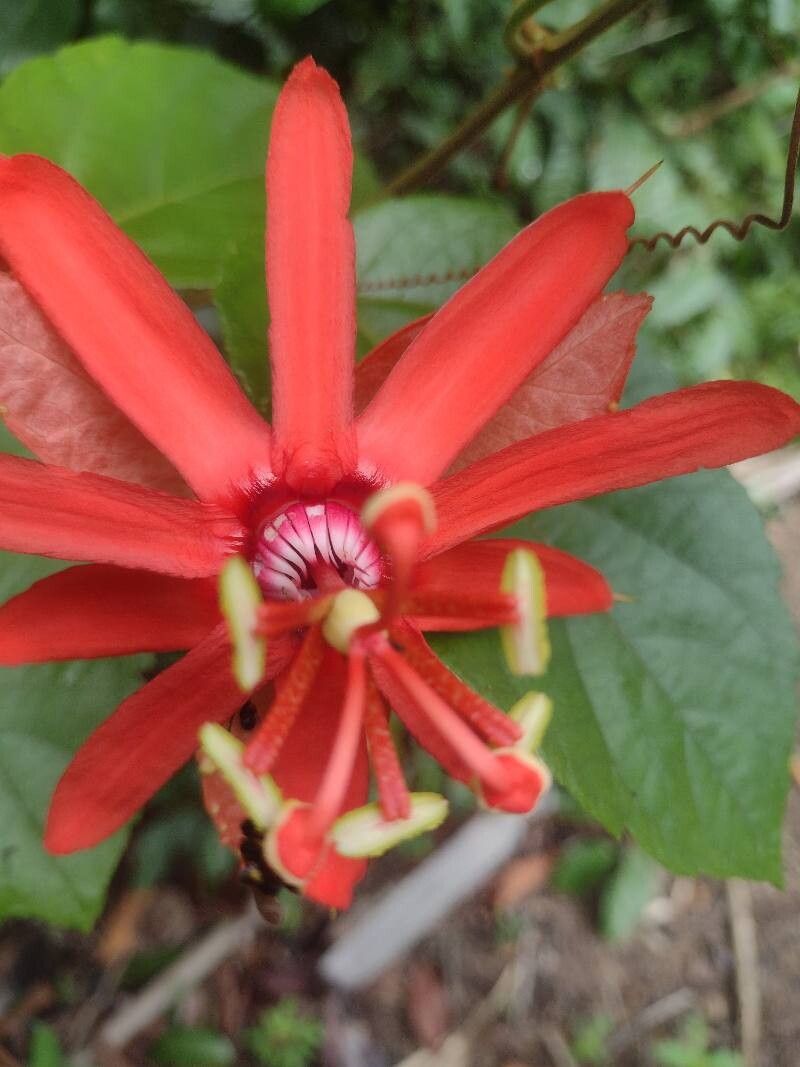
Hello fellow plant enthusiasts! If you’ve ever gazed upon the intricate beauty of Passiflora araujoi, you know it’s a stunner. Its delicate, star-like flowers and unique foliage have captured my heart for years. And the best part? Sharing that beauty is surprisingly achievable. Propagating this lovely passionflower isn’t overly difficult, even for those just dipping their toes into the world of plant multiplication. It’s a wonderfully rewarding feeling to nurture a new life from a tiny piece of your established plant.
The Best Time to Start
Generally, the sweet spot for propagating most passionflowers, including Passiflora araujoi, is late spring to early summer. This is when the plant is actively growing and has plenty of energy to put into developing new roots. You want to use semi-hardwood cuttings, which are stems that are no longer brand new and green but haven’t fully hardened off yet. Think of a pencil-thick stem that’s firm but still has a little flexibility.
Supplies You’ll Need
Before we get our hands dirty, let’s gather our tools:
- Sharp Pruning Shears or a Clean Knife: For making clean cuts, which is crucial for good healing and rooting.
- Rooting Hormone: While not strictly essential for all passionflowers, it can significantly boost success rates, especially for choosier varieties. Gel or powder works fine.
- A Gritty, Well-Draining Potting Mix: I love a blend of equal parts peat moss or coco coir, perlite, and coarse sand. This prevents waterlogging, which is a passionflower’s nemesis.
- Small Pots or Seed Trays: Clean containers for your cuttings. Terracotta pots are great because they breathe.
- Plastic Bags or a Propagator: To create a humid environment around your cuttings.
- Watering Can with a Fine Rose: For gentle watering.
- Labels and a Marker: To keep track of what you’ve planted and when.
- (Optional) Bottom Heat Mat: This can really speed up root development, but it’s not a dealbreaker.
Propagation Methods
Let’s dive into how we can create new Passiflora araujoi plants.
Stem Cuttings (My Go-To Method)
This is the most reliable and common way to propagate Passiflora araujoi.
- Select Your Cuttings: Look for healthy, non-flowering stems. You’re aiming for pieces about 4-6 inches long.
- Make the Cut: Using your sharp shears or knife, make a clean cut just below a leaf node. A leaf node is where a leaf attaches to the stem.
- Prepare the Cutting: Gently remove the leaves from the bottom half of the cutting. If the remaining leaves are very large, you can cut them in half horizontally. This reduces water loss.
- Apply Rooting Hormone: Dip the bottom cut end into your rooting hormone, ensuring it’s coated evenly. Tap off any excess.
- Plant the Cuttings: Make a small hole in your prepared potting mix with a pencil or your finger. Insert the cutting, ensuring the nodes where you removed leaves are buried. Gently firm the soil around the base.
- Water Gently: Water thoroughly but carefully, so you don’t dislodge the cuttings.
- Create Humidity: Cover the pot with a clear plastic bag or place it in a propagator. Use stakes to keep the plastic from touching the leaves.
Water Propagation (A Fun Alternative)
While I prefer soil for passionflowers, water propagation can be a visual treat.
- Take Cuttings: Follow steps 1-3 from the stem cutting method.
- Place in Water: Put the cuttings in a clean jar or vase filled with fresh water.
- Positioning is Key: Make sure no leaves are submerged in the water. Only the leaf nodes should be in contact with the water. This prevents rot.
- Change Water Regularly: Change the water every few days to keep it fresh and prevent bacterial buildup.
- Wait for Roots: You’ll see little white nubs (root primordia) emerging from the nodes. Wait until these roots are about an inch long before attempting to pot them up.
The “Secret Sauce” (Pro Tips)
Over the years, I’ve learned a few tricks that can make all the difference.
- Think “Bottom Heat”: If you have a heat mat, set your pots on it. Passionflowers love a warm base, and this encourages root formation much faster than ambient room temperature alone. It creates that cozy environment they crave.
- Don’t Rush the Potting: When propagating in soil, resist the urge to fiddle too much. Let those cuttings settle in. I often wait at least 3-4 weeks before gently tugging a cutting to feel for resistance, which indicates new root growth.
- The “Greenhouse Effect”: For water propagation, I find that using a jar with a slightly narrower opening at the top helps to keep the humidity around the cutting without the entire jar being sealed. It’s a subtle but effective way to mimic a humid environment.
Aftercare & Troubleshooting
Once your cuttings have developed roots (you’ll feel resistance when you gently tug, or see roots emerging from the drainage holes), it’s time for a bit more attention.
Potting Up: Gently transplant your rooted cuttings into their own small pots filled with that well-draining mix. Water them in well. Keep them in a bright location, but out of direct, harsh sun for the first week or two. Gradually acclimate them to their final spot.
Troubleshooting:
- Wilting: This is often a sign of underwatering, or if it happens shortly after potting, it could be transplant shock. Ensure consistent moisture, but still avoid soggy soil.
- Rot: This is the big one and is almost always caused by overwatering or poor drainage. If you see the stem turning black and mushy at the soil line, it’s likely rot. Unfortunately, it’s usually terminal. Prevention is key here!
- No Rooting: Be patient! Some cuttings just take their time. If after 6-8 weeks you see no signs of growth and the stem is still firm, gentle probing might reveal if roots have formed. If not, sometimes it’s just a bad cutting. Don’t get discouraged; try again!
A Encouraging Closing
Growing new plants from cuttings is a journey of patience and observation. Nature works on its own schedule, and sometimes things don’t go according to plan. But the thrill of seeing those tiny roots emerge, knowing you’ve helped a new plant begin its life, is truly special. So grab your tools, find a healthy stem, and give it a go. Enjoy every step of the process! Happy gardening!
Resource:
https://identify.plantnet.org/k-world-flora/species/Passiflora%20araujoi%20Sacco/data