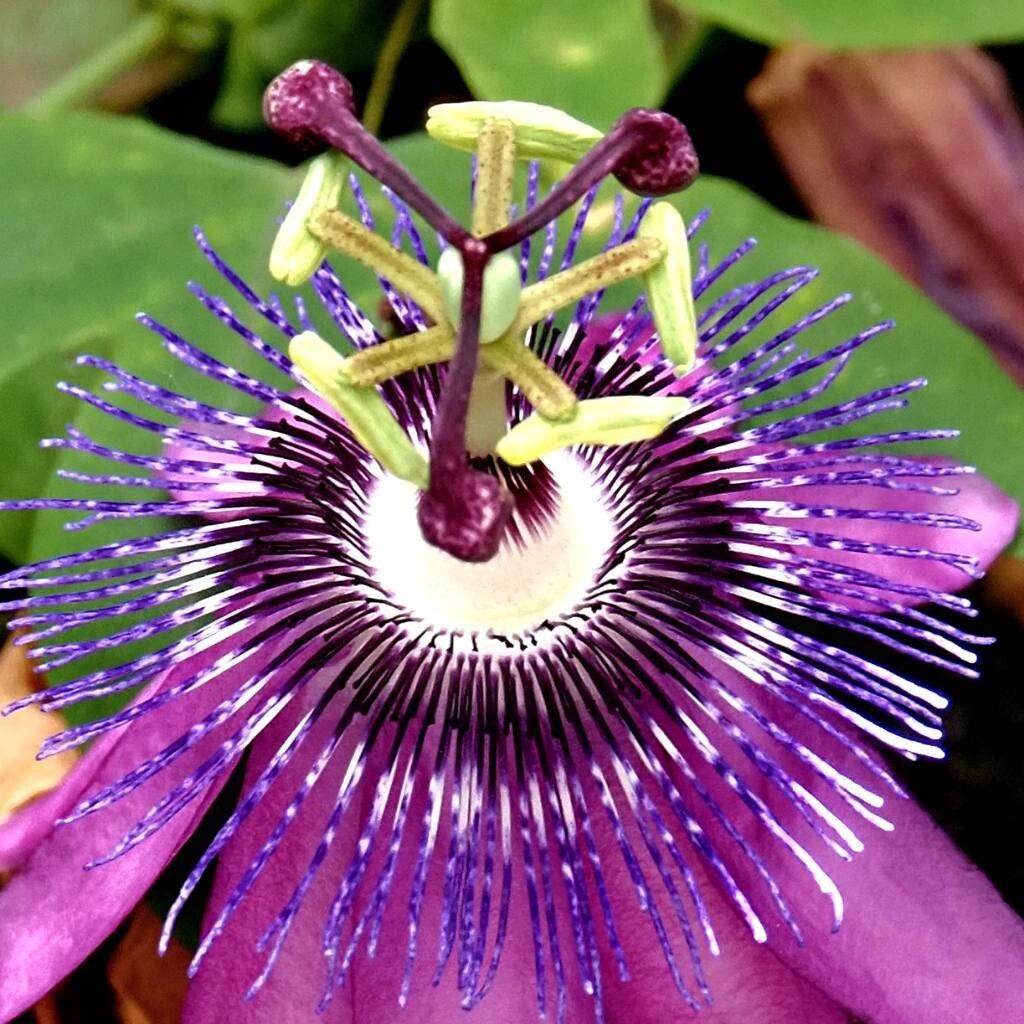
Hello there, fellow plant lovers! I’ve got a real treat for you today. We’re going to dive into the wonderful world of propagating Passiflora amethystina. If you’re a fan of those breathtaking blue-purple blooms and the whimsical, intricate beauty of passionflowers, you’re in for a treat. I’ve spent years coaxing these beauties to life from cuttings, and let me tell you, there’s nothing quite as satisfying as watching a tiny piece of your favorite plant transform into a whole new specimen.
Now, for those of you just dipping your toes into the propagation pool, Passiflora amethystina can be a tad bit finicky. It’s not quite as straightforward as, say, a pothos, but with a little patience and the right approach, it’s absolutely achievable. The reward? More of those stunning flowers gracing your garden or porch – a win-win in my book!
The Best Time to Start
Timing is everything when it comes to starting new plants, and for Passiflora amethystina, late spring to early summer is your golden ticket. This is when the plant is actively growing, and those fresh, non-woody stems have the best energy reserves to develop roots. Look for stems that are still a bit flexible but have started to mature slightly, not the brand new, floppy green shoots. Think of it as capturing that burst of springtime vitality.
Supplies You’ll Need
Here’s what I usually gather before I start:
- Sharp, clean pruning shears or a sharp knife: Crucial for clean cuts that heal well.
- Small pots or seed trays: I prefer terracotta for their breathability, but plastic works too.
- A good quality potting mix: A blend that drains well is key. I like to mix coarse perlite or pumice with a good seed-starting mix to ensure excellent aeration.
- Rooting hormone (powder or gel): This is optional but can give your cuttings a significant boost.
- A clear plastic bag or a propagator lid: To create a humid microclimate.
- Labels and a marker: To keep track of what you’ve planted and when.
- A spray bottle: For misting.
Propagation Methods
Let’s get our hands dirty! The most reliable way I’ve found to propagate Passiflora amethystina is with stem cuttings.
Stem Cuttings (The Tried and True Method)
- Select Your Cuttings: Head to your healthy Passiflora amethystina. Look for a stem that’s about 6-8 inches long and has at least two or three sets of leaves. Make a clean cut just below a leaf node (that little bump where a leaf emerges). This is where the magic happens for root development.
- Prepare the Cutting: Gently remove the lower leaves, leaving only the top couple of leaves intact. If the remaining leaves are quite large, I’ll often cut them in half horizontally. This reduces water loss while still giving the cutting enough energy from photosynthesis. You can also snip off any tiny flower buds or tendrils; we want all the plant’s energy focused on making roots.
- Apply Rooting Hormone (Optional but Recommended): Dip the cut end of your stem into your rooting hormone, tapping off any excess. This little helper encourages faster, stronger root growth.
- Plant Your Cuttings: Fill your small pots with your well-draining potting mix. Make a small hole in the center with your finger or a pencil. Carefully insert the cut end of the stem into the hole, ensuring the leaf nodes you removed are below the soil surface. Gently firm the soil around the cutting.
- Create a Humid Environment: Water the soil thoroughly until it’s moist but not waterlogged. Then, cover the pot with a clear plastic bag or place it under a propagator lid. This traps humidity, preventing the cutting from drying out. Make sure the bag doesn’t touch the leaves of the cutting.
- Find a Warm Spot: Place your potted cuttings in a bright spot that doesn’t receive direct, harsh sunlight. A warm windowsill is usually perfect.
The “Secret Sauce” (Pro Tips)
Over the years, I’ve learned a few tricks that really make a difference:
- Bottom Heat is Your Friend: If you have a seedling heat mat, placing your pots on it can dramatically speed up root formation. Passionflowers absolutely love warmth from below.
- Don’t Drown Your Dreams: While humidity is vital, overwatering is the quickest way to kill a cutting. The soil should feel consistently moist, not soggy. If you see water pooling on top, ease up a bit.
- The Grafting Trick (for the adventurous!): For those truly committed to success, grafting a cutting onto a more vigorous rootstock can be an option. This is a more advanced technique, but it can lead to very strong, quickly growing plants.
Aftercare & Troubleshooting
Be patient! It can take anywhere from 3 to 8 weeks for your cuttings to develop roots. You’ll know they’ve rooted when you see new growth appearing at the top. You can also gently tug on the cutting; if there’s resistance, roots are likely forming.
Once you see signs of life, you can gradually acclimate your new plant to normal room humidity by opening the plastic bag a little more each day over a week. Continue to keep it in bright, indirect light and water it when the top inch of soil feels dry.
The most common culprit for failure is rot, which usually stems from too much moisture and poor drainage. If your cutting turns mushy or black at the base, it’s unfortunately succumbed to rot. Don’t be discouraged! Learn from it, and try again with better drainage or less frequent watering.
A Encouraging Closing
Propagating Passiflora amethystina is a journey, and like all good journeys, it’s about the learning and the joy of nurturing new life. Don’t get discouraged if your first attempt isn’t a runaway success. Each cutting is a lesson, and with a little practice, you’ll soon be sharing your beautiful passionflowers with friends and family. So grab your shears, get those hands dirty, and enjoy the magical process of bringing more of these stunning blooms into your world! Happy growing!
Resource:
https://identify.plantnet.org/k-world-flora/species/Passiflora%20amethystina%20J.C.Mikan/data