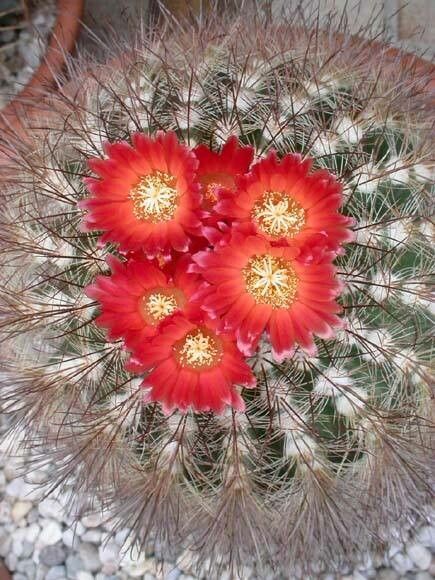
Hey there, fellow plant lovers! I’m so excited to chat with you today about a true gem of the succulent world: Parodia hausteiniana. If you’ve ever admired its striking globular shape, often adorned with delicate, fuzzy spines, you know it’s a little architectural wonder. Propagating this beauty is incredibly rewarding. You get to share it with friends, fill out your collection, or simply experience the magic of watching a new life emerge from a piece of an old one. Now, is it easy for absolute beginners? I’d say it’s moderately straightforward. It requires a little attention to detail, but nothing too daunting. Just follow along, and you’ll do wonderfully.
The Best Time to Start
When it comes to getting the best results with Parodia hausteiniana, spring is your best friend. This is when the plant is getting ready to truly wake up and start its growing season. New growth is vigorous, and cuttings or offsets taken now will have the energy they need to establish roots without feeling too stressed. You can also have good success in early summer, but I find spring gives you that extra bit of a head start.
Supplies You’ll Need
Gathering your tools before you begin makes the whole process smoother. Here’s what I usually have on hand:
- Well-draining potting mix: A cactus and succulent blend is perfect. I often amend mine with extra perlite or pumice to ensure it’s super airy.
- Sharp pruning shears or a clean knife: For making clean cuts. Sterilize them with rubbing alcohol before and after use!
- Rooting hormone: This is optional but can really speed up the process and improve success rates, especially for stem cuttings.
- Small pots or trays: For your new propagations. Make sure they have drainage holes.
- Spray bottle: For light misting.
- Gloves: Cactus spines can be surprisingly persistent!
- A warm, bright location: Crucially, one that avoids direct, harsh sunlight initially.
Propagation Methods
Parodia hausteiniana is most commonly propagated by offsets or stem cuttings. Offsets are the little baby plants that sometimes sprout around the base of the parent cactus. They’re like mini-me’s!
1. Propagating Offsets:
This is the easiest method if your plant is producing them.
- First, gently remove the offset from the mother plant. You might need to use your knife or shears to carefully detach it, ensuring you get a clean break with some of its own tiny root structure if possible.
- Allow the offset to callus over for a day or two. This means letting the cut end dry out. Simply place it on a clean paper towel in a dry, airy spot. This is crucial to prevent rot.
- Once callused, plant the offset in your prepared cactus mix. Just nestle the base into the soil.
- Water lightly after about a week. Don’t drench it; just moisten the soil surface.
2. Propagating Stem Cuttings:
This is how you propagate if your cactus is tall and you want to create more from the top.
- Using your sterilized shears, take a clean, healthy cutting from the top of your Parodia hausteiniana. Aim for a piece about 3-4 inches long.
- As with offsets, the most critical step here is to let the cutting callus fully. This can take from a few days to a week, depending on your climate. You want to see a dry, hardened scab form over the cut end. Be patient!
- Once callused, you have two good options:
- Dry Planting: Simply place the callused end into your well-draining potting mix, burying it about an inch deep.
- Water Propagation (with caution!): You can suspend the callused end in water. However, for cacti, this method requires extra vigilance. Ensure only the very base of the cutting is touching the water, and change the water every few days to keep it fresh. This method is more prone to rot if not done carefully. I usually prefer dry planting for cacti.
- Whichever method you choose, place the pot in a bright spot out of direct sun and keep the soil barely moist, watering only when the soil is dry to the touch.
The “Secret Sauce” (Pro Tips)
You know, after years of dabbling, I’ve picked up a few tricks that seem to make all the difference.
- The Magic of Bottom Heat: If you’re using stem cuttings and want to give them a real boost, place the pot on a gentle heat mat designed for seedlings. This mimics the warmth of the soil in their native habitat and encourages roots to form much faster. Just a little warmth goes a long way!
- Don’t Rush the Watering: This is where many go wrong. For newly planted cuttings or offsets, less is more when it comes to water. You’re waiting for roots to form, and a soggy environment is their worst enemy and a fast track to rot. I typically wait at least a week, sometimes two, after planting before the first light watering.
- Inspect, Inspect, Inspect: For water propagation, never let the leaves or spines of the cutting touch the water. This is a surefire way to invite rot to dinner. If water levels drop too low, add more, but don’t let the plant sit in stagnant water.
Aftercare & Troubleshooting
Once your Parodia hausteiniana cutting or offset has developed roots, you’ll notice it’s more stable when you gently tug it. You might even see tiny new spines emerging!
- Gradually Introduce Light: Once roots are established, slowly acclimate your new plant to brighter light. Start with a few hours of morning sun and gradually increase exposure. Eventually, it can handle similar light conditions to your mature plant.
- Watering: Water thoroughly when the soil is completely dry. This means letting water run through the drainage holes, then allowing the soil to dry out again before the next watering.
- Troubleshooting: The biggest issue you’ll encounter is rot. If you see your cutting turning mushy, dark, or translucent, it’s likely rotting. Unfortunately, once rot sets in, it’s very difficult to save. This is almost always due to too much moisture or insufficient drainage. If you catch it early, you might be able to cut away the rot and attempt to re-callus and replant the healthy portion, but prevention is key! Another sign of trouble can be shriveling. If it’s shriveling and not rotting, it might just be thirsty, but always check the soil moisture first.
A Encouraging Closing
Growing plants from cuttings is a journey, and like any good journey, it’s about the experience. Be patient with your Parodia hausteiniana propagations. They take their time, and that’s perfectly okay. Enjoy the process, celebrate the tiny signs of new life, and don’t be discouraged by the occasional setback. You’ve got this! Happy propagating!
Resource:
https://identify.plantnet.org/k-world-flora/species/Parodia%20hausteiniana%20Rausch/data