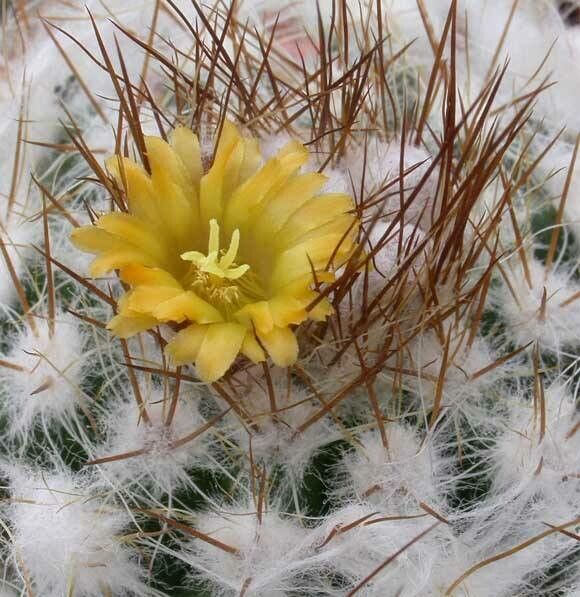
Hello fellow plant lovers! It’s so wonderful to be back here with you, sharing my passion for all things green. Today, we’re diving into the delightful world of propagating Parodia ayopayana. This little cactus, with its gloriously fuzzy appearance and charming golden spines, is an absolute treat in any collection. Trust me, watching a tiny pup unfurl and grow into its own magnificent specimen is one of the most satisfying feelings a gardener can experience.
Now, I know some cacti can be a bit intimidating, but Parodia ayopayana is actually quite forgiving, which makes it a fantastic choice for those just dipping their toes into propagation. You’ll find the rewards far outweigh any initial apprehension.
The Best Time to Start
My absolute favorite time to get my hands dirty with Parodia ayopayana propagation is in the spring and early summer. This is when the plant is actively growing and has plenty of energy to put into developing roots. Think of it as giving your new babies the best possible start with plenty of sunshine and warmth. Avoid trying to propagate during the plant’s dormant period in winter; you’ll just be met with disappointment.
Supplies You’ll Need
Before we get started, let’s gather our supplies. Having everything ready will make the process so much smoother.
- Well-draining cactus and succulent potting mix: I like to mix my own by combining coarse sand, perlite, and a good quality potting soil. A 1:1:1 ratio usually works wonders.
- Sharp, clean pruning shears or a very sharp knife: Sterilize them with rubbing alcohol to prevent the spread of any nasty bugs or diseases.
- Small pots or seedling trays: Make sure they have drainage holes!
- Rooting hormone (optional but recommended): A little powder can give your cuttings a significant boost.
- A spray bottle: For gentle misting.
- Gloves (optional): If you’re sensitive to the cactus spines.
- Newspaper or paper towels: To help handle the cactus.
Propagation Methods
Let’s get propagating! For Parodia ayopayana, we’re going to focus on the easiest and most reliable method: offsets (pups).
- Identify the Offsets: Look around the base of your mature Parodia ayopayana. You’ll often find small, baby cacti, called offsets or pups, growing from the main stem. They usually have their own tiny spines and look like miniature versions of the parent plant.
- Prepare for Removal: Gently brush away any soil from the base of the offset you want to remove. You want to get a clear view of where it connects to the parent plant.
- Carefully Detach: Using your sterilized pruning shears or knife, carefully cut the offset away from the parent plant. Try to make a clean cut as close to the base as possible. If the offset has a small root nub, even better!
- Callousing is Key: This is a crucial step for cacti! Lay the detached offset on a clean surface in a dry, well-ventilated spot for a few days to a week. You want the cut surface to dry out and heal over, forming a callus. This prevents rot when you plant it. I usually give mine about 5-7 days, turning them occasionally.
- Planting Your Pup: Once the cut has calloused, it’s time to plant! Fill your small pot with your well-draining cactus mix. Make a small indentation in the soil. If you’re using rooting hormone, dip the calloused end of the offset into the hormone powder before placing it in the indentation.
- Bury Gently: Gently press the offset into the soil, ensuring the calloused end is covered. You don’t need to bury it deeply; just enough to keep it upright and stable.
- Initial Watering: Do NOT water immediately after planting. Wait for about a week to 10 days. This gives any tiny wound on the offset a chance to heal further and reduces the risk of rot.
The “Secret Sauce” (Pro Tips)
Here are a few of my little tricks that have made all the difference over the years:
- Bottom Heat is Your Friend: For an extra boost, especially if your house tends to be a bit cool even in spring, consider placing your newly potted offsets on a seedling heat mat. This gentle warmth encourages faster root development. Just make sure it’s not too hot; you don’t want to cook your little ones!
- Less is More with Light (Initially): While Parodia ayopayana loves sun, newly propagated offsets can be a bit sensitive. Place them in bright, indirect light for the first couple of weeks. Once you see signs of growth, you can gradually introduce them to more direct sunlight. Too much sun exposure too soon can scorch them.
- Patience, Dear Gardener: This isn’t really a “secret sauce” but a crucial mindset shift. Cacti are masters of slow and steady. Don’t panic if you don’t see immediate root growth. It can take weeks, sometimes months, for them to establish. Trust the process!
Aftercare & Troubleshooting
Once your Parodia ayopayana offset has successfully rooted (you’ll know by the way it feels firm and begins to show new growth), you can start treating it like a miniature version of its parent.
- Watering: Water sparingly, only when the soil is completely dry. It’s better to underwater than overwater. During their active growing season (spring and summer), water a bit more frequently than in the fall and winter.
- Light: Gradually move it into a spot with bright, direct sunlight.
- Repotting: Once it outgrows its initial pot, usually after a year or two, you can repot it into a slightly larger one with fresh cactus mix.
The most common problem you’ll encounter is rot. If your offset looks mushy, discolored, or starts to collapse, it’s likely rot. This usually happens from overwatering or planting it before the cut surface had adequately calloused. If you catch it early, you can try to cut away the rotten parts and let the healthy section callous again, but often it’s a sign the propagation has failed.
A Encouraging Closing
Propagating Parodia ayopayana is a journey, and like any good journey, it’s about the experience as much as the destination. Be patient with your little spiny friends, celebrate every tiny sign of growth, and enjoy the rewarding process of bringing more of these wonderful plants into your life. Happy propagating!
Resource:
https://identify.plantnet.org/k-world-flora/species/Parodia%20ayopayana%20Cárdenas/data