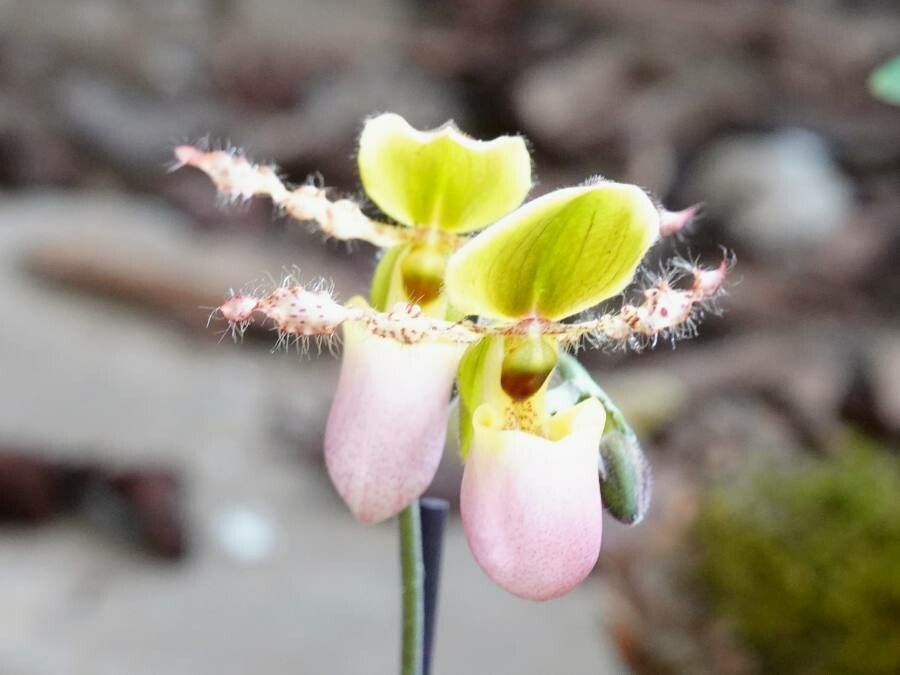
Hello fellow plant enthusiasts! Today, we’re diving into the delightful world of Paphiopedilum victoria-regina, often known as the Queen of the Slipper Orchids. If you’ve ever admired their unique pouch-like blooms, you know just how special they are. The deep greens of their foliage and those captivating flowers make them a true jewel in any collection.
Propagating these beauties is incredibly rewarding. It means you can share their magic with friends, expand your own collection, or simply experience the joy of coaxing new life from an established plant. Now, I won’t sugarcoat it – Paphiopedilum victoria-regina can be a little more hands-on than your average houseplant when it comes to propagation. It’s not a beginner’s first foray into plant multiplication, but with a bit of care and attention, it’s absolutely achievable, and the results are so worth it!
The Best Time to Start
Honestly, the sweet spot for propagating Paphiopedilum victoria-regina is when the plant is actively growing. For most of us, this means spring or early summer. You’ll notice fresh leaves emerging and perhaps even a new growth bud forming at the base. This vigorous phase signals that the plant has the energy reserves it needs to put into producing new roots and shoots. Avoid propagating when the plant is dormant or stressed.
Supplies You’ll Need
Gathering your supplies beforehand makes the whole process smoother. Here’s what I like to have on hand:
- Sterilized Pruning Shears or a Sharp Knife: Crucial for clean cuts that reduce the risk of disease.
- Sphagnum Moss: High-quality, long-fibered. This is our best friend for creating a humid, airy environment.
- Perlite: Helps with drainage and aeration in our potting mix.
- Orchid Bark (small grade): Adds structure and air pockets.
- Orchid Potting Mix or a Custom Blend: I often mix about 2 parts sphagnum moss, 1 part perlite, and 1 part orchid bark for these beauties.
- Small Pots or Containers: Clean ones, of course! Seedling trays or small plastic pots work well.
- Rooting Hormone (Optional but Recommended): A powder or gel form can give those new roots a helpful boost.
- Watering Can with a Fine Rose: For gentle watering.
- Clear Plastic Bags or a Small Greenhouse: To create a humid environment for cuttings.
Propagation Methods
The most successful method for Paphiopedilum victoria-regina is division. These orchids don’t readily produce stem cuttings like some other plants, but their rhizomatous growth makes division a natural fit.
Division: Creating New Plants from Existing Ones
-
Assess Your Plant: Look for a well-established Paphiopedilum victoria-regina that has at least two or three new growths emerging from the base of the old ones. Separate growths are easier to handle and have a better chance of survival.
-
Gently Remove from Pot: Carefully slide the orchid out of its pot. If it’s stuck, gently squeeze the pot or run a knife around the edge. You want to disturb the roots as little as possible.
-
Clean Away Old Medium: Gently tease away as much of the old potting mix as you can. This allows you to see the root structure clearly.
-
Inspect and Separate: Locate where the new growths connect to the main rhizome. Using your sterilized shears or knife, carefully cut between the growths, ensuring each new division has at least two healthy leaves and a portion of the rhizome with at least one or two viable roots attached. Don’t be afraid to sacrifice a bit of older root if it means getting a good piece.
-
Treat Wounds (Optional): If you’ve had to make a larger cut, you can lightly dust the exposed rhizome with cinnamon powder or a fungicide to prevent rot.
-
Potting Up: Fill your clean pots with your prepared orchid mix. Position each new division so the top of the rhizome is just at the surface of the mix, or slightly below. Gently firm the mix around the roots.
The “Secret Sauce” (Pro Tips)
Here are a few things I’ve learned over the years that really make a difference:
-
The “No Drowning” Rule: When you water your newly divided plants, never let the crown of the plant sit in water. The area where the leaves emerge is susceptible to rot. Water thoroughly, then let it drain completely.
-
High Humidity is Key: These divisions need a super humid environment to encourage new root formation. Pop them into a clear plastic bag with a few air holes or place them in a small greenhouse. This creates a mini-ecosystem that keeps the leaves from drying out.
-
Patience is Your Best Friend: Paphiopedilums are not fast growers. Don’t be discouraged if you don’t see significant new growth for several weeks, or even a couple of months. They are settling in and building their root system beneath the surface before they show off above.
Aftercare & Troubleshooting
Once your divisions are potted up and happily residing in their humid little homes, your job is to provide consistent, gentle care.
-
Watering: Water thoroughly when the potting mix is barely dry to the touch. This might be once every 7-10 days, depending on your conditions. Always ensure good drainage.
-
Light: Place them in bright, indirect light. Avoid direct sun, which can scorch the leaves.
-
Fertilizing: Once new growth is visibly emerging (you’ll see it), you can start feeding with a diluted orchid fertilizer (about quarter strength) every other watering.
The most common issue you’ll face is rot. If you notice leaves yellowing and becoming mushy, or if the base of the plant looks brown and slimy, this is usually a sign of overwatering or poor air circulation. Immediately remove the affected plant from its pot and try to clean away any rot. You might need to cut away rotten parts of the rhizome, and then repot in fresh, dry mix. If rot is severe, unfortunately, the plant may not be salvageable.
A Little Bit of Patience Goes a Long Way
So there you have it – a gentle guide to propagating your lovely Paphiopedilum victoria-regina. Remember, every plant is an individual, and some might take their sweet time. Embrace the process, enjoy the nurturing, and before you know it, you’ll be admiring those exquisite blooms on more than one of your own slipper orchids. Happy growing!
Resource: