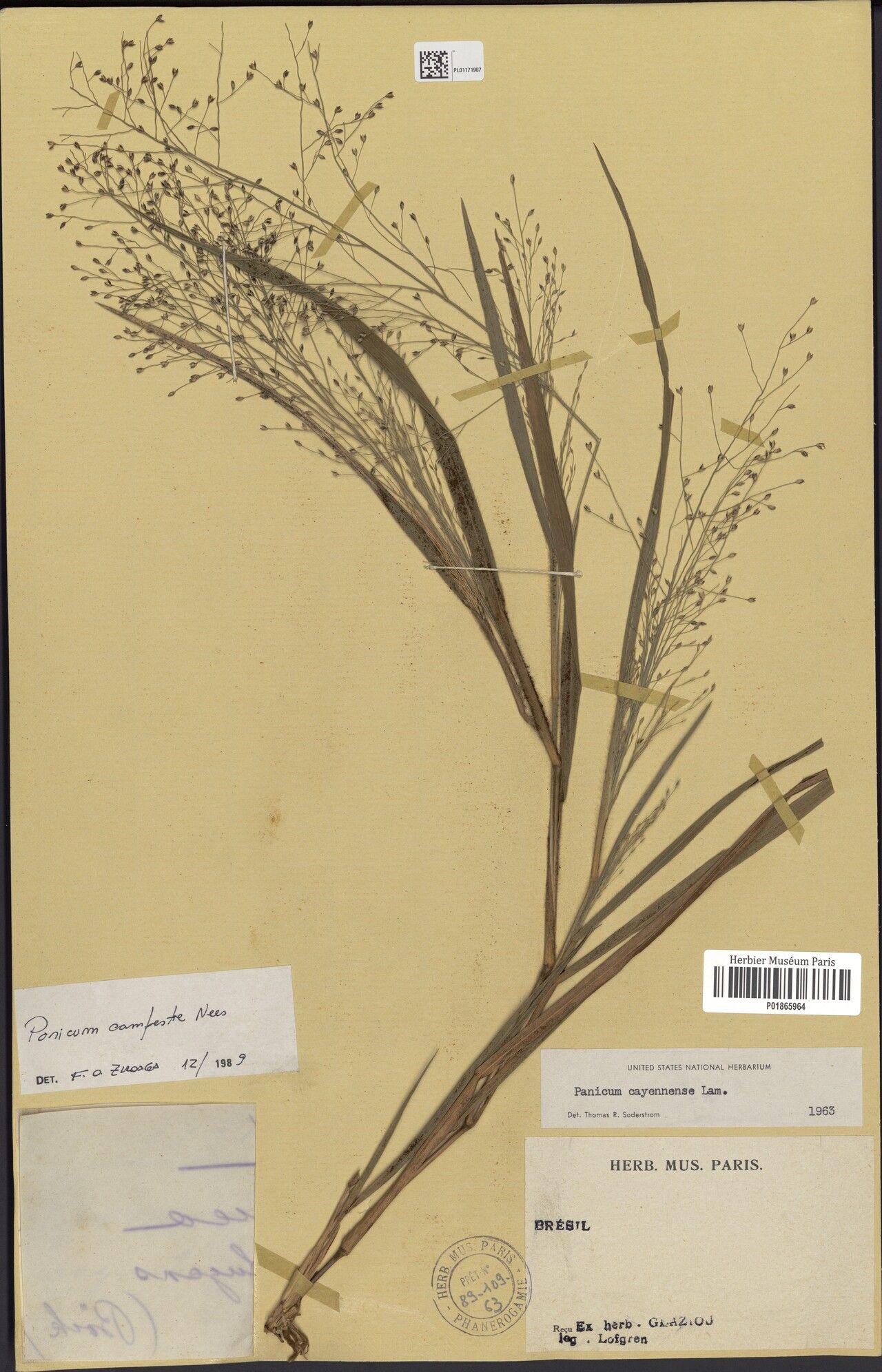
Hello there, fellow plant enthusiasts! It’s so lovely to have you join me today. I want to talk about a plant that has really captured my heart over the years, and that’s Panicum campestre, or prairie switchgrass. This grass brings such beautiful movement and texture to any garden. Its feathery plumes dance in the breeze, and in the fall, they turn this lovely bronze-red. Honestly, it’s just a joy to watch. And the best part? It’s remarkably easy to grow more of it! If you’re new to gardening, don’t be intimidated. Panicum campestre is a fantastic plant to start with when you want to expand your collection. Seeing a tiny slip of a plant grow into a robust new specimen is one of the most rewarding feelings in the garden.
The Best Time to Start
For Panicum campestre, the absolute best time to think about propagation is in early to mid-spring. This is when the plant is just waking up from its winter rest and has that fresh, vibrant energy to put into new growth. Starting then gives your new divisions or cuttings plenty of time to establish themselves before the heat of summer or the cold of fall really sets in. You can also divide in the fall, but spring is generally more forgiving.
Supplies You’ll Need
Here’s a little kit you’ll want to gather before you get started:
- Sharp Pruning Shears or a Clean Knife: Essential for making clean cuts and dividing large clumps.
- Garden Trowel or Small Spade: For loosening soil and gently teasing apart roots.
- Well-Draining Potting Mix: A good mix for grasses usually includes compost, perlite, and a bit of coarse sand. I often use a blend of equal parts compost and perlite, sometimes with a touch of coco coir.
- Pots or Containers: New homes for your propagating plants. Make sure they have drainage holes!
- Watering Can or Hose with a Gentle Setting: To keep things consistently moist, but not soggy.
- Rooting Hormone (Optional but Recommended for Cuttings): This little boost can significantly improve your success rate when taking stem cuttings.
- Labels and a Permanent Marker: So you remember what you planted where!
Propagation Methods
Panicum campestre is most commonly propagated through division. It’s really straightforward and usually yields great results.
Division:
- Dig Up the Mother Plant: In early spring, before new growth really takes off, gently dig up your established Panicum campestre plant. You can use your trowel or spade to loosen the soil around the perimeter, and then carefully lift the entire root ball.
- Clean Off Excess Soil: Gently shake off some of the excess soil from the roots. This will help you see where healthy divisions can be made.
- Divide the Clumps: Now for the satisfying part! You can either use your hands to pull the root ball apart, or if it’s a dense clump, use your sharp pruning shears or spade to cut it into smaller sections. Aim for sections that have both foliage and a good amount of healthy roots attached. You’ll want each new division to have at least one or two shoots.
- Replant Immediately: Don’t let those divisions dry out! Plant them in their new spots in the garden or into prepared pots filled with your well-draining potting mix. Make sure the crown (where the leaves emerge from the roots) is at soil level.
- Water Thoroughly: Give your newly divided plants a good soak. This helps settle the soil around the roots and reduces transplant shock.
The “Secret Sauce”
Here are a few little tricks I’ve learned over the years that can make a big difference:
- Don’t Be Shy with the Divide: When dividing, I sometimes find that vigorous plants can have very dense root balls. Don’t be afraid to be a little firm. If you’re having trouble pulling it apart, a sharp spade or even a clean, sturdy knife can slice through tough roots. Just be sure to make a clean cut.
- Give New Divisions a Head Start in Pots: Especially for beginners or if you’re doing this a bit later in the season, I find planting divisions in pots first is a lifesaver. It allows you to control the environment more easily, ensuring they get consistent moisture and can establish roots before facing the challenges of being in the ground. Once they show good new growth, you can transplant them out.
Aftercare & Troubleshooting
Once your Panicum campestre is divided and replanted, keep a close eye on it.
- Consistent Moisture: For the first few weeks, water regularly. The soil should be kept consistently moist, similar to a wrung-out sponge. As the plant establishes, you can gradually reduce the frequency of watering, especially if you get regular rainfall.
- Observe New Growth: You’ll know your divisions are happy when you see new shoots emerging. This is the best indicator that the roots are successfully taking hold.
- Signs of Trouble: The most common problem you might encounter is rot, especially if the soil stays too wet. You might see wilting foliage that doesn’t seem to recover, or the base of the plant can become mushy. If a division looks like it’s rotting, it’s best to remove it to prevent it from spreading. Make sure your soil drains well to avoid this.
Don’t get discouraged if every single division doesn’t make it. Gardening is a journey of learning and experimenting. Be patient with your new plants and yourself. Enjoy the process of watching them grow and thrive. Happy propagating!
Resource:
https://identify.plantnet.org/k-world-flora/species/Panicum%20campestre%20Nees%20ex%20Trin./data