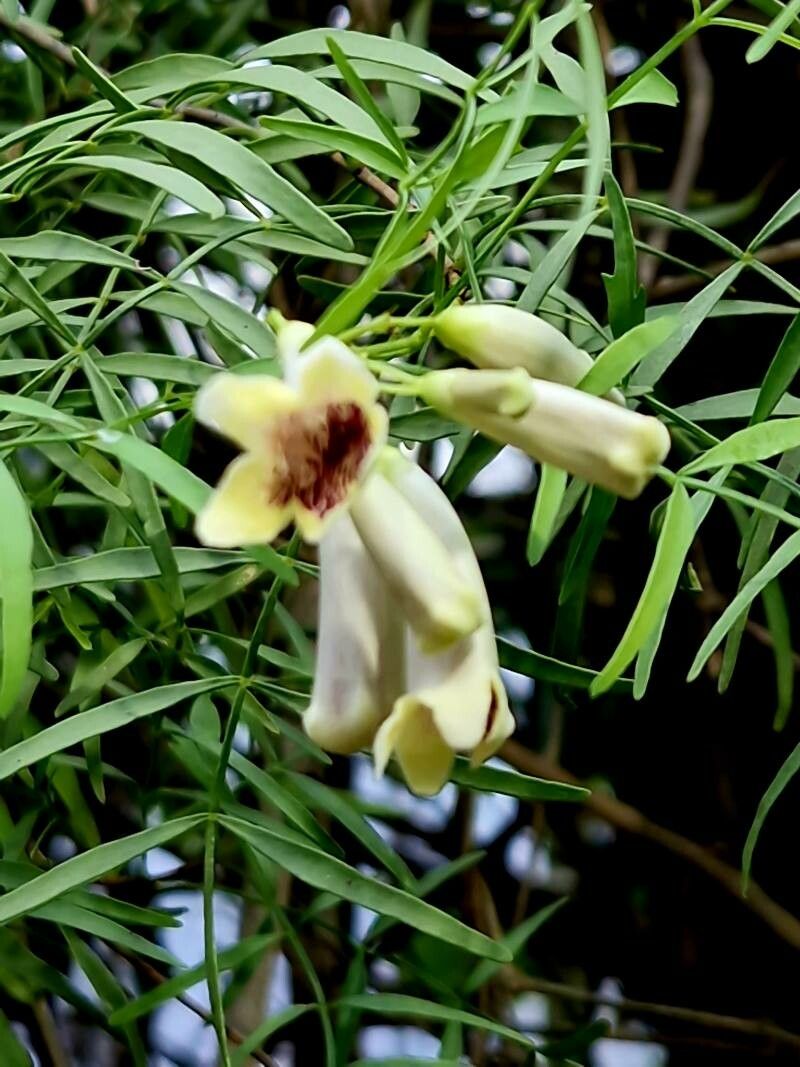
Oh, hello there! Come on in, pull up a chair. I’ve got a fresh pot of coffee brewing and I’m just itching to talk to you about one of my very favorite climbers: Pandorea pandorana, or as it’s more commonly known, Wonga Wonga Vine.
Introduction: A Blooming Reward
There’s something truly magical about watching a plant you’ve grown yourself take off. And with Wonga Wonga Vine, you get to experience that magic with a plant that offers spectacular, trumpet-shaped blooms in shades of creamy white, often with a subtle yellow throat. It’s a vigorous climber that can transform a drab fence or pergola into a floral wonderland.
Now, if you’re just starting your gardening journey, don’t be shy! Propagating Pandorea pandorana is surprisingly accessible, even for beginners. It’s a rewarding process that’s less about complicated techniques and more about understanding a few key principles.
The Best Time to Start
For the best chance of success with your Pandorea pandorana cuttings, you want to work with actively growing softwood or semi-hardwood material. This generally means aiming for late spring to early summer. You’re looking for stems that are flexible but starting to firm up. Avoid anything too soft and floppy (that’s too new) or too woody and rigid (that’s too old). Think of it like a pencil – you want it to bend a little, but not snap easily.
Supplies You’ll Need
Gathering your tools beforehand makes the whole process much smoother. Here’s what I usually have on hand:
- Sharp Pruning Shears or a Craft Knife: For clean cuts that heal well. Clean is key!
- Small Pots or Propagation Trays: About 4-6 inches deep work well. Ensure they have drainage holes.
- Well-Draining Potting Mix: A good quality seedling mix or a blend of equal parts peat moss or coir, perlite, and vermiculite.
- Rooting Hormone (Optional, but Recommended): A powder or gel can significantly boost your success rate.
- Plastic Bags or a Propagator Lid: To create a humid environment for your cuttings.
- Watering Can with a Fine Rose: For gentle watering.
- Labels: To keep track of what you’ve planted and when!
Propagation Methods: Stem Cuttings are Your Best Bet
While you can sometimes divide established clumps, stem cuttings are really the most reliable and straightforward way to propagate Pandorea pandorana. Here’s how I do it:
-
Take Your Cuttings: On a mild day (not scorching hot!), select healthy, non-flowering stems from your mature plant. Look for stems that are about pencil-thick and have at least three sets of leaves. Using your clean pruning shears, take cuttings that are around 4-6 inches long. Make the cut just below a leaf node (where a leaf attaches to the stem).
-
Prepare the Cuttings: Gently remove the lower leaves from the cutting, leaving just two or three at the very top. This reduces water loss and prevents leaves from rotting when buried. If the leaves are quite large, I often cut them in half horizontally to further reduce transpiration.
-
Apply Rooting Hormone (If Using): Dip the cut end of each prepared stem into your rooting hormone, tapping off any excess. This step is highly recommended and gives your cuttings a real head start.
-
Potting Up: Fill your clean pots or trays with your prepared, damp potting mix. Make a small hole in the center of the mix with your finger or a pencil.
-
Insert the Cuttings: Carefully insert the base of each cutting into the hole, making sure the leaf nodes are buried. Gently firm the soil around the base of each cutting to ensure good contact.
-
Create Humidity: Water the cuttings gently. Then, either cover the pots with a clear plastic bag (supported so it doesn’t touch the leaves) or place them into a propagator with a lid. This humidity dome is crucial for preventing the cuttings from drying out before they can establish roots.
-
Placement is Key: Place your pots in a warm, bright location, but out of direct sunlight. A greenhouse, a sunny windowsill, or even a sheltered spot outdoors can work. If you have a heat mat, place the trays on it – bottom heat can significantly speed up root development!
The “Secret Sauce” (Pro Tips)
After years of dabbling in propagation, I’ve picked up a few little tricks that just seem to make things go from good to great.
- Don’t Let Those Leaves Touch the Water! This might sound obvious, but if you’re doing water propagation (which is possible with Wonga Wonga, but takes longer and can be more prone to rot), make sure the leaves aren’t submerged. Only the stem should be in the water. Rot is the enemy of cuttings!
- The Power of the Node: When taking cuttings, always ensure your cut is just below a leaf node. This is where the plant’s magic happens, where new roots are most likely to emerge.
- Bottom Heat is Your Friend: Honestly, investing in a small propagator with a heat mat if you’re serious about plant propagation is a game-changer. Even for Wonga Wonga, that gentle warmth from below encourages roots to form much faster and more reliably.
Aftercare & Troubleshooting
Once your cuttings have been potted, it’s all about patience and keeping them happy.
Keep the soil consistently moist but not waterlogged. You should see new leaf growth appearing in anywhere from four to eight weeks, sometimes a little longer, which is a great sign! A gentle tug on a cutting should meet some resistance if roots have formed.
Now, what if things go wrong? The most common culprit is rot. If your cuttings start to look black and mushy, or if the leaves wilt and then blacken, it’s usually a sign of too much moisture and/or poor air circulation. Sadly, in these cases, it’s often best to discard the affected cuttings and start again, paying extra attention to drainage and not overwatering. You might also need to increase ventilation slightly if you notice condensation building up too heavily inside your propagator or plastic bag.
A Encouraging Closing
Propagating Pandorea pandorana is like offering your plant a chance to share its beauty. It takes a little care, a lot of patience, and a smidgen of hope. Don’t be discouraged if your first attempt isn’t perfect – every gardener has had their share of cuttings that didn’t make it. The joy is in the trying, the learning, and the eventual triumph of seeing those tiny roots develop. Happy propagating!
Resource:
https://identify.plantnet.org/k-world-flora/species/Pandorea%20pandorana%20(Andrews)%20Steenis/data