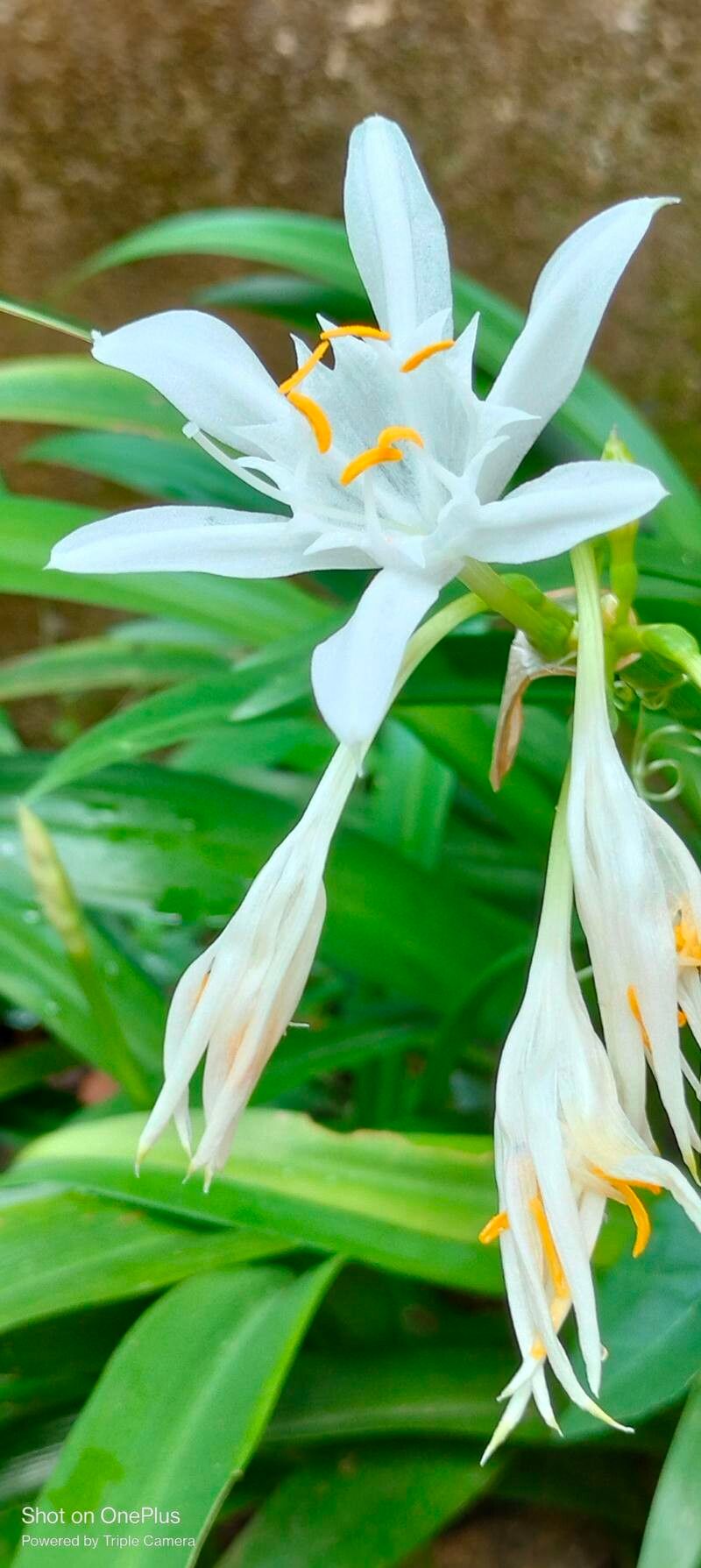
Hello there, fellow plant lovers! Today, we’re going to dive into the delightful world of Pancratium triflorum. If you’re not familiar, imagine clusters of sweet-scented, trumpet-shaped white flowers gracing your garden with their elegant presence. They have this ethereal beauty that just captivates me every time. Propagating them yourself is incredibly rewarding, giving you more of these beauties to share or fill your own sunny spots. Now, for beginners, I’d say Pancratium triflorum sits somewhere in the “moderately easy” category. It’s not quite as simple as a succulent, but with a little care and the right approach, you’ll have fantastic results!
The Best Time to Start
The sweet spot for propagating Pancratium triflorum is after it has finished flowering and is entering its active growth period, typically in late spring or early summer. You want to catch them when they’re feeling energetic and ready to put on a growth spurt. Avoid trying to divide or propagate them when they are dormant or actively flowering, as this can stress the plant and reduce your success rate.
Supplies You’ll Need
Here’s a little checklist to get you started:
- Sharp, clean pruning shears or a sharp knife: Cleanliness is key to preventing disease.
- Well-draining potting mix: I recommend a blend of coarse sand, perlite, and good quality potting soil. You want it to drain like a sieve!
- Small pots or trays: Terracotta pots are great as they allow the soil to breathe.
- Labels: Trust me, you’ll thank yourself later!
- Watering can or spray bottle: For gentle watering.
- (Optional) Rooting hormone: While not always necessary for Pancratium, it can give you a little extra insurance.
Propagation Methods
For Pancratium triflorum, the easiest and most effective way to propagate is through division of the bulbs. These plants form offsets, which are essentially baby bulbs attached to the mother bulb.
Bulb Division: Step-by-Step
- Gently unearth the parent plant: Carefully dig around the base of the mature Pancratium, using your hands or a small trowel. The goal is to lift the entire clump out of the soil with as little root disturbance as possible.
- Inspect the bulbs: You’ll see the main bulb with smaller bulbs attached. Look for offsets that are at least half the size of the parent bulb. These are your best candidates.
- Separate the offsets: Using your clean pruning shears or knife, carefully cut the offsets away from the mother bulb. Make sure each offset has a bit of root attached if possible. If the offsets are stubborn, a gentle twist might do the trick.
- Allow to callous (optional but recommended): For very wet climates or if you notice any open cuts, let the divided bulbs sit in a dry, airy spot for a day or two to allow the cut surfaces to dry and form a protective layer. This helps prevent rot.
- Potting up: Plant each divided bulb in its own small pot filled with your well-draining potting mix. Plant them so the tip of the bulb is just at or slightly below the soil surface. Don’t bury them too deeply.
- Initial watering: Water gently after planting. The soil should be moist but not soggy.
The “Secret Sauce” (Pro Tips)
Here are a couple of little tricks I’ve picked up over the years that really help:
- Don’t over-pot: It’s tempting to put a tiny bulb into a big pot, but this can lead to waterlogged soil and rot. Start your divisions in smaller pots and repot as they grow.
- Think “Mediterranean”: Pancratium triflorum likes to dry out slightly between waterings, especially once established. Mimic their natural dry summer dormancy by reducing watering dramatically in late summer/early autumn and providing good air circulation. If you’re in a super humid climate, this is especially important.
Aftercare & Troubleshooting
Once your newly potted divisions are in place, give them a bright, indirect light location. Keep the soil lightly moist as they settle in. Avoid direct, hot sun initially, as this can scorch their tender new growth.
The biggest challenge you might encounter is rot. If you see the bulb turning mushy or the leaves yellowing and dying off quickly, it’s often a sign of too much moisture. If this happens, gently dig up the bulb, discard any rotted sections, and repot in fresh, dry soil. Sometimes, they can recover! Be patient; it might take a few weeks for new growth to appear.
A word of encouragement
Propagating plants is a journey, and Pancratium triflorum is a wonderful companion to share it with. Don’t be discouraged if your first attempt isn’t perfect. Every gardener learns through trial and error. Celebrate the successes, learn from the setbacks, and most importantly, enjoy the process of nurturing new life! Happy gardening!
Resource:
https://identify.plantnet.org/k-world-flora/species/Pancratium%20triflorum%20Roxb./data