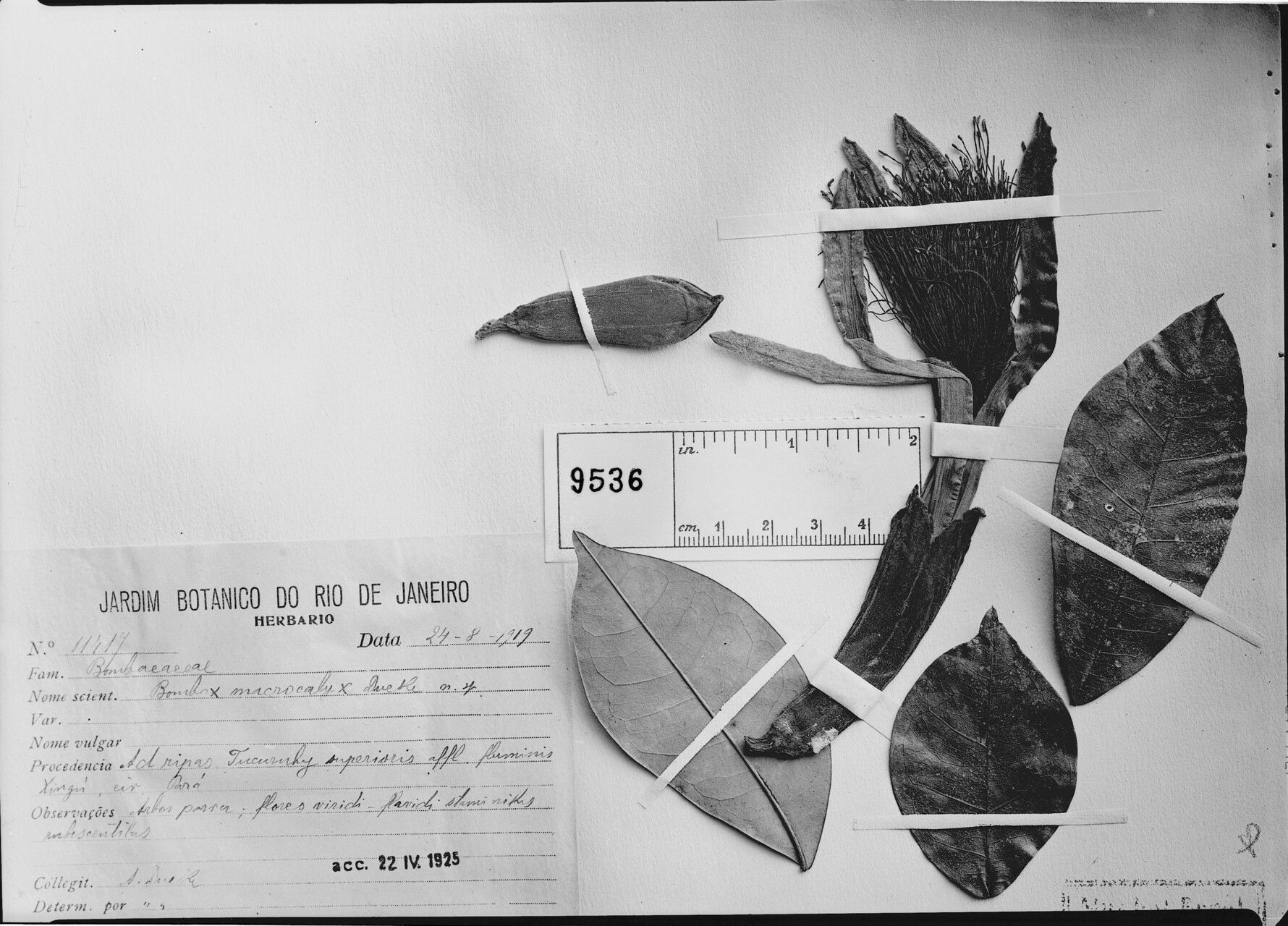
Oh, hello there! Grab a mug of your favorite brew, and let’s chat about something truly special: propagating Pachira macrocalyx. I’ve been tending to these beauties for two decades now, and trust me, there’s a special kind of joy in coaxing a new life from a healthy parent plant.
Your New Green Friend: The Pachira macrocalyx
If you’ve ever admired that gorgeous, glossy foliage and elegantly braided trunk, you’ve likely met Pachira macrocalyx. It’s a plant that brings a touch of the tropics right into our homes, and propagating it is a wonderful way to share that beauty or simply expand your own leafy collection. For beginners, I’d say it’s moderately easy, leaning towards easy if you pay attention to a few key details. It’s a rewarding journey, and I’m thrilled to guide you through it!
The Best Time to Start
When it comes to Pachira macrocalyx, spring and early summer are your prime time. This is when the plant is in its most vigorous growth phase. Think of it as a plant that’s bursting with energy – perfect for putting out new roots! You’ll want to take cuttings from healthy, actively growing stems. Avoid any parts that look stressed or are showing signs of dormancy.
Supplies You’ll Need
Gathering your tools beforehand makes the whole process much smoother. Here’s what I usually have on hand:
- Sharp Pruning Shears or a Clean Knife: For making clean cuts.
- Rooting Hormone Powder or Gel: This isn’t strictly necessary for Pachira, but it can give your cuttings a significant boost.
- Well-Draining Potting Mix: A good standard mix is fine, but I often add extra perlite or orchid bark for even better aeration.
- Small Pots or Containers: Clean, with drainage holes, of course!
- Clear Plastic Bag or Humidity Dome: To create a mini-greenhouse effect.
- Water: For watering and maybe for water propagation.
- Activated Charcoal (Optional): If you’re water propagating, a small piece can help keep the water fresh.
Propagation Methods: Bringing New Life Forth
There are a couple of ways to go with Pachira macrocalyx, and both can be quite successful.
Stem Cuttings
This is my go-to method for Pachira.
- Select Your Stem: Find a healthy, semi-hardwood stem that’s at least 6 inches long. Look for one that’s not too soft and new, but also not completely woody.
- Make the Cut: Using your clean pruning shears or knife, make a cut just below a leaf node. This is the bump on the stem where a leaf grows. This is where the magic happens!
- Prepare the Cutting: Gently remove the lower leaves from the cutting, leaving just one or two at the very top. This prevents them from rotting in the soil.
- Apply Rooting Hormone (Optional): Dip the cut end into your rooting hormone. Tap off any excess.
- Plant Your Cutting: Fill your small pot with your well-draining potting mix. Make a hole in the center with your finger or a pencil, and firmly insert the cutting about 2 inches deep.
- Water Gently: Water the soil thoroughly but gently until you see it drain from the bottom.
- Create a Humid Environment: Place the pot inside a clear plastic bag, ensuring the leaves don’t touch the plastic. You can use stakes to keep the bag open. Alternatively, use a snug-fitting humidity dome. This traps moisture and encourages rooting.
- Find a Warm Spot: Place your potted cutting in a bright location, but out of direct sunlight.
Water Propagation
This is a slightly simpler, more visible method.
- Prepare the Cutting: Follow steps 1-3 from the stem cutting method.
- Place in Water: Find a clean jar or glass and fill it with room temperature water. If using, drop a small piece of activated charcoal in.
- Submerge the Cutting: Place the cutting in the water, ensuring no leaves are submerged. This is crucial for preventing rot. You might need to trim a bit more off the bottom of the stem to achieve this.
- Find a Bright Spot: Place the jar in a bright spot, away from direct sun.
- Change Water Regularly: Change the water every few days or whenever it starts to look cloudy to keep it fresh.
The “Secret Sauce” (Pro Tips)
Here are a few things I’ve learned over the years that can make a real difference:
- Bottom Heat is Your Friend: While not strictly essential, placing your potted cuttings on a seedling heat mat can really speed up root development. Pachira loves warmth, and a little boost from beneath encourages them to get going.
- Don’t Rush the Transplant: For cuttings in soil, resist the urge to tug on them to check for roots too soon! Wait until you see new growth appearing at the top. This usually means roots have formed. For water cuttings, wait until you see substantial root growth, at least an inch long, before thinking about potting them up.
- Scarification Can Help (for Seeds, not Cuttings): While I primarily use cuttings, if you ever get your hands on seeds, a light scarification (gently nicking the seed coat with a file or sandpaper) can improve germination rates. But for cuttings, focus on that clean cut and good hygiene!
Aftercare & Troubleshooting
Once you see signs of life – new leaves or a healthy root system – it’s time for a little tender loving care.
- Gradual Acclimation: If your cutting was in a plastic bag, slowly acclimate it to lower humidity by opening the bag for a few hours each day over a week.
- Watering: Water your new plant when the top inch of soil feels dry. Avoid overwatering, as this is the most common cause of problems.
- Light: Continue to provide bright, indirect light.
- Troubleshooting: The biggest culprit is rot. If your cutting turns black and mushy, it’s a sign of too much moisture and poor air circulation. Sadly, this is often irreversible. If a cutting simply refuses to root after several weeks, it may not have been viable to begin with. Don’t get discouraged!
The Joy of Growth
Propagating any plant is an act of faith and patience. Nature has its own timeline, and Pachira macrocalyx is no different. Celebrate every little sign of progress, learn from any setbacks, and most importantly, enjoy the incredible process of bringing new life into the world. Happy propagating!
Resource: