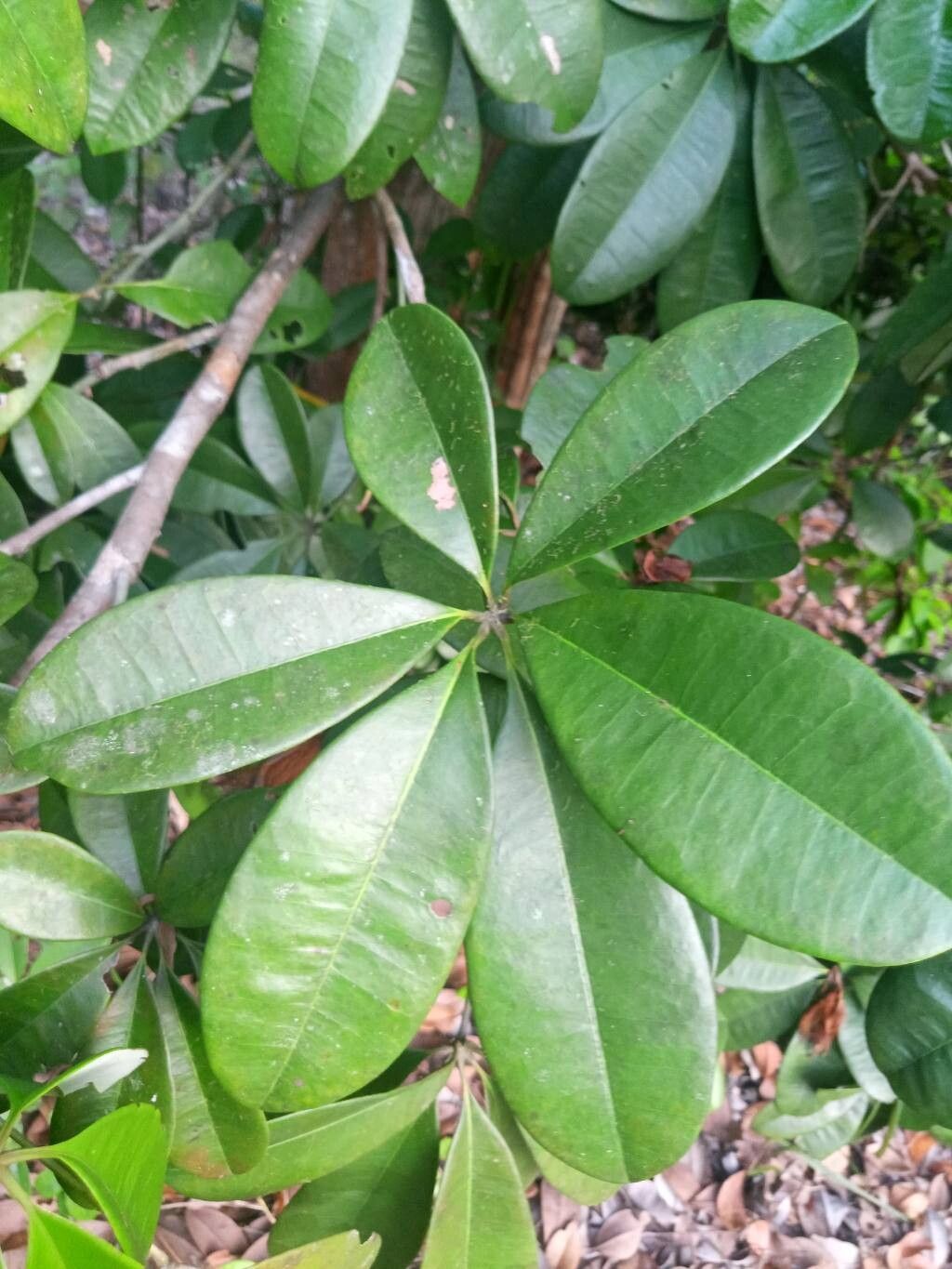
Oh, hello there, fellow plant lover! I’m so delighted you’re interested in Pachira flaviflora, also known as the Guiana chestnut or, more commonly, the money tree. You know, the one with those lovely, distinctive palmate leaves often braided into a lovely trunk? They bring such a wonderful sense of calm and tropical flair to our homes.
Propagating these beauties is incredibly rewarding. It’s like creating your own little green dynasty! And the good news? While it takes a touch of patience and a keen eye, I’d say Pachira flaviflora is moderately easy to propagate – perfect for those who’ve got a few plants under their belt and are ready for a new adventure. Don’t be intimidated; we’ll tackle this together, cup of coffee in hand!
The Best Time to Start
Honestly, the absolute best time to think about propagating your Pachira flaviflora is during its active growing season. That typically means late spring through early fall. You’ll see the most vigorous growth then, and your cuttings will have the best chance of taking root and thriving. Trying to propagate when the plant is a bit sleepy in winter just won’t give your little ones the energy boost they need.
Supplies You’ll Need
Gathering your tools beforehand makes the whole process so much smoother. Here’s what you’ll want to have on hand:
- Sharp, clean pruning shears or a knife: A clean cut is crucial to prevent disease.
- Rooting hormone powder or gel: This is like a little helper for your cuttings, encouraging faster root development. Don’t skip this if you can help it!
- Well-draining potting mix: A good mix for us is usually one part perlite, one part peat moss, and one part compost. Or, a good quality cactus mix works in a pinch.
- Small pots or containers: Clean pots are key! About 4-6 inches in diameter are perfect for starter plants.
- Plastic bags or clear plastic domes: These create a mini-greenhouse effect.
- Watering can or spray bottle: For gentle watering.
- Optional: A heat mat: This can really boost rooting success, especially if your home is on the cooler side.
Propagation Methods
We’ll focus on the most reliable way to get new Pachiras: stem cuttings. It’s straightforward and usually yields great results.
Stem Cuttings:
-
Select a healthy stem: Look for a mature stem that hasat least 2-3 leaf nodes. A node is where a leaf attaches to the stem. You want to make your cut just below a node.
-
Make the cut: Using your clean shears or knife, make a clean, angled cut just below the chosen leaf node. An angled cut gives more surface area for rooting.
-
Remove lower leaves: Gently strip off any leaves from the bottom half of your cutting. This prevents them from rotting when you place the cutting in soil or water.
-
Apply rooting hormone: Dip the cut end into your rooting hormone powder or gel. Tap off any excess.
-
Plant your cutting:
- In soil: Fill your small pot with your prepared potting mix. Make a small hole in the center with your finger or a pencil. Gently insert the cutting into the hole, ensuring the nodes are buried. Firm the soil gently around the stem.
- In water (alternative): You can also place the cutting in a jar or glass of water, making sure the nodes are submerged. More on this in the “Secret Sauce” section!
-
Create a humid environment:
- For soil cuttings: Water the soil thoroughly until it drains from the bottom. Then, cover the pot with a clear plastic bag (supported by stakes so it doesn’t touch the leaves) or a clear plastic dome. This traps moisture and humidity.
- For water cuttings: Simply place the jar in a bright spot.
-
Place in bright, indirect light: Find a warm spot away from direct sun. Too much sun will scorch those delicate cuttings. A windowsill that gets morning sun or is filtered is usually ideal.
The “Secret Sauce” (Pro Tips)
Here are a couple of things I’ve learned over the years that can really make a difference:
- For water propagation, keep those leaves out of the water! If you decide to root your cuttings in water, ensure absolutely no leaves are submerged. They’ll rot so quickly and can even take your whole cutting down with them. Just let the stem end sit in the water. Change the water every few days to keep it fresh.
- Don’t be afraid of a little bottom heat. If you have a propagation mat or even can place your pots on top of a router (check how warm it gets first!), that gentle warmth from below can significantly speed up root formation. It mimics the perfect soil temperature for a mother plant.
- Mist, but don’t drown. While humidity is key, overwatering your soil cuttings will lead to rot. If you’re using a plastic bag, you might only need to mist the soil once when you first plant the cutting. Otherwise, check the soil moisture regularly – it should feel damp, not soggy.
Aftercare & Troubleshooting
Once you start seeing signs of new growth (which can take anywhere from 4 to 12 weeks, so be patient!), it’s a good sign your cutting has rooted. You might also feel a gentle tug when you lightly pull on the stem – that’s the roots holding on!
Once roots have formed and you see a new leaf emerge, it’s time to gradually acclimate your new plant. Start by opening the plastic bag or dome for a few hours each day. Reduce the humidity slowly over a week or two. Then, you can transplant it into a slightly larger pot with fresh, well-draining potting mix.
Now, what about problems
Resource: