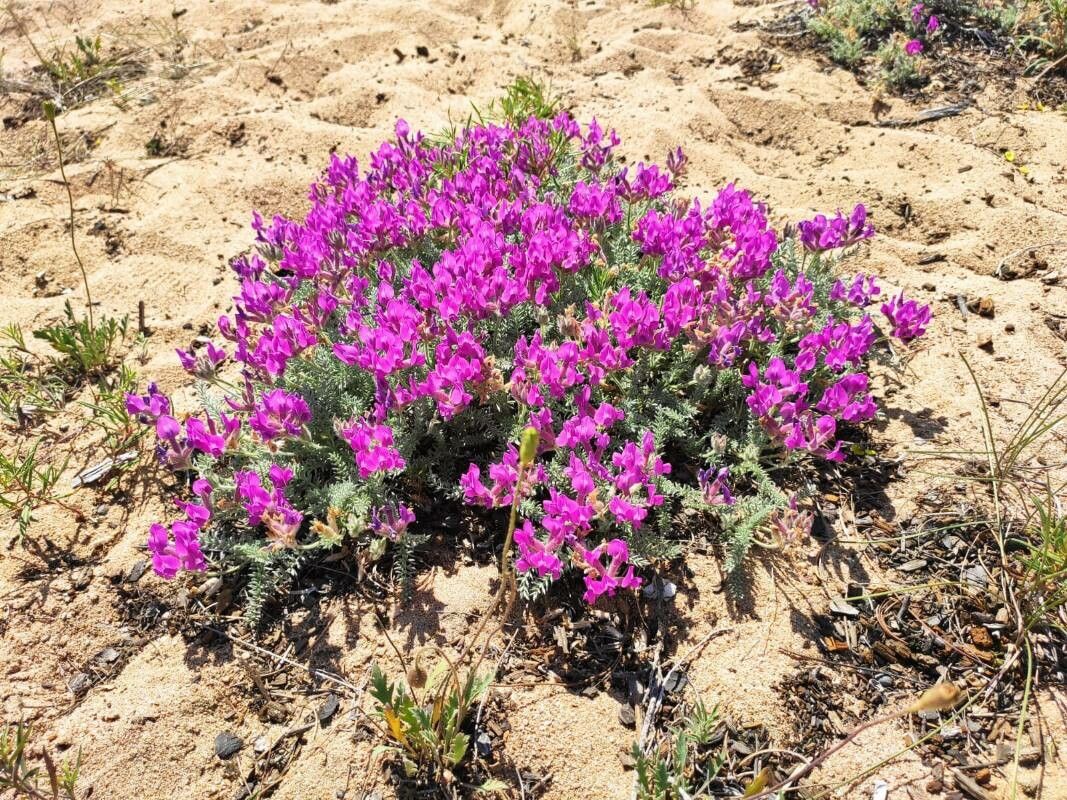
Hello, fellow garden enthusiasts! Today, we’re diving into the wonderful world of propagating Oxytropis lanata, also known as woolly locoweed. If you’ve ever admired its delicate, fuzzy foliage and charming pea-like flowers, you’re in for a treat. Bringing new life to your garden these beauties feels incredibly rewarding. Now, I must be honest – Oxytropis lanata isn’t the absolute easiest plant for a total beginner to propagate, but with a little patience and these tips, you’ll be well on your way to success. Don’t let that deter you; think of it as a delightful challenge!
The Best Time to Start
For the highest success rate, I always aim to propagate Oxytropis lanata in late spring or early summer. This is when the plant is actively growing and has plenty of energy to put into developing strong roots. You’re looking for healthy, new growth that’s not too soft and floppy, but also not woody.
Supplies You’ll Need
Gathering your supplies beforehand makes the whole process much smoother. Here’s what I usually have on hand:
- Sharp pruning shears or a clean knife: For taking cuttings.
- Rooting hormone powder (optional, but recommended): This gives your little cuttings a helpful boost.
- A well-draining potting mix: I like a blend of perlite, peat moss, and a bit of compost. Or, you can simply use a commercial seed-starting mix.
- Small pots or trays: Clean ones are key to preventing disease. Small terracotta pots are lovely because they breathe well.
- Plastic bags or a propagation dome: To create a humid environment.
- Watering can with a fine rose: For gentle watering.
- Labels and a marker: So you know what’s what!
Propagation Methods
The most reliable way I’ve found to propagate Oxytropis lanata is through stem cuttings. It’s a straightforward process that usually yields good results.
Stem Cuttings
- Take your cuttings: Select healthy, non-flowering stems that are about 3-4 inches long. Make a clean cut just below a leaf node (where a leaf attaches to the stem).
- Prepare the cuttings: Gently remove the lower leaves from the stem, leaving only the top few. If you’re using rooting hormone, dip the cut end into it now.
- Plant the cuttings: Fill your clean pots with the well-draining potting mix. Make a small hole with your finger or a pencil and insert the cut end of the stem. Gently firm the soil around it.
- Water gently: Water thoroughly but carefully, ensuring the soil is moist but not waterlogged.
- Create humidity: Cover the pots with a plastic bag or propagation dome. If you’re using a bag, you might want to prop it up with a few small sticks so it doesn’t touch the leaves. Place the pots in a bright spot, but out of direct sunlight.
The “Secret Sauce” (Pro Tips)
Here are a couple of my tried-and-true tricks that make a world of difference:
- Bottom Heat is Your Friend: Oxytropis lanata really appreciates a little warmth from below. Placing your pots on a propagator mat can significantly speed up root development. It mimics the warmth of spring soil.
- Don’t Drown Them: While humidity is crucial, soggy soil is the enemy of root rot. Ensure excellent drainage and gently mist the leaves if they start to look dry inside the humidity dome, rather than watering the soil heavily.
Aftercare & Troubleshooting
Once you start to see new growth emerging, it’s a good sign that roots are forming. This can take anywhere from 4-8 weeks.
- Acclimatize gradually: When roots have formed (you can gently tug a cutting to feel resistance), gradually start to introduce your new plants to drier air. Start by opening the bag or dome for a few hours each day.
- Watering: Water whenever the top inch of soil feels dry.
- Fertilizing: Once they’re established and have a few sets of new leaves, you can begin feeding them with a diluted liquid fertilizer, about once a month.
What to watch out for? The most common issue is rot. If your cuttings turn mushy, black, or slimy, it’s usually a sign of too much moisture. If you see this happening, un-cover them immediately, check the soil moisture, and ensure good air circulation. Sometimes, you can salvage a cutting if you catch it early – trim away the rotten parts and repot in fresh, dry soil. You might also see your cuttings shriveling up. This can be a sign they aren’t getting enough humidity, or they simply didn’t have enough stored energy to form roots.
A Encouraging Closing
Propagating plants is a journey, and every gardener experiences successes and a few bumps along the way. The key is to be patient, observe your cuttings closely, and celebrate every little sign of progress. Enjoy the process of nurturing these little bits of green into your very own woolly locoweeds. Happy gardening!
Resource:
https://identify.plantnet.org/k-world-flora/species/Oxytropis%20lanata%20(Pall.)%20DC./data