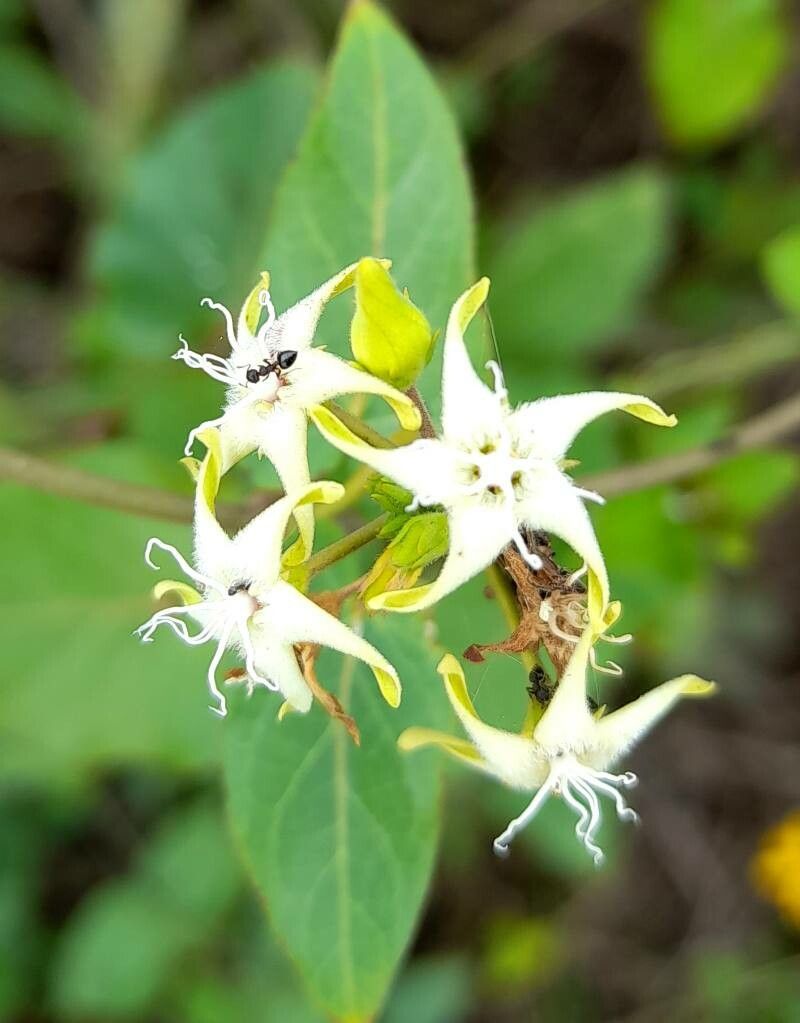
Oh, hello there, fellow plant enthusiast! Grab a mug of something warm, pull up a chair, and let’s chat about a truly charming plant: Oxypetalum sylvestre, often known as the Wax Plant or the Star Jasmine. With its glossy, deep green leaves and clusters of delicate, star-shaped white flowers that often carry a subtle, sweet fragrance, it’s a real showstopper in any garden. And if you’ve ever admired its lushness, you’ll be delighted to know that propagating it is a wonderfully rewarding experience. It’s not overly fussy, making it a good project for beginners who are ready to get their hands dirty.
The Best Time to Start
For the highest success rate with Oxypetalum sylvestre, spring and early summer are your best friends. This is when the plant is actively growing and has plenty of energy to put into developing new roots. Aim for when the stems are still somewhat flexible but have started to mature a bit – think of them as “softwood” or “semi-hardwood” cuttings. Avoid taking cuttings from brand new, floppy growth or from very old, woody stems.
Supplies You’ll Need
Here’s what I usually gather before I get started:
- Sharp pruning shears or a clean, sharp knife: For making clean cuts.
- Small pots or seed trays: With good drainage holes.
- Well-draining potting mix: A good blend is equal parts peat moss (or coco coir for a more sustainable option) and perlite or horticultural sand. You can also buy specialized cuttings mix.
- Rooting hormone powder or gel (optional but recommended): This really gives your cuttings a boost.
- A clear plastic bag or a propagation dome: To create a humid environment.
- Watering can or spray bottle: For gentle watering.
- Labels and a marker: So you don’t forget what you’ve planted!
Propagation Methods
The most straightforward way to propagate Oxypetalum sylvestre is through stem cuttings.
- Take Your Cuttings: Select a healthy, vigorous stem. Cut a piece about 4-6 inches long, making the cut just below a leaf node (where a leaf attaches to the stem).
- Prepare the Cuttings: Gently remove the lower leaves, leaving just two or three at the top. This reduces water loss and concentrates the plant’s energy on rooting. If the remaining leaves are very large, you can cut them in half to further minimize transpiration.
- Apply Rooting Hormone (if using): Dip the cut end of the stem into your rooting hormone, tapping off any excess.
- Plant Your Cuttings: Fill your small pots with your prepared potting mix. Make a hole in the center of the mix with a pencil or your finger.
- Insert the Cuttings: Place the prepared cutting into the hole, ensuring the leaf nodes that were just below the soil line are buried. Gently firm the soil around the base of the cutting.
- Water Gently: Water the soil lightly, just enough to settle it around the cuttings.
- Create a Humid Environment: Cover the pot with a clear plastic bag or place it under a propagation dome. Make sure the leaves aren’t touching the plastic if possible. This traps moisture and creates a miniature greenhouse.
- Find the Right Spot: Place the pots in a location with bright, indirect light. Avoid direct sun, which can scorch the young cuttings. A warm spot is also beneficial.
Water Propagation: While not my go-to for Oxypetalum, you can try water propagation. Take your cuttings as described above, remove the lower leaves, and place them in a jar or glass of clean water. Make sure no leaves are submerged in the water – this is crucial to prevent rot. Change the water every few days. Roots should appear within a few weeks, and then you can carefully transplant them into potting mix.
The “Secret Sauce” (Pro Tips)
Here are a couple of things I’ve learned over the years that can really make a difference:
- Bottom Heat is Your Friend: If you have a heat mat for seedlings, placing your pots on it can dramatically speed up the rooting process. It mimics the warmth of spring soil.
- Don’t Mist Too Much: While humidity is key, over-misting the leaves can sometimes encourage fungal issues. Keeping the soil consistently moist but not waterlogged, and relying on the enclosed dome for humidity, is usually enough. If you do mist, ensure good air circulation afterward.
- Patience with the Chopstick Test: Don’t be tempted to pull your cuttings out too soon to check for roots! Wait at least 3-4 weeks. A gentle tug is usually a good indication. If there’s resistance, you’ve got roots!
Aftercare & Troubleshooting
Once you see new growth appearing on your cuttings, that’s a fantastic sign! It means roots have formed.
- Acclimatize: Gradually remove the plastic bag or dome over a week or so, allowing the new plant to get used to the drier air.
- Potting Up: Once the cuttings are well-rooted (you’ll feel resistance when gently tugging), you can pot them up into slightly larger individual pots with your regular potting mix.
- Watering: Continue to water regularly, ensuring the soil dries out slightly between waterings.
- Troubleshooting: The most common pitfall is rot. If your cuttings turn black and mushy, it’s usually a sign of too much moisture and not enough air circulation. If a cutting wilts and looks completely dried out, it might need more humidity or a warmer spot. Don’t be discouraged if some don’t make it – it happens to the best of us! Just try again.
A Gentle Wrap-Up
Propagating Oxypetalum sylvestre is such a satisfying way to expand your collection or share these lovely plants with friends. Be patient, give them a good start, and try not to hover too much. Soon enough, you’ll have tiny versions of your favorite Wax Plant, ready to grow into their own beautiful selves. Happy propagating!
Resource: