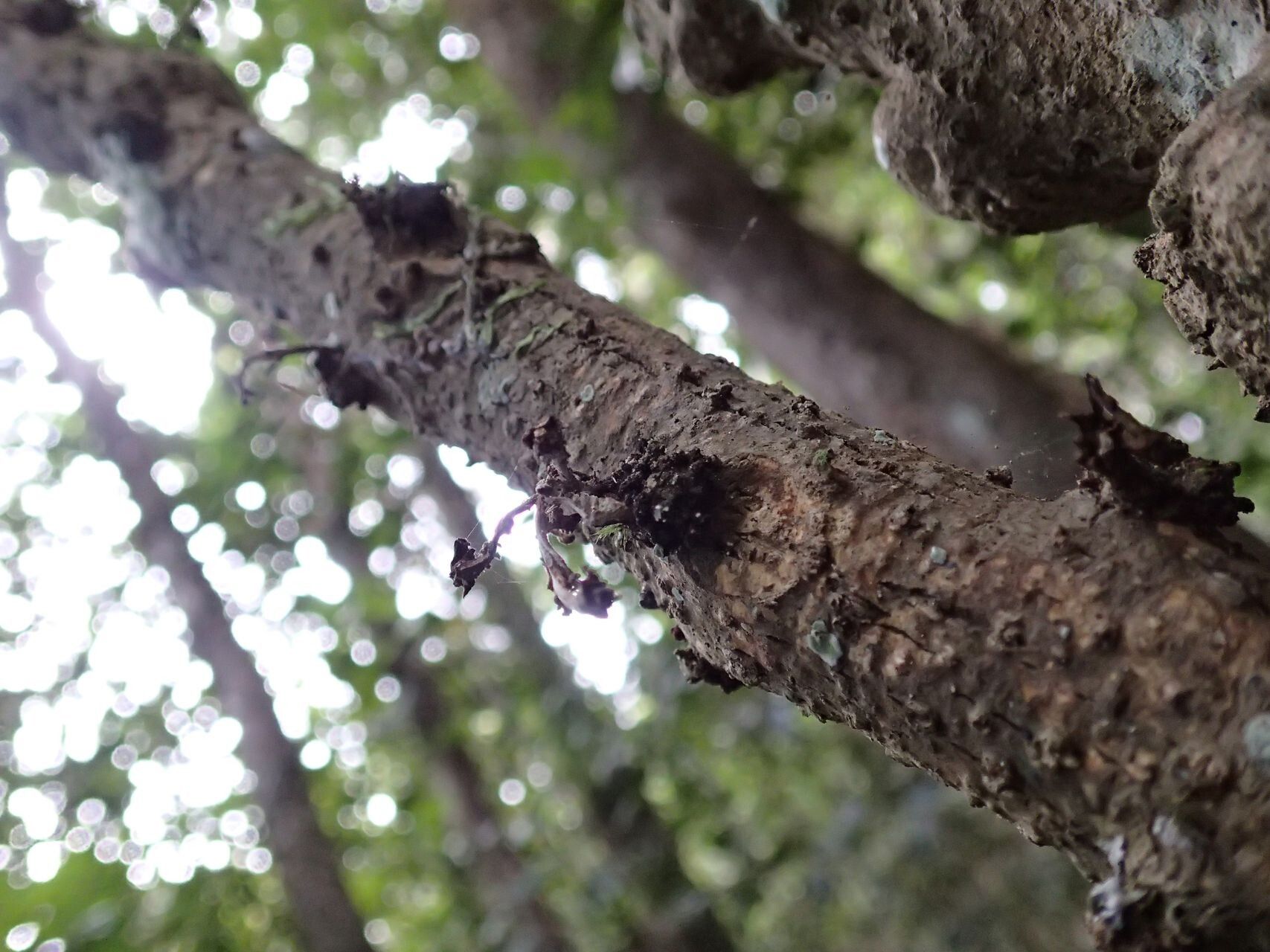
Oh, Oxera rugosa! What a lovely choice you’ve made. If you’re drawn to its charming blue flowers and the subtle, almost velvety texture of its leaves, you’re in for a treat. Growing this beauty is one thing, but coaxing a whole new plant from an existing one? That’s where the real magic happens, and trust me, it’s a very rewarding kind of magic. For beginners, I’d say Oxera rugosa is moderately easy to propagate. It’s not quite as straightforward as a pothos, but with a little care and attention, you’ll be celebrating success.
The Best Time to Start
When it comes to getting your Oxera rugosa off to a good start with propagation, mid-spring to early summer is your golden window. This is when the plant is actively growing, pushing out new, tender shoots that have plenty of energy to dedicate to forming roots. Trying to propagate from old, woody stems in the fall or winter is like asking someone to run a marathon after they’ve just woken up – they’re just not primed for it.
Supplies You’ll Need
Before we dive in, let’s get our tools ready. Having everything at hand makes the process so much smoother.
- Sharp pruning shears or a clean knife: For taking your cuttings. Sterilize them with rubbing alcohol before you begin.
- Potting mix: A light, well-draining mix is key. I like to use a blend of peat moss, perlite, and a bit of compost. You can also buy specific seedling or propagation mixes.
- Small pots or seedling trays: With drainage holes, of course!
- Rooting hormone (optional): While Oxera rugosa can root without it, a rooting hormone powder or gel can significantly speed up the process and improve your success rate.
- Plastic bag or clear plastic dome: To create a mini-greenhouse effect.
- Watering can with a fine rose or spray bottle: For gentle watering.
- Labels and a marker: Don’t forget to label your creations!
Propagation Methods
Let’s focus on the most effective ways to get more Oxera rugosa plants.
Stem Cuttings: My Go-To Method
This is generally the easiest and most reliable way for Oxera rugosa.
- Take Cuttings: Look for healthy, non-flowering shoots on your plant. You want pieces that are about 4-6 inches long. Use your sterilized shears or knife to make a clean cut just below a leaf node (where a leaf attaches to the stem). Remove the lower leaves, leaving just a couple of sets at the top.
- Prepare the Cuttings: If you’re using rooting hormone, dip the cut end of each stem into the powder or gel. You want to coat the bottom inch or so.
- Plant the Cuttings: Fill your small pots or trays with your prepared potting mix. Make a small hole in the center of the soil with a pencil or your finger. Gently insert the cutting into the hole, ensuring the leaf nodes that were near the bottom are buried in the soil. Firm the soil gently around the stem.
- Water and Cover: Water gently until the soil is evenly moist, but not soggy. Place the pots inside a plastic bag or cover them with a clear plastic dome. This will trap humidity, which is crucial for preventing the cuttings from drying out before they can root.
Water Propagation: A Visible Progress
This method is satisfying because you can see the roots forming.
- Select and Cut: Just like with stem cuttings, choose healthy, non-flowering shoots about 4-6 inches long. Make the cut just below a leaf node. Remove the lower leaves.
- Place in Water: Find a clean glass jar or vase. Fill it with fresh water and place your cuttings in it. Make sure to remove any leaves that would sit below the waterline. This is really important to prevent them from rotting.
- Find a Good Spot: Place the jar in a bright spot, but out of direct, harsh sunlight.
- Change Water Regularly: Change the water every couple of days to keep it fresh and prevent bacterial growth.
The “Secret Sauce” (Pro Tips)
Here are a few things I’ve learned over the years that can really boost your chances.
- Don’t let the leaves touch the water (in water propagation): I mentioned this, but I can’t stress it enough. Any submerged foliage is an invitation for rot. It’s worth repeating!
- Bottom heat is your friend: If you’re serious about getting cuttings to root quickly and reliably, especially if your house is a bit on the cool side, placing your pots on a seedling heat mat can make a world of difference. It encourages root development from below. You don’t need a crazy blast of heat, just a gentle warmth.
- Air circulation matters: While you want to keep humidity high, you don’t want stagnant air, which can also encourage fungal issues. If you’re using a plastic bag, open it up for a few minutes each day to let fresh air circulate.
Aftercare & Troubleshooting
Once you see those roots appearing – hooray! For stem cuttings, you’ll start to feel a gentle resistance when you tug lightly on the stem. For water propagation, you’ll see little white roots peeking out.
- Transplanting: For water-propagated cuttings, wait until the roots are about an inch long before carefully transplanting them into pots filled with your well-draining potting mix. For stem cuttings, once roots have formed, gradually acclimate them to lower humidity by opening the plastic bag or dome more and more over a week or two. Then you can remove the cover entirely.
- Watering: Once transplanted, water your new plant thoroughly, then let the top inch of soil dry out between waterings. Avoid overwatering, as this is a common cause of rot.
- Common Problems: The biggest worry is rot. If your cutting turns black and mushy, it’s likely rot. This can be due to overwatering, poor drainage, or contaminated water. If you see this, sadly, it’s usually best to discard it and start again. Yellowing leaves on an otherwise healthy cutting can sometimes mean it’s not getting enough light.
A Encouraging Closing
Propagating Oxera rugosa is a journey of patience and observation. Don’t be discouraged if your first few attempts aren’t perfect. Each cutting is a little experiment, and with time and practice, you’ll develop your own green thumb intuition. Enjoy the process of nurturing a new life, and soon you’ll have more of these lovely blue beauties to share!
Resource:
https://identify.plantnet.org/k-world-flora/species/Oxera%20rugosa%20Guillaumin/data