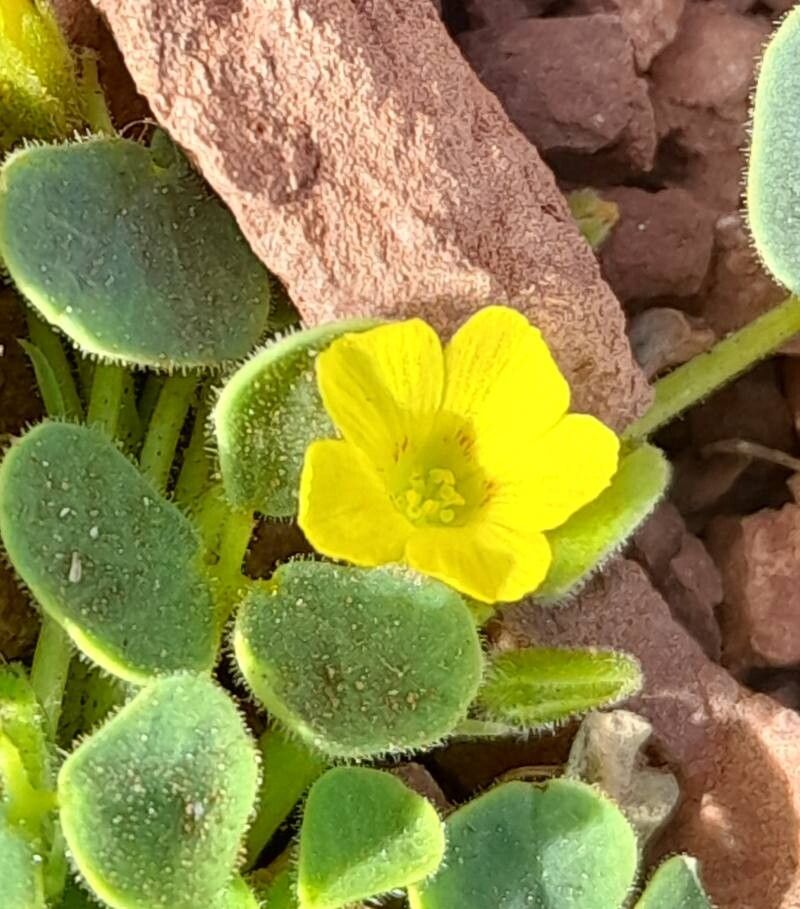
Hello, fellow plant enthusiasts! Today, we’re diving into the delightful world of Oxalis cotagaitensis, often called the ‘Purple-Veined Wood Sorrel’ or simply ‘Oxalis’. If you’re looking for a plant that brings a bit of drama with its striking purple veining and charming clover-like leaves, you’re in for a treat. Propagating this beauty is incredibly rewarding, and I’m thrilled to share how I do it. Don’t worry, it’s not a difficult plant to get started; even if you’re new to propagating, you should find this process quite accessible.
When to Get Your Hands Dirty
The best time to propagate Oxalis cotagaitensis is generally during its active growing season. For most of us, this means spring and early summer. This is when the plant has the most energy and vigour, making it more likely for cuttings to root successfully and for divisions to establish quickly. You can also have some success in late summer, but I find the spring rush to be the most reliable.
What You’ll Need
Gathering your supplies beforehand makes the whole process much smoother. Here’s my go-to list:
- Sharp, clean pruning shears or a craft knife: For making clean cuts.
- Small pots or propagation trays: With drainage holes, of course!
- Well-draining potting mix: I like a blend of peat moss, perlite, and a bit of compost.
- Rooting hormone (optional but recommended): Especially for fussier cuttings.
- Watering can or spray bottle: For gentle watering.
- Clear plastic bags or a propagation dome: To create a humid microclimate.
- Labels and a marker: To keep track of what you’ve propagated!
Let’s Get Propagating!
There are a couple of tried-and-true methods for multiplying your Oxalis collection.
Method 1: Stem Cuttings – My Favorite Go-To
This is usually my first choice because it’s quick and I often get a great success rate.
- Take Your Cuttings: Look for healthy, non-flowering stems. Using your clean shears, make a cut just below a leaf node (where a leaf attaches to the stem). You want cuttings that are about 3-4 inches long. Remove the lower leaves, leaving just a few at the top.
- Apply Rooting Hormone (Optional): Dip the cut end of the stem into your rooting hormone powder or gel. Tap off any excess.
- Plant Them Up: Fill your small pots or trays with your prepared potting mix. Make a small hole in the center with your finger or a pencil.
- Insert the Cuttings: Gently push the prepared end of the cutting into the hole, ensuring the leaf nodes that were below the soil line are covered. Firm the soil around the stem.
- Water Gently: Water your cuttings lightly, making sure the soil is moist but not waterlogged.
Method 2: Division – For Established Plants
If your Oxalis is looking a bit crowded in its pot, it’s a perfect candidate for division.
- Gently Remove the Plant: Carefully take the entire plant out of its pot.
- Inspect the Root Ball: You’ll likely see that the plant has formed clumps of roots and shoots.
- Separate the Divisions: Using your fingers or a clean trowel, carefully tease apart the root ball into smaller sections. Each division should have a good amount of roots and at least a few healthy shoots.
- Pot Them Up: Pot each division into its own container with fresh, well-draining soil.
The “Secret Sauce” for Extra Success
After many years of coaxing plants to multiply, I’ve picked up a few tricks!
- Don’t let the leaves touch the water (if water propagating): While Oxalis can be water propagated, I find they are prone to rot this way. If you do try it, make sure only the stem is submerged, not any of the leaves. I almost always stick to soil propagation for more reliable results.
- Embrace the humidity: Those cuttings need a moist, humid environment to encourage root growth. Placing a clear plastic bag loosely over the pot, or using a propagation dome, creates a mini-greenhouse effect. Just remember to open it for a bit each day to allow for air circulation and prevent mold.
- A little warmth goes a long way: If you have a particularly cool spot, consider placing your pots on a heat mat designed for plants. This gentle bottom heat can significantly speed up root development.
Aftercare and What to Watch For
Once your cuttings have developed a decent root system (you can gently tug on them – if there’s resistance, they’ve likely rooted!), or your divisions are settled in their new pots, it’s time for regular care.
Water them as you would a mature plant, allowing the top inch of soil to dry out between waterings. Keep them in bright, indirect light.
Of course, gardening isn’t always smooth sailing. The most common issue you’ll encounter is rot. If you see your cutting turning mushy or black, especially at the base, it’s a sign of overwatering or poor drainage. Unfortunately, this is usually a lost cause, so don’t beat yourself up – just try again! If your cuttings simply don’t seem to be doing anything after a few weeks, it might be a sign that they haven’t rooted. Give them a bit more time, especially if the conditions are right.
Happy Propagating!
Watching a new plant emerge from a single stem or a separated clump is one of the most satisfying parts of being a gardener. Be patient with your Oxalis cotagaitensis cuttings and divisions. Nature has its own timeline, and with a little care and these simple steps, you’ll be rewarded with plenty more of this beautiful plant to enjoy. Happy growing!
Resource:
https://identify.plantnet.org/k-world-flora/species/Oxalis%20cotagaitensis%20R.Knuth/data