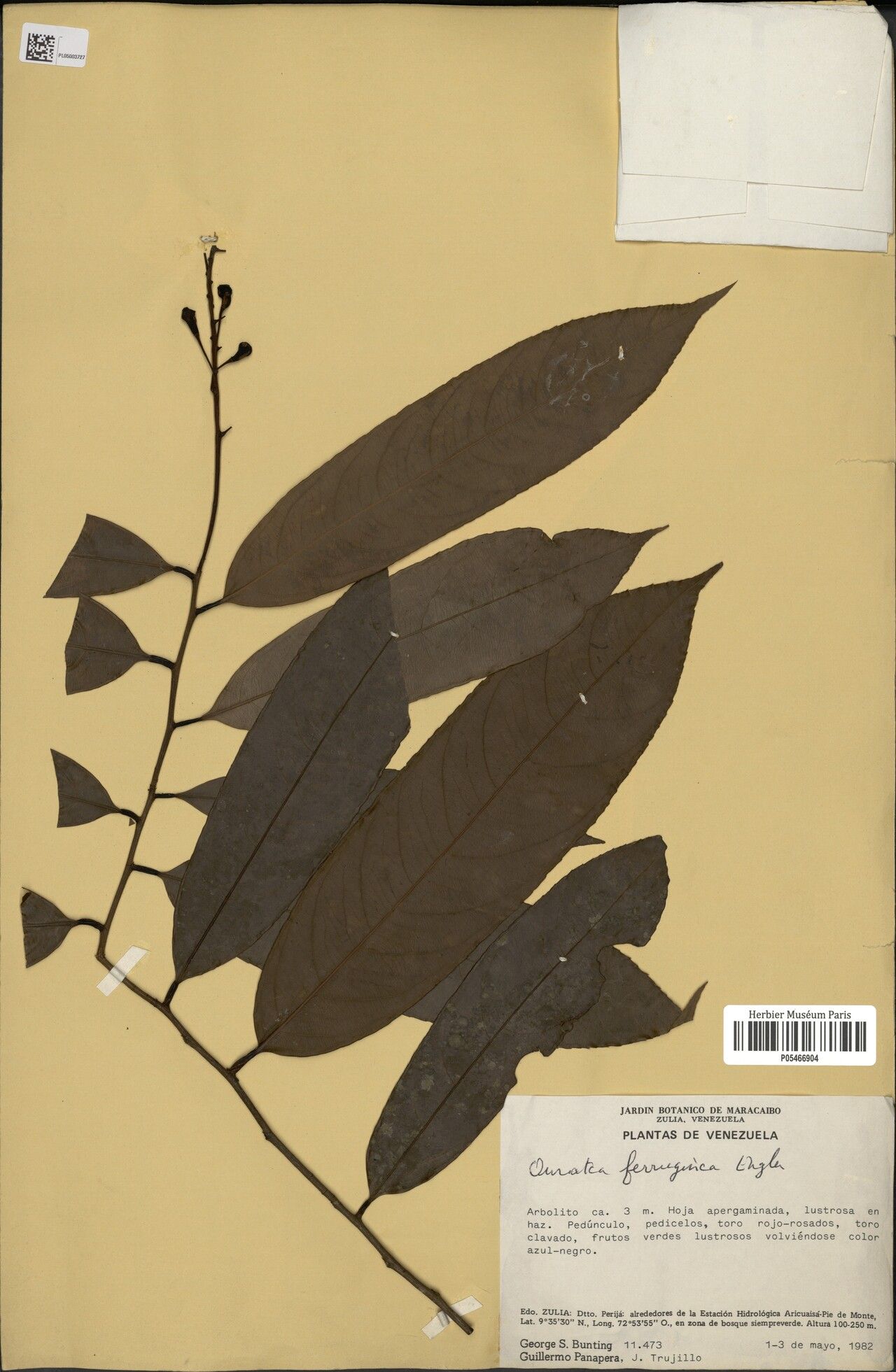
Oh, hello there! It’s lovely to have you join me. Today, we’re diving into the wonderful world of propagating Ouratea ferruginea. If you’ve ever admired its elegant structure and those delightful yellow blooms, you know just how special this plant is. Trust me, coaxing a new plant from a parent specimen is one of the most rewarding experiences a gardener can have. It’s a little like magic, but with a whole lot of science and a dash of patience! Now, Ouratea ferruginea isn’t exactly a walk in the park for absolute beginners, but with a little guidance, I promise you’ll get the hang of it.
The Best Time to Start
Timing is everything in the garden, isn’t it? For Ouratea ferruginea, the sweet spot for propagation is during its active growth period. Spring is generally your best bet. This is when the plant is bursting with energy, sending out new shoots, and has a good supply of hormones ready to encourage root development. You’ll want to take cuttings from healthy, semi-hardwood stems. Think of stems that are no longer bright green and floppy, but not tough and woody either. They should have a bit of flexibility to them.
Supplies You’ll Need
Gathering your tools before you begin makes the whole process much smoother. Here’s a little list to get you started:
- Sharp, clean pruning shears or a sharp knife: Essential for making clean cuts.
- Rooting hormone powder or gel: This isn’t medicinal, it’s plant fuel! It really gives your cuttings a boost.
- Well-draining potting mix: I like to use a mix of peat moss or coir, perlite, and a bit of coarse sand. You want good aeration.
- Small pots or propagation trays: Clean is key here to prevent disease.
- Plastic bags or a propagator: To help maintain humidity around your cuttings.
- Watering can with a fine rose: To water gently without disturbing things.
- Labels and a marker: So you don’t forget what you’ve planted where!
Propagation Methods: Stem Cuttings
For Ouratea ferruginea, stem cuttings are usually the most successful and straightforward method. Here’s how I do it:
- Select your stem: Look for a healthy stem that’s about 4-6 inches long. Make sure it has at least a couple of leaf nodes (where leaves or buds emerge).
- Make the cut: Using your clean pruners or knife, make a clean cut just below a leaf node. This is where the magic for root formation tends to happen.
- Prepare the cutting: Gently remove the lower leaves, leaving just a few at the top. This reduces water loss and prevents leaves from rotting in the soil.
- Dip in rooting hormone: Dip the cut end of the stem into your rooting hormone. Tap off any excess.
- Plant your cutting: Fill your small pots with the well-draining potting mix. Make a pilot hole with a pencil or your finger, then insert the cutting. Gently firm the soil around the base.
- Water gently: Water your cuttings thoroughly but so they don’t become waterlogged.
The “Secret Sauce” (Pro Tips)
Over the years, I’ve learned a few little tricks that can really make a difference. Here are a couple to keep in mind:
- The humidity tent is your friend! After planting your cuttings, cover the pot with a clear plastic bag or pop them into a propagator. This creates a mini-greenhouse, keeping the humidity high, which is crucial for cuttings to root before they can take up water through roots. Just make sure the leaves don’t touch the plastic, or they might rot. You can use skewers to prop up the bag if needed.
- Bottom heat works wonders. If you have a warm propagator or can place your pots on a gentle heat mat (around 70-75°F or 21-24°C), it will significantly speed up root development. It gives those roots the encouragement they need to get going.
Aftercare & Troubleshooting
Once your cuttings are potted, place them in a bright spot out of direct sunlight. Keep the soil consistently moist but not soggy. You’ll know your cuttings are rooting when you see new growth appearing. This can take anywhere from 4 to 8 weeks, sometimes even longer, so don’t get discouraged if you don’t see immediate results.
The most common problem you might encounter is rot. This usually happens if the soil is too wet or the humidity is too high without enough air circulation. If you see yellowing leaves that turn mushy, or the stem at the soil line starts to look dark and soft, it’s a sign of trouble. You can try removing the affected cutting, ensuring better drainage and ventilation for the others. If rot is widespread, it might be time to start a new batch with fresh medium and cleaner tools.
A Encouraging Closing
Growing a new plant from a cutting is a journey, and like any good journey, it requires a bit of patience. Don’t be disheartened if your first attempts aren’t perfect. Every cutting you try helps you learn more about your plant and its needs. So, grab your sharpest shears, pick out a healthy stem, and give it a go! You’ll be rewarded with the sheer joy of nurturing a brand-new life from your beloved Ouratea ferruginea. Happy gardening!
Resource:
https://identify.plantnet.org/k-world-flora/species/Ouratea%20ferruginea%20Engl./data