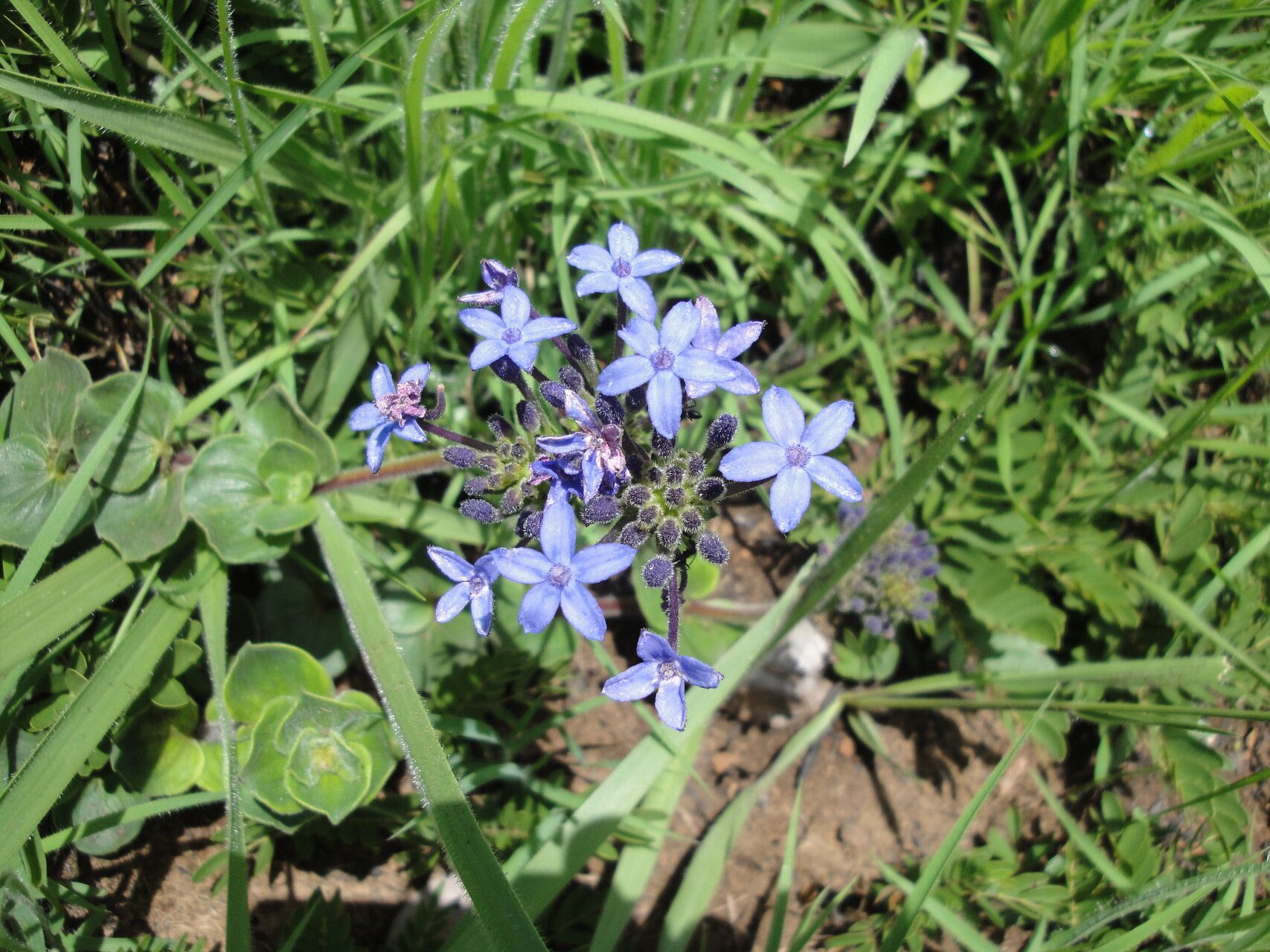
Hello fellow garden enthusiasts! Today, we’re diving into the delightful world of Otiophora villicaulis. You know, that lovely plant with its soft, fuzzy leaves and delicate blooms? It has a certain charm, doesn’t it? Propagating these beauties is incredibly rewarding. You get more of what you love, and it’s a fantastic way to share a piece of your garden with friends. For beginners, I’d say Otiophora villicaulis is moderately easy, but with a few key tips, you’ll be a pro in no time!
The Best Time to Start
The absolute best time to get your propagation party started is in the late spring or early summer. This is when the plant is in its most active growth phase, meaning it’s full of energy and ready to produce new roots. I find I have the highest success rate when taking cuttings from healthy, new growth that’s still a little bit soft, not woody.
Supplies You’ll Need
Here’s what you should gather before you begin:
- Sharp pruning shears or a clean, sharp knife: For making clean cuts.
- Rooting hormone (optional but recommended): Helps give cuttings a boost.
- Well-draining potting mix: I love a mix of perlite, peat moss, and a bit of compost. Or you can use a good quality seedling mix.
- Small pots or seed trays: Clean ones, of course!
- A watering can with a fine rose: To water gently.
- A plastic bag or a clear plastic dome: To create a humid environment.
Propagation Methods
Let’s get our hands dirty with a couple of reliable methods for Otiophora villicaulis:
Stem Cuttings: My Go-To
This is my favorite and usually the most successful method for this plant.
- Select a healthy stem: Look for a stem that’s about 4-6 inches long and has several sets of leaves. Avoid older, woody growth.
- Make the cut: Using your sharp shears or knife, make a clean cut just below a leaf node (where a leaf attaches to the stem).
- Prepare the cutting: Gently remove the lower leaves, leaving just a few at the top. This prevents them from rotting when you plant the cutting.
- Apply rooting hormone (optional): Dip the cut end into a rooting hormone powder. Tap off any excess.
- Plant the cutting: Fill your small pot with the well-draining potting mix. Make a small hole with your finger or a pencil.
- Insert the cutting: Place the prepared cutting into the hole, ensuring the part where you removed leaves is below the soil surface.
- Water gently: Water the soil thoroughly but gently.
- Create humidity: Cover the pot with a plastic bag or a clear dome. You can use stakes to keep the plastic from touching the leaves.
Water Propagation: A Visual Treat
This method is fun to watch, though I find stem cuttings generally establish faster.
- Select and cut: Just like with stem cuttings, choose a healthy stem tip about 4-6 inches long with several leaves. Make a clean cut below a leaf node.
- Remove lower leaves: Strip off the leaves from the bottom half of the cutting.
- Place in water: Find a clean jar or glass and fill it with lukewarm water.
- Submerge the stem: Place the cutting in the water, ensuring that the leaf nodes you cleared are submerged, but the remaining leaves are above the water line.
- Find a good spot: Place the jar in a bright spot that receives indirect sunlight. Change the water every few days to keep it fresh.
- Watch for roots: You should start to see little white roots emerging from the nodes in a few weeks. Once the roots are about an inch long, you can transplant them into soil.
The “Secret Sauce”
Here are a couple of things I’ve learned over the years that really make a difference:
- Patience with Potting: When you transplant cuttings from water to soil, be gentle. I like to give them a few extra days in fresh water after the first roots appear before potting them up for the first time. This gives those initial fragile roots a bit more strength.
- Bottom Heat is Your Friend: If you have a heat mat designed for seedlings, using it under your pots of cuttings can significantly speed up root development. It mimics the warmth of spring soil and gives those roots the nudge they need to get growing.
Aftercare & Troubleshooting
Once you see those first signs of new growth on your cuttings, hurray! It means roots are forming.
- Acclimate gradually: If you’ve been using a plastic cover for humidity, start removing it gradually over a few days. This helps the new plant adjust to normal humidity levels.
- Watering: Water your new plant whenever the top inch of soil feels dry. Don’t let it sit in soggy soil – that’s a one-way ticket to rot.
- Light: Continue to provide bright, indirect light until the plant is well-established.
- Troubleshooting: The most common issue you might encounter is rot. If your cutting looks mushy or feels slimy, it’s likely rotted. This usually happens from too much moisture and not enough air circulation. Discard any rotted cuttings. If the leaves are turning yellow and falling off but the stem still looks firm, it might be getting too much direct sun or not enough moisture.
A Little Encouragement
Propagating plants is a journey, and each one is a little experiment. Don’t get discouraged if every single cutting doesn’t make it. The process is part of the joy! Take your time, be observant, and enjoy watching new life emerge from your efforts. Happy propagating!
Resource:
https://identify.plantnet.org/k-world-flora/species/Otiophora%20villicaulis%20Mildbr./data