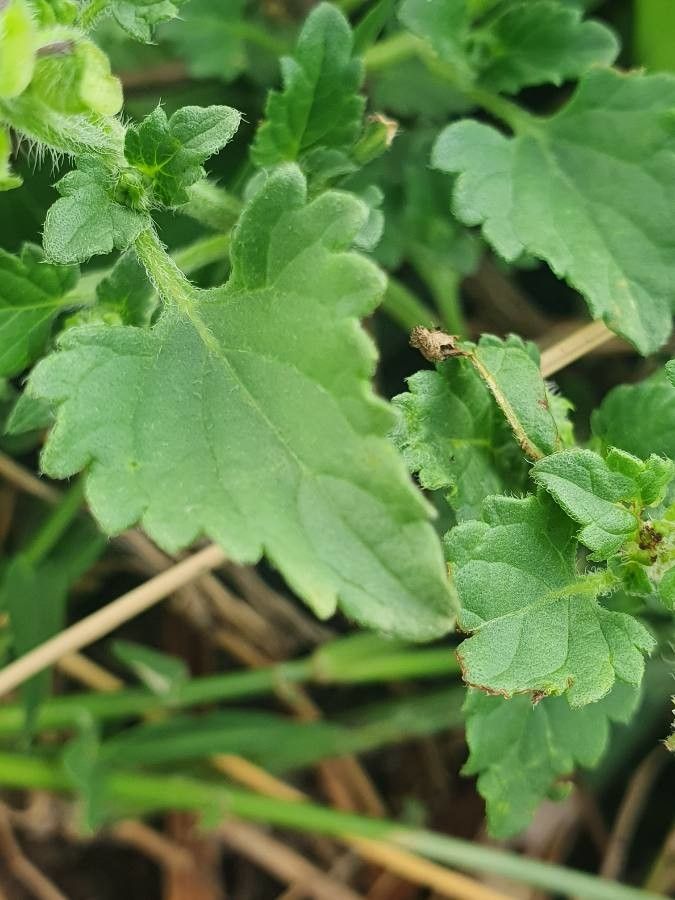
Hello there, fellow garden enthusiasts! I’m so excited to chat with you today about a truly delightful plant: Orthosiphon pallidus. You might know it as a bit of a sunshine seeker, with its lovely white flowers that can be just gorgeous in the right spot. For me, propagating Orthosiphon pallidus is one of those truly satisfying gardening moments. It’s like coaxing new life from something you already cherish. And the good news? While it needs a little attention to detail, it’s definitely a rewarding plant for even novice gardeners to try their hand at!
The Best Time to Start
When I’m looking to get new Orthosiphon pallidus plants going, I find that late spring through early summer is absolutely prime time. Think of it as the plant’s actively growing season. The days are getting longer, the temperatures are warming up, and the stems have a bit more vigor. You’ll have the best luck when the plant is producing healthy, new growth. Avoid trying to propagate during a very hot, dry spell or when the plant is dormant in cooler months.
Supplies You’ll Need
Gathering your supplies beforehand makes the whole process smoother. Here’s what I usually have on hand:
- Sharp Pruning Shears or a Clean Knife: For making clean cuts.
- Seed Starting Mix or a Light, Well-Draining Potting Mix: I often blend peat moss, perlite, and a little compost for good aeration.
- Small Pots or Trays: Clean containers are key to preventing disease.
- Rooting Hormone (Optional but Recommended): A powdered or gel form will help speed things up.
- Plastic Bags or a Small Greenhouse/Cloche: To create a humid environment.
- Watering Can with a Fine Rose or Spray Bottle: For gentle watering.
- Labels: For keeping track of your new recruits!
Propagation Methods
Orthosiphon pallidus is quite amenable to propagation from stem cuttings. It’s my go-to method, and it works wonderfully.
Stem Cuttings:
- Take Your Cuttings: On a healthy, non-flowering stem, make a clean cut just below a leaf node (where the leaf attaches to the stem). Aim for cuttings about 4-6 inches long. Remove the lower leaves, leaving just a few at the top.
- Dip in Rooting Hormone (Optional): If you’re using rooting hormone, just dip the cut end into the powder or gel. Gently tap off any excess.
- Insert into Potting Mix: Make a small hole in your prepared potting mix with a pencil or your finger. Carefully insert the cut end of the stem, ensuring at least one leaf node is below the surface of the soil. Gently firm the soil around the cutting.
- Water Gently: Water the potting mix thoroughly but gently. You want the soil to be moist but not waterlogged.
- Create a Humid Environment: Cover the pot with a plastic bag (supported by sticks so it doesn’t touch the leaves) or place it in a propagator. This will trap humidity, which is crucial for cuttings to root.
- Place in Bright, Indirect Light: Find a spot that gets plenty of bright light but no direct, harsh sun.
The “Secret Sauce” (Pro Tips)
Here are a couple of things I’ve learned over the years that really seem to make a difference:
- Don’t Get Greedy with Leaves: I know it can be tempting to leave lots of leaves on your cuttings. But honestly, fewer leaves mean less stress for the cutting as it tries to establish roots. Those top few leaves are enough to keep it going.
- The Magic of Bottom Heat: If you’re serious about speeding up rooting, especially if the weather is a bit cooler, using a heat mat underneath your propagator can be a game-changer. It mimics the warmth of spring soil and encourages root development much faster. Just keep the soil consistently moist.
Aftercare & Troubleshooting
Once you’ve got your cuttings planted, the waiting game begins. Keep the soil consistently moist but never soggy. Check your cuttings every few days. You’ll know they’re starting to root when you see new leaf growth or feel a gentle resistance when you tug lightly on the stem. This usually takes anywhere from 3 to 6 weeks, sometimes a bit longer.
The biggest challenge you might face is rot, which is usually caused by overwatering or poor drainage. If you see mushy stems or leaves turning yellow and black, it’s often a sign of too much moisture. If this happens, I gently remove the affected cutting and ensure the remaining ones have good air circulation and aren’t sitting in water. If you’re using a plastic bag, you can lift it for a few hours daily to allow some air exchange.
Happy Propagating!
Watching those tiny roots emerge and seeing a new little plant unfurl its leaves is such a rewarding experience. Be patient with your Orthosiphon pallidus cuttings. Gardening is often a journey of trial and error, and each attempt teaches you something new. Enjoy the process, and soon you’ll have even more of these beautiful plants to share or enjoy in your own garden!
Resource: