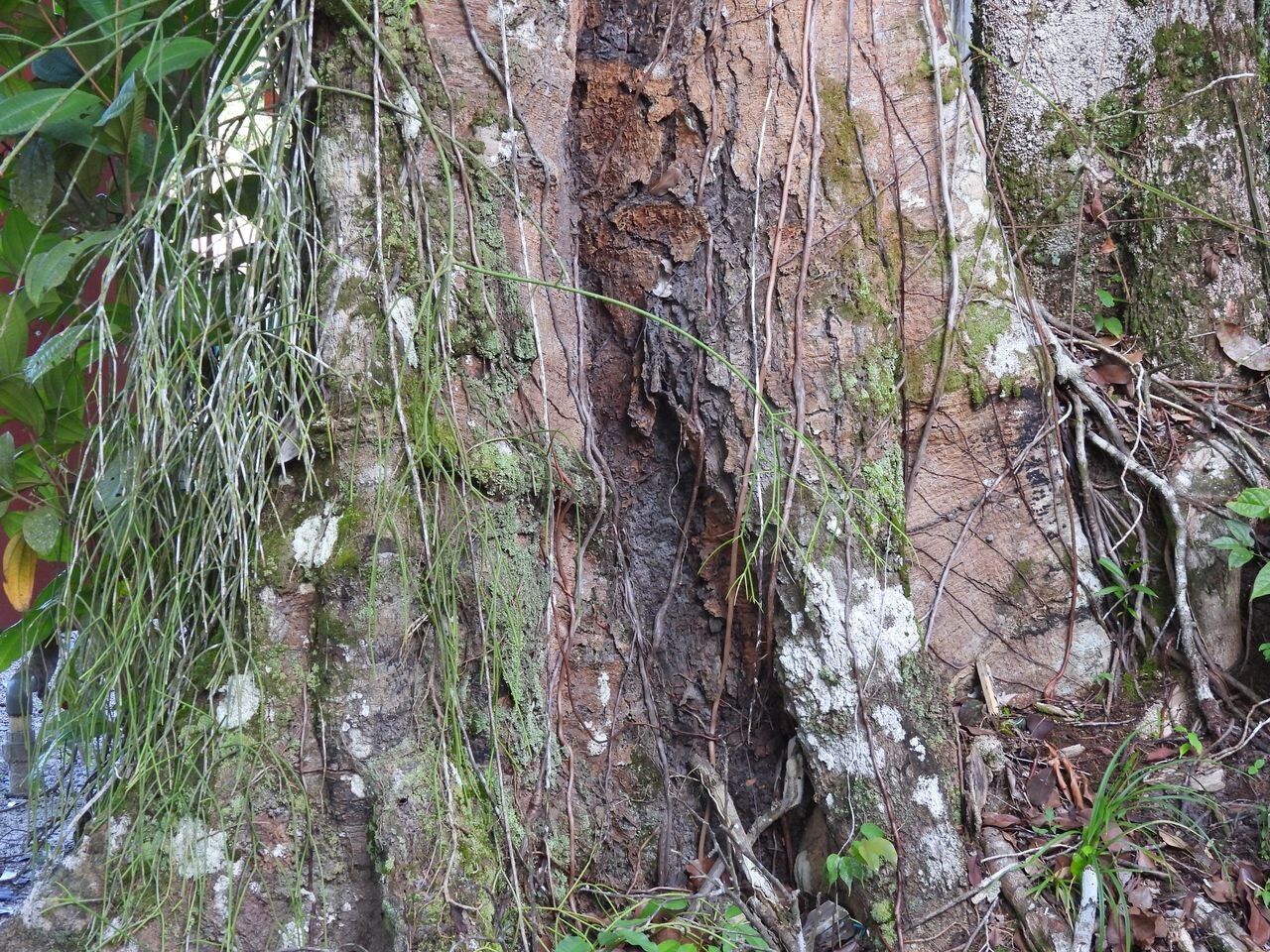
Oh, the allure of Ormosia flava! If you’ve ever seen one of these beauties, with their delicate, pinnately compound leaves and sometimes subtle, fragrant blooms, then you know why gardeners fall head over heels for them. They bring such an elegant, almost tropical feel to a space, and there’s something incredibly satisfying about bringing a new plant to life from a simple cutting. Now, for the big question: is it easy to propagate? I’d say Ormosia flava is a moderately challenging plant for beginners. It’s not impossible, not by a long shot, but it does appreciate a little extra attention and patience. But oh, the reward when you succeed!
The Best Time to Start
For Ormosia flava, you’ll find the late spring to early summer to be your sweet spot. This is when the plant is in its most vigorous growth phase. Young, tender shoots that are firm but not yet woody are the ones you want to aim for. Think of it as catching them at their peak energy, ready to put on a growth spurt and, hopefully, put down some roots. Starting earlier in spring can work, but sometimes the stems are just too soft. Waiting too long into fall means the plant is slowing down, and your cuttings will struggle to find the energy to get established before cooler weather arrives.
Supplies You’ll Need
Gathering your supplies beforehand makes the whole process much smoother. Here’s what I usually have on hand:
- Sharp, clean pruning shears or a craft knife: For making precise cuts.
- Rooting hormone powder or gel: This is a lifesaver for many trickier propagations.
- Well-draining potting mix: I often use a blend of equal parts perlite and peat moss, or a specialized seedling mix.
- Small pots or propagation trays: Clean ones, of course!
- Plastic bags or mini propagation domes: To create a humid environment.
- Water: For moistening the soil and, in some cases, for water propagation.
- A clean workspace: Always a good idea to prevent spreading any potential nasties.
Propagation Methods
While Ormosia flava can be a bit finicky, stem cuttings have been my most reliable method.
Stem Cuttings:
- Select your parent plant: Look for a healthy, actively growing Ormosia flava. You want to take cuttings from new growth that has started to mature slightly – it should snap cleanly when bent, not just flop over. These are often called “semi-hardwood” cuttings.
- Make the cut: Using your sharp, clean shears or knife, take a cutting that’s about 4-6 inches long. Make the cut just below a leaf node (where a leaf attaches to the stem). This is where a lot of the magic happens for root formation.
- Prepare the cutting: Gently remove the lower leaves, leaving just a few at the top. If the leaves are large, I sometimes even cut them in half horizontally to reduce water loss through transpiration.
- Apply rooting hormone: Dip the cut end of the stem into your rooting hormone. Tap off any excess.
- Plant the cutting: Make a small hole in your prepared potting mix with a pencil or your finger. Insert the cutting into the hole, ensuring the leaf nodes are below the soil surface. Gently firm the soil around the stem.
- Water and cover: Water the potting mix gently until it’s evenly moist but not soggy. Then, cover the pot with a plastic bag or place it inside a mini propagation dome to create a humid environment. If your pot fits into a larger clear plastic bag, that works too! Make sure the bag doesn’t droop onto the leaves.
- Find a spot: Place the pot in a warm location with bright, indirect light. Avoid direct sun, which can fry young cuttings.
The “Secret Sauce” (Pro Tips)
Here are a couple of things I’ve learned over the years that seem to make a difference with Ormosia flava:
- Bottom heat is your friend: Ormosia flava really seems to respond well to a little warmth from below. Using a seedling heat mat can significantly speed up the rooting process. It encourages root development even when the air temperature might not be quite as warm. Just make sure the mat is set to a gentle warmth, not hot.
- The “Sacrificial Leaf” Trick: Sometimes, when you have a cutting with larger leaves, you might feel tempted to remove them all. However, leaving one or two smaller leaves (or even just half of a larger leaf) to perform photosynthesis provides the cutting with energy. If the plant uses that leaf entirely, it’s a sign the cutting is failing. But if it hangs on, it’s a good indicator of success.
Aftercare & Troubleshooting
Once you start to see new leaf growth or gently tug on your cutting and feel resistance (meaning roots are forming!), you’re in the home stretch.
- Gradual Acclimation: Start by slowly increasing ventilation. Open the plastic bag for a few hours each day, or lift the dome for a bit. This helps the new plant adjust to the ambient humidity and prevents them from going into shock when you eventually remove the cover altogether.
- Continue watering: Keep the soil consistently moist but not waterlogged. Overwatering is the quickest way to invite root rot, which is probably the most common problem. You’ll see the stem turn mushy and dark, and the leaves will wilt and die.
- Watch for wilting: If your cutting wilts dramatically and its leaves turn yellow or brown, it might not be getting enough moisture, or it could be succumbing to rot. Check the soil – if it’s bone dry, give it a water. If it’s soggy, you’ve got a rot issue, and sadly, it might be time to start again. Don’t be discouraged if you lose a few along the way.
So there you have it! Propagating Ormosia flava can feel a bit like a delicate dance, but the satisfaction of watching those tiny roots emerge and that new growth unfurl is truly special. Be patient with yourself and with your little plant babies. Enjoy the process, and before you know it, you’ll have more of these gorgeous Ormosia flava to share or to fill your own green spaces. Happy propagating!
Resource:
https://identify.plantnet.org/k-world-flora/species/Ormosia%20flava%20(Ducke)%20Rudd/data