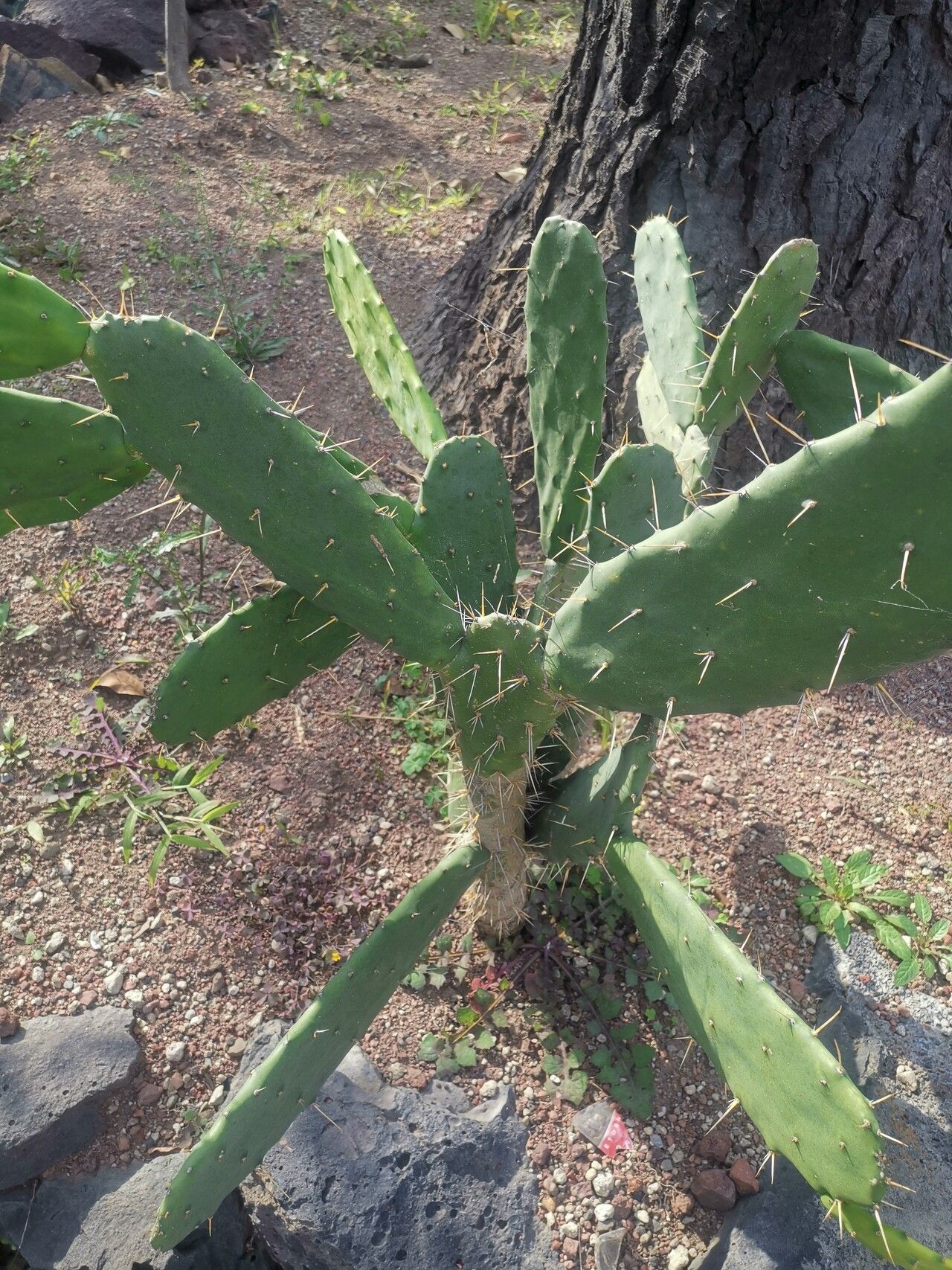
Oh, I’m so glad you’re interested in propagating Opuntia dejecta! It’s a wonderfully charming cactus, and frankly, watching a little piece of your existing plant grow into something new is just pure magic. Think of it as creating your own little cactus family. This particular prickly pear is pretty forgiving, which is fantastic news for anyone just dipping their toes into propagation. You’ll find it’s a really rewarding endeavor.
When the Cuttings Call: The Best Time to Start
For the best results, I always recommend propagating Opuntia dejecta during its active growing season. This typically falls in late spring through summer. You’ll notice the plant is plump, healthy, and actively producing new pads. You can even propagate from pads that have just finished growing. Starting when the plant is already putting on new growth means it has plenty of energy to dedicate to rooting. Avoid propagating during the cooler, dormant months; your efforts might just fall flat.
What You’ll Need in Your Propagation Toolkit
Gathering the right supplies makes a world of difference. Don’t worry, it’s not a huge list!
- Sharp, clean pruning shears or a sharp knife: You want a clean cut to prevent disease.
- Well-draining potting mix: A cactus or succulent mix is ideal. I often mix in extra perlite or pumice for even better drainage.
- Rooting hormone (optional but recommended): This can give your cuttings a helpful boost.
- A shallow tray or pot with drainage holes: For starting your cuttings.
- Gloves: Unless you have rhinoceros skin, these pads can be just as pokey as their larger cousins!
- A small trowel or even a sturdy chopstick: For making planting holes.
- A watering can with a fine rose or a spray bottle: For gentle watering.
Bringing New Life: Propagation Methods
Opuntia dejecta is a champion of stem cuttings. It’s by far the easiest and most successful method, so let’s focus on that.
- Taking the Cutting: Gently twist or use your sharp shears to detach a healthy pad from the mother plant. Aim for a pad that’s at least a few inches long. You can even take a section of a pad if you prefer.
- Letting it Callus: This is a crucial step folks sometimes skip, and it’s often where things go wrong! Place your cut pad in a well-ventilated, dry spot out of direct sunlight for 3 to 7 days. The cut end needs to dry out and form a callus. This prevents rot when you plant it. You’ll see the cut end become dry and firm, almost like a scab.
- Prepping the Pot: Fill your chosen pot or tray with your well-draining cactus mix.
- Planting the Cutting: Make a hole in the soil using your chopstick or trowel, about an inch or so deep. If you’re using rooting hormone, dip the callused end of your cutting into it now, tapping off any excess.
- Inserting the Cutting: Gently place the callused end of the cutting into the pre-made hole. Firm the soil gently around the base to keep it upright. You might need to prop it up with a small pebble or two if it’s top-heavy.
- The Waiting Game: Now, resist the urge to water immediately! Place your newly planted cutting in a bright spot with indirect sunlight. Wait for about a week before giving it its first gentle watering.
My “Secret Sauce” for Success
After years of wrestling with stubborn cuttings, I’ve picked up a few tricks that seem to make all the difference:
- Don’t Drown It Early: Seriously, this is the biggest mistake most people make with succulents and cacti. They’re adapted to arid conditions. Overwatering at this stage, especially before roots form, invites rot. I usually wait a full week, sometimes ten days, after planting before the very first light watering.
- A Touch of Warmth: If you have the option, placing your potted cuttings on a gentle heat mat can seriously speed up root development. It mimics the warmth of the soil that the plant craves when it’s actively growing. Just don’t let it get too hot; barely warm to the touch is perfect.
Aftercare and When Things Go Sideways
Once you see signs of new growth, like tiny roots beginning to emerge from the bottom of your pot (you might carefully peek!), or even a small new pad forming, you can start watering a bit more regularly. Water only when the soil is completely dry. This might be every week or two, depending on your environment. Gradually introduce it to more direct sunlight as it strengthens.
What if things aren’t going as planned? The most common culprit is rot. If your cutting starts to look mushy, dark, or develops black spots, it’s probably too wet. If this happens, pull it out, trim away any rotted parts, let it callus again for a few days (maybe even longer), and try planting it in fresh, dry soil. Sometimes, if it’s just a little soft but not mushy, you can let it sit out for a longer period to dry out.
Happy Propagating, My Friend!
Propagating Opuntia dejecta is a beautiful way to connect with your plants and expand your collection. Be patient; nature works on its own timeline. Enjoy the process, celebrate every tiny sign of new life, and know that you’re doing great. Happy gardening!
Resource:
https://identify.plantnet.org/k-world-flora/species/Opuntia%20dejecta%20Salm-Dyck/data